 Other
Otherkasaya
Summary (tl;dr)
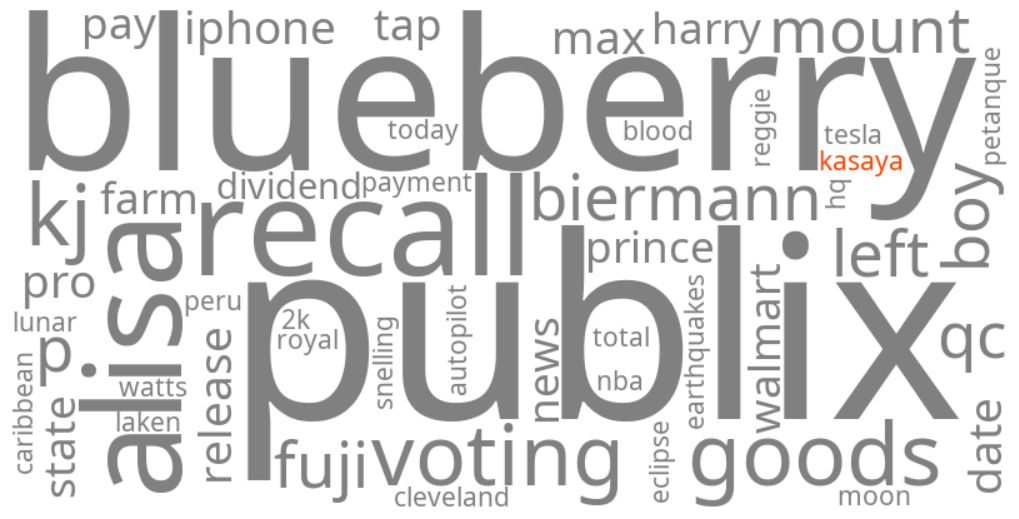
The term "kasaya" is trending due to recent developments surrounding a major 2021 ransomware attack on the IT management software company Kaseya (note the spelling difference), with new allegations of Russian government coercion and German authorities naming key suspects.
Essential Background
In July 2021, Kaseya, a Miami-based provider of IT and security management solutions, suffered a sophisticated supply chain ransomware attack targeting its VSA (Virtual System Administrator) software. The attack was perpetrated by the notorious REvil ransomware group, exploiting zero-day vulnerabilities in Kaseya's on-premises VSA product. This incident led to significant downtime for managed service providers (MSPs) and, consequently, thousands of their clients, including schools, businesses, and critical infrastructure across multiple countries. REvil initially demanded a $70 million ransom in Bitcoin for a universal decryptor, a price later reduced, though Kaseya ultimately stated it did not pay the ransom.
The Full Story
The keyword is trending as new information surfaces regarding the aftermath and ongoing investigations of the Kaseya ransomware attack. A hacker identified as Yaroslav Vasinskyi, a former affiliate of the REvil syndicate currently serving a sentence in a U.S. federal prison, recently alleged that he was coerced by the Russian government into participating in the Kaseya attack. These claims, unveiled at the DEFCON 33 event in Las Vegas in August 2025, suggest deeper state-sponsored connections within the REvil group.
Concurrently, German authorities have intensified their efforts to bring the perpetrators to justice. In April 2026, German police publicly identified two Russian nationals, Daniil Maksimovich Shchukin and Antoly Sergeevitsch Kravchuk, as alleged leaders of the GandCrab and REvil ransomware groups, believed to be behind the Kaseya attack. German investigators have released images of the suspects and are appealing to the public for assistance, although both individuals are thought to remain in Russia. These developments underscore the persistent international efforts to dismantle ransomware operations and hold those responsible accountable.
Why It Matters
This trend highlights the enduring impact of the 2021 Kaseya ransomware attack and the complex, often geopolitical, nature of cybercrime. The allegations of Russian government involvement, if substantiated, elevate the incident from a purely criminal act to one with significant national security implications, potentially leading to increased diplomatic tensions and cybersecurity measures. Furthermore, the ongoing pursuit by German authorities, including the public naming of suspects, demonstrates a continued global commitment to cybersecurity enforcement and deterrence against state-linked or state-tolerated hacking groups. For businesses, these revelations serve as a stark reminder of the persistent threat of supply chain attacks and the necessity of robust cybersecurity defenses and international cooperation to combat such threats.
Geographic Location
- Miami, Miami-Dade County, Florida, United States (Kaseya company headquarters)
- Federal Correctional Institution, Danbury, Connecticut, United States (Yaroslav Vasinskyi, alleged REvil hacker, serves sentence)
- Las Vegas, Clark County, Nevada, United States (DEFCON 33 event where hacker's allegations were unveiled)
- Germany (German authorities named REvil leaders suspected in Kaseya attack)
- Russia (Alleged government coercion of REvil hackers; suspects believed to be located there)