 Politics
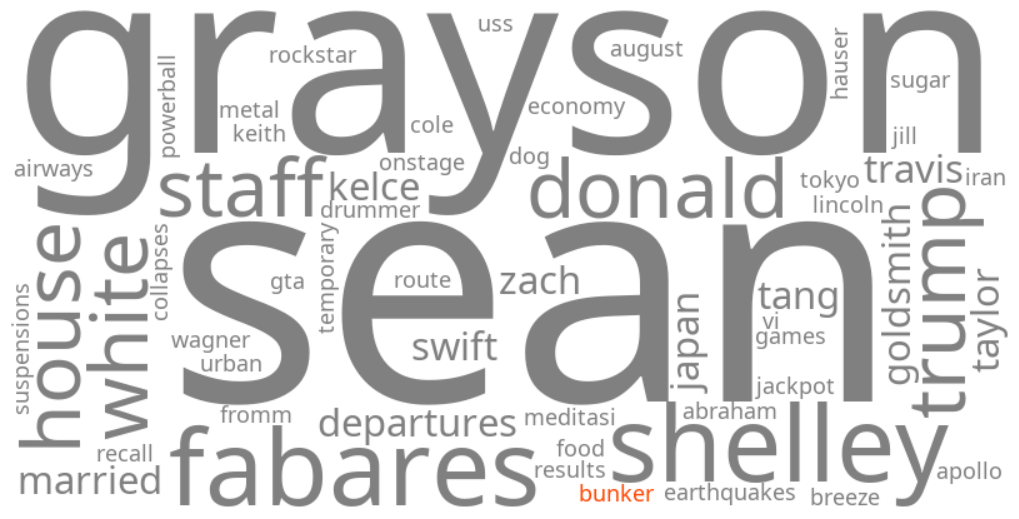
bunker
Summary (tl;dr)
A legal and political controversy surrounds President Trump's $600 million White House ballroom project, which the administration claims is a national security necessity for a new bunker, despite revelations that a nuclear-proof bunker already exists beneath the White House.
Essential Background
For decades, the White House has maintained secure facilities to ensure continuity of government during crises. The original Presidential Emergency Operations Center (PEOC) was constructed beneath the East Wing during World War II. Following the September 11th terrorist attacks, a more advanced, nuclear-blast resistant bunker was secretly built over 60 feet beneath the White House complex during the Barack Obama administration. This facility was designed to protect the president and top aides for weeks, equipped with independent air circulation and food supplies.
The Full Story
The keyword "bunker" is currently trending due to a legal and political dispute over President Donald Trump's proposed $600 million White House ballroom. The Trump administration asserts that the new ballroom, which includes a significant underground component, is a "desperately needed National Security structure" essential for presidential safety and governmental operation in the face of modern threats, including drone attacks.
However, this justification is being questioned following reports from former U.S. government officials confirming the existence of a highly protected, nuclear-proof bunker already located deep beneath the White House. This revelation has complicated the administration's defense in a lawsuit initiated in December 2025 by the National Trust for Historic Preservation, which seeks to halt the ballroom's construction due to a lack of congressional approval.
U.S. courts have consistently allowed the underground construction related to the bunker to proceed, acknowledging national security concerns, but have halted above-ground ballroom construction, with an appeals court upholding this decision on August 7. The Trump administration has since appealed to the Supreme Court, arguing that the ballroom and the underground military facility are "inextricably intertwined" and that pausing the work, which is reportedly 65% complete, jeopardizes national security.
Why It Matters
The trending of "bunker" underscores a significant debate concerning national security priorities, executive authority, and government accountability. The controversy highlights questions about transparency in major government projects and the appropriate use of national security as a justification for extensive public spending without clear congressional oversight. The existence of a pre-existing, secret, and robust bunker challenges the administration's primary argument for the new construction, drawing scrutiny from both the public and legal bodies. This legal battle also serves as an example of the checks and balances within the U.S. political system, as courts evaluate national security claims against laws intended to protect historic landmarks and ensure proper governance.
Geographic Location
- White House, Washington, D.C., District of Columbia, United States (construction of ballroom and bunker, location of existing bunker)
- U.S. District Court for the District of Columbia, Washington, D.C., District of Columbia, United States (legal proceedings halting above-ground construction)
- Supreme Court of the United States, Washington, D.C., District of Columbia, United States (appeal filed by Trump administration)