 Other
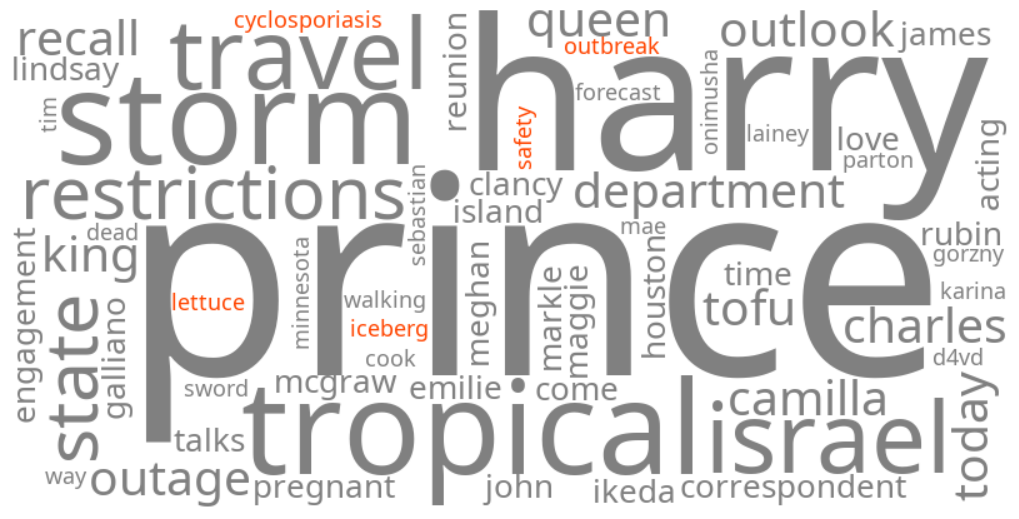
Othercyclosporiasis outbreak iceberg lettuce safety
Summary (tl;dr)
A significant cyclosporiasis outbreak, linked to iceberg lettuce from Taylor Farms de Mexico, has caused over 11,000 illnesses and two deaths across 20 U.S. states, prompting widespread concern and a product recall. While the implicated lettuce is now off the market, public searches reflect ongoing worries about lettuce safety.
Essential Background
Cyclosporiasis is an intestinal illness caused by the microscopic Cyclospora cayetanensis parasite, which is typically spread through consuming contaminated food or water. Symptoms often include watery diarrhea, stomach cramps, nausea, fatigue, and weight loss, and can range from mild to severe, lasting days to months if untreated. Outbreaks of cyclosporiasis in the U.S. tend to occur more frequently during late spring and summer.
The Full Story
An ongoing multistate outbreak of cyclosporiasis, which began in May 2026, has been epidemiologically and trace-back linked to processed iceberg lettuce sourced from Taylor Farms de Mexico. As of August 27, 2026, the outbreak has sickened 11,458 people, led to 495 hospitalizations, and resulted in two deaths in Michigan. Cases have been reported in 20 states across the U.S., with illnesses continuing to be added as state and local health officials conduct interviews.
Following the identification of the iceberg lettuce as the likely source, Taylor Farms de Mexico voluntarily recalled affected products on July 17, 2026, and ceased sourcing from the implicated region. The recalled products had "best-by" dates no later than August 3, 2026, and the U.S. Food and Drug Administration (FDA) has stated its confidence that all recalled lettuce is no longer available in stores or restaurants. While initial investigations connected illnesses to shredded iceberg lettuce served at specific Taco Bell locations in several states, the outbreak's scope broadened to include other exposures to Taylor Farms de Mexico's iceberg lettuce.
Why It Matters
The scale of this cyclospora outbreak, affecting thousands across numerous states and resulting in deaths, has understandably triggered widespread public concern about the safety of fresh produce, particularly lettuce. The trend in Google searches for "cyclosporiasis outbreak iceberg lettuce safety" and "is lettuce safe to eat now?" highlights a strong public desire for current information and reassurance regarding food safety. Food safety experts are now stating there is no known or documented reason for consumers to avoid lettuce broadly, given that the implicated product has been removed from commerce and reported cases significantly declined following the recall. However, this incident serves as a crucial reminder of the vulnerabilities in complex food supply chains and the importance of good food safety practices, such as thoroughly washing produce, even though the Cyclospora parasite is known to be resistant to typical washing and sanitizing methods.
Geographic Location
- Central Mexico, Mexico (source of contaminated iceberg lettuce from Taylor Farms de Mexico)
- Mexico (distribution of recalled products)
- Arkansas, United States (cyclosporiasis cases reported)
- Georgia, United States (cyclosporiasis cases reported)
- Iowa, United States (cyclosporiasis cases reported)
- Illinois, United States (cyclosporiasis cases reported)
- Indiana, United States (cyclosporiasis cases reported, including those linked to Taco Bell)
- Kansas, United States (cyclosporiasis cases reported)
- Kentucky, United States (cyclosporiasis cases reported, including those linked to Taco Bell)
- Maine, United States (cyclosporiasis cases reported)
- Massachusetts, United States (cyclosporiasis cases reported)
- Michigan, United States (cyclosporiasis cases reported, including those linked to Taco Bell; two deaths reported)
- Missouri, United States (cyclosporiasis cases reported)
- Nebraska, United States (cyclosporiasis cases reported)
- New Hampshire, United States (cyclosporiasis cases reported)
- North Carolina, United States (cyclosporiasis cases reported)
- Ohio, United States (cyclosporiasis cases reported, including those linked to Taco Bell)
- Oklahoma, United States (cyclosporiasis cases reported)
- Pennsylvania, United States (cyclosporiasis cases reported)
- Tennessee, United States (cyclosporiasis cases reported)
- Texas, United States (cyclosporiasis cases reported)
- West Virginia, United States (cyclosporiasis cases reported, including those linked to Taco Bell)