 Other
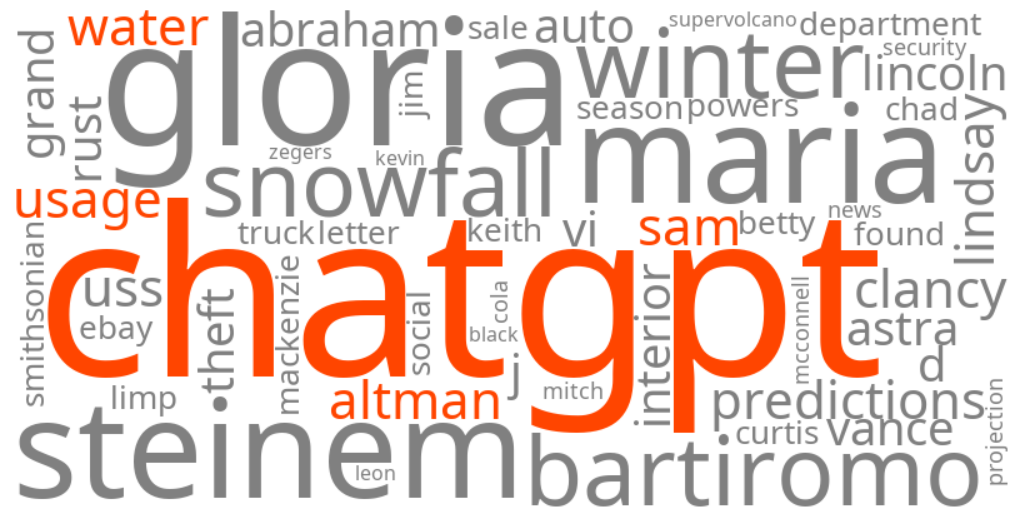
Othersam altman chatgpt water usage
Summary (tl;dr)
OpenAI CEO Sam Altman is currently trending for downplaying concerns about the significant water usage of AI data centers, specifically those powering ChatGPT, by comparing the water consumed by thousands of queries to that required to produce a single almond.
Essential Background
The rapid development and deployment of artificial intelligence, epitomized by large language models like ChatGPT, have intensified public and environmental scrutiny regarding the vast energy and water resources consumed by the data centers that support them. Historically, some data centers, particularly those relying on older evaporative cooling methods, have been reported to use millions of gallons of water, leading to localized concerns, especially in drought-affected regions. This situation has fostered a "meme," as Altman calls it, of exaggerated claims about the water consumption per ChatGPT query.
The Full Story
Sam Altman, CEO of OpenAI, recently addressed the debate surrounding ChatGPT's water footprint during an appearance on the Sources Podcast with Alex Heath. He stated that approximately 38,000 ChatGPT queries use the same amount of water as is required to produce one California almond, aiming to reframe the perceived environmental impact. Altman argued that modern data centers are significantly more water-efficient than often portrayed, consuming water amounts comparable to a typical office building. He dismissed widespread online claims about excessive water usage per query as "totally insane" and "no connection to reality," asserting that the issue has been disproportionately exaggerated without accounting for advancements in cooling technology. While acknowledging that the total energy consumption of AI is a legitimate concern, he differentiated it from the per-query water use. Despite Altman's reassurances, some reports suggest that the cumulative effect of billions of daily AI queries still translates into substantial water demands, with indirect water consumption for powering proposed data centers estimated in millions of gallons per day. Furthermore, a significant number of new U.S. AI data centers are being developed in drought-prone areas, and some existing facilities, like one in Fayette County, Georgia, have been documented using tens of millions of gallons of water over short periods.
Why It Matters
This trend is significant because it highlights the growing tension between rapid technological advancement in AI and increasing global concerns about resource scarcity, particularly water. Public and environmental opposition to the construction of new data centers is often rooted in worries about their environmental impact, with water consumption being a specific concern cited by many Americans. Providing accurate and transparent information about the resource footprint of AI infrastructure is crucial for fostering sustainable development practices and for addressing legitimate environmental challenges posed by the expanding AI industry.
Geographic Location
- California, United States (location where almonds, used in Altman's comparison, are grown; also a region where AI data centers contribute to water issues)
- Fayette County, Georgia, United States (location of a data center that used 29 million gallons over 15 months)
- Morgan County, Georgia, United States (location of a data center development allegedly causing neighbors' water to turn muddy)
- Effingham County, Georgia, United States (proposed site for an OpenAI data center with significant indirect water consumption for power generation)
- Virginia, United States (a hot spot for data centers, where a state government commission reported on water usage)