 Health
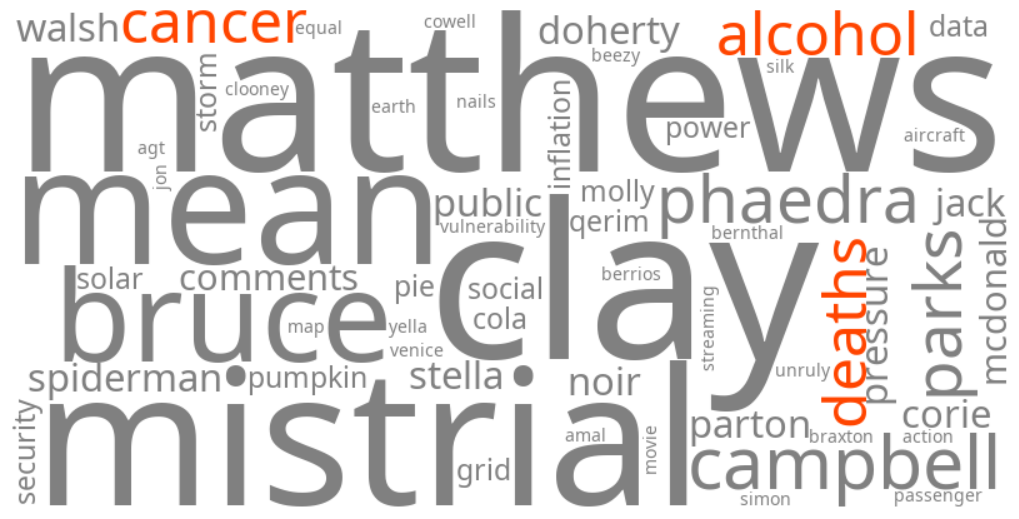
alcohol cancer deaths
Summary (tl;dr)
New research reveals that alcohol-attributable cancer deaths in the United States have more than doubled since 1990, driving increased public awareness and urgent calls for stronger public health warnings about the link between alcohol consumption and various cancers, particularly breast cancer in women.
Essential Background
For decades, the International Agency for Research on Cancer (IARC) has classified alcohol as a Group 1 carcinogen, placing it in the same risk category as tobacco and asbestos. Despite this long-standing scientific consensus, public awareness regarding alcohol's link to cancer has remained significantly lower than for other carcinogens like tobacco. Past public health efforts have largely focused on alcohol's impact on liver disease, often overlooking its broader carcinogenic effects.
The Full Story
The keywords "alcohol cancer deaths" and "alcohol and breast cancer" are trending due to a confluence of recent findings and public health advisories. A groundbreaking new study, led by researchers at the Sylvester Comprehensive Cancer Center at the University of Miami Miller School of Medicine, found that alcohol-attributable cancer deaths in the U.S. surged from approximately 11,361 in 1990 to 23,126 in 2023, representing a more than twofold increase. This research, presented at the 2025 American Society of Clinical Oncology Annual Meeting and published in The Lancet Regional Health—Americas, emphasizes alcohol as a significant and modifiable cancer risk factor.
The study highlighted that among women, breast cancer is the leading cause of alcohol-attributable cancer mortality. Additionally, liver and throat cancers are experiencing the fastest growth among alcohol-related cancers. This alarming data is reinforced by a recent advisory from the U.S. Surgeon General in early 2025, which reiterated the causal link between alcohol consumption and at least seven different types of cancer, including breast cancer, and advocated for cancer risk warning labels on alcoholic beverages. Public health organizations like the World Health Organization (WHO) and the Centers for Disease Control and Prevention (CDC) are also consistently underscoring that there is no safe level of alcohol consumption when it comes to cancer risk; even light to moderate drinking can increase susceptibility.
Why It Matters
These trends are significant because they expose a critical gap in public understanding and highlight an escalating public health crisis. The doubling of alcohol-attributable cancer deaths in the U.S. underscores the urgent need for more effective public awareness campaigns and policy changes, such as mandatory cancer warning labels on alcohol products, similar to those for tobacco. Increased awareness could empower individuals to make more informed choices about their alcohol consumption, potentially preventing thousands of cancer cases and deaths annually. The focus on breast cancer is particularly crucial, given its high incidence among women and the clear link to even modest alcohol intake. Addressing this issue could lead to substantial improvements in public health outcomes and reduce the overall burden of cancer.
Geographic Location
- Miami, Miami-Dade County, Florida, United States (Sylvester Comprehensive Cancer Center at the University of Miami Miller School of Medicine led new study on alcohol-attributable cancer deaths)
- San Antonio, Bexar County, Texas, United States (site of the 2025 San Antonio Breast Cancer Symposium, where updates on alcohol and breast cancer risk were shared)
- Boston, Suffolk County, Massachusetts, United States (Boston University, whose cancer epidemiologist spoke at SABCS)
- Washington, D.C., District of Columbia, United States (recorded highest alcohol-linked cancer death rate in 2021; U.S. Surgeon General issued an advisory)
- Oklahoma, United States (experienced sharpest increases in alcohol-related cancer deaths)
- Tennessee, United States (experienced sharpest increases in alcohol-related cancer deaths)
- West Virginia, United States (experienced sharpest increases in alcohol-related cancer deaths)
- New Hampshire, United States (had a high alcohol-linked cancer death rate in 2021)
- Maryland, United States (had a high alcohol-linked cancer death rate in 2021)
- Virginia, United States (alcohol-linked cancer death rate rose from 2000 to 2021)
- Utah, United States (had the lowest alcohol-attributable cancer mortality rates in 2023)