 Climate
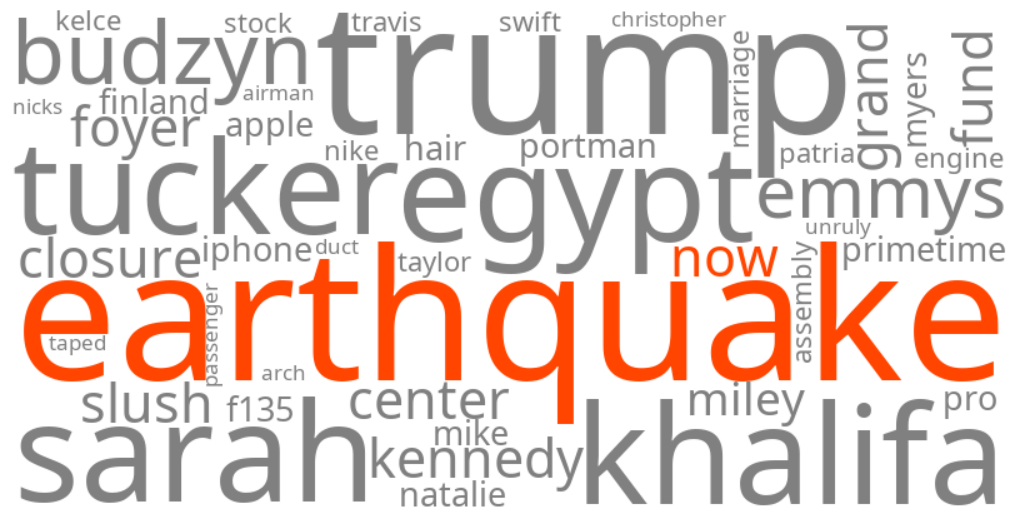
earthquake now
Summary (tl;dr)
Recent significant earthquakes in Alaska, Colombia, Venezuela, and Indonesia have led to a global surge in searches for "earthquake now," reflecting heightened public awareness and concern over seismic activity. While scientists note no unusual global increase in earthquake frequency, the cluster of recent powerful tremors has captured international attention.
Essential Background
Earthquakes are a natural part of Earth's geological processes, resulting from the movement of tectonic plates. The "Ring of Fire," a horseshoe-shaped belt around the Pacific Ocean, is particularly seismically active, accounting for approximately 90% of the world's earthquakes. While global seismic activity maintains a relatively constant long-term average, with about 15 major earthquakes (magnitude 7 or greater) expected annually, temporary increases or clusters in specific regions are a normal fluctuation. Advances in global communication and seismic monitoring also mean that news and reports of earthquakes are now more readily available and widely disseminated than ever before, contributing to increased public awareness.
The Full Story
The keyword "earthquake now" is trending due to a series of notable seismic events that have occurred in recent weeks. On September 3, 2026, a magnitude 6.3 earthquake struck southern Alaska near Nikolski in the Aleutian Islands, adding to a period of prominent global seismic activity. This Alaskan tremor follows a powerful magnitude 7.4 earthquake that hit western Colombia on August 10, 2026, with its epicenter near San Jose del Palmar in Chocó. Venezuela also experienced a significant seismic sequence in June 2026, including earthquakes of magnitude 7.2 and 7.5 along its northern coast, which were strongly felt around Caracas. Additionally, August 2026 saw a magnitude 7.7 tectonic earthquake off the north coast of Flores Island, Indonesia, displacing over 21,552 residents. In the United States, new calculations from the U.S. Geological Survey (USGS) have also indicated an increased probability, now 74%, of a major earthquake (magnitude 6.7 or greater) striking the San Francisco Bay Area in California within the next 30 years.
Why It Matters
The surge in "earthquake now" searches highlights public concern and interest following these recent, impactful events. While seismologists confirm that there's no evidence of a worldwide increase in overall seismic activity, the visibility of these recent clusters can create the impression that the planet is "shaking more". The heightened awareness is also fueled by improvements in communication technologies, which provide near-instant reports and images of earthquake impacts globally. For regions like Colombia and Venezuela, these recent earthquakes underscore the reality of living in active seismic zones, where major events can occur even after periods of calm. Furthermore, the increased probability of a major earthquake in the densely populated San Francisco Bay Area serves as a significant reminder of ongoing seismic risks and the importance of preparedness in earthquake-prone regions.
Geographic Location
- Nikolski, Aleutian Islands, Alaska, United States (magnitude 6.3 earthquake on September 3, 2026)
- San Jose del Palmar, Chocó Department, Colombia (magnitude 7.4 earthquake on August 10, 2026)
- Northern Coast, Venezuela (multiple powerful earthquakes in June 2026, including magnitude 7.2 and 7.5, felt strongly around Caracas)
- Flores Island, East Nusa Tenggara, Indonesia (magnitude 7.7 offshore earthquake in mid-August 2026, displacing over 21,000 residents)
- San Francisco Bay Area, California, United States (increased probability of a major earthquake in the next 30 years)