 Business and Finance
cattle
Summary (tl;dr)
The cattle market is currently experiencing significant volatility, driven by historically tight supplies, record-high prices, widespread drought conditions, and recent federal policy changes regarding beef imports.
Essential Background
For several years, the U.S. cattle herd has been contracting, reaching its lowest level in 75 years, leading to a period of exceptionally tight supplies. This scarcity has pushed farm-level cattle prices and wholesale beef values to historic highs, with retail beef prices also surging. This contraction is part of a cyclical trend, though the current herd rebuilding efforts are slower than in previous cycles, hindered by factors such as elevated input costs and an aging producer demographic.
The Full Story
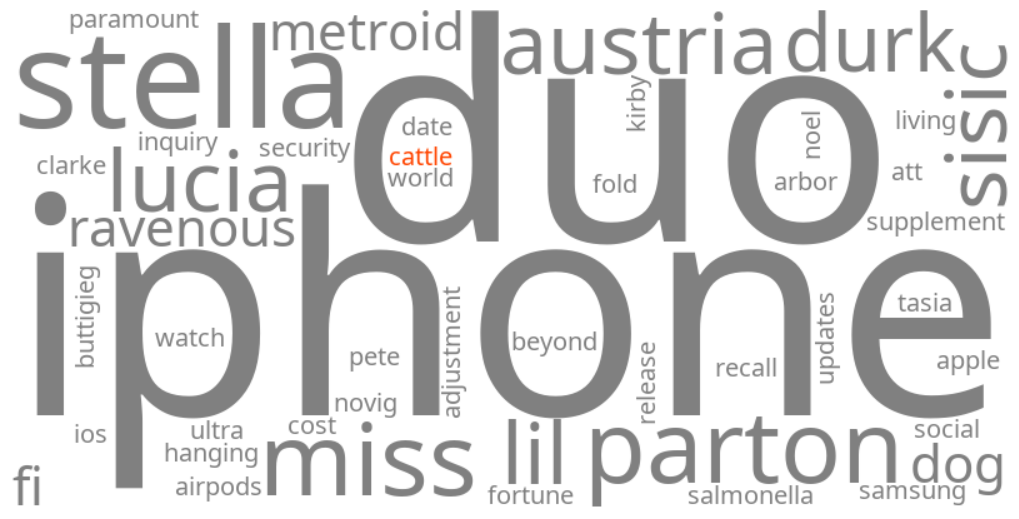
Currently, the "cattle" keyword is trending due to a confluence of factors creating turbulence in the business and finance sectors of the livestock industry. Cattle supplies remain historically tight, contributing to continued high prices for both live cattle and beef products. Widespread drought conditions across 60% of U.S. cattle inventory areas have worsened, impacting pasture quality and hay production, further stressing the already limited supply.
Adding to the market's complexity, the White House recently announced the waiving of a 26.4% tariff on 300,000 metric tons of foreign beef, an action intended to alleviate high consumer beef prices. However, this move has drawn criticism from U.S. cattle producers who argue it is causing them significant financial losses and uncertainty, with some calves selling at prices up to $400 below prior levels. Lawmakers are now moving to block this 90-day beef import plan. Meanwhile, the potential phased reopening of the Mexican border for feeder cattle imports in 2026 could introduce an additional 1.2 million head annually, significantly altering the supply landscape.
Why It Matters
The trending "cattle" searches reflect significant financial implications for various stakeholders. For consumers, the tight supply and high demand translate to elevated retail beef prices, which are projected to surge further throughout 2026. For cattle producers, while prices have been high, the recent tariff waivers on foreign beef and increasing input costs are introducing financial instability and reducing profitability. The overall volatility in cattle futures markets, influenced by geopolitical tensions and trade policies, affects investors and commodity traders. Furthermore, the slow pace of herd rebuilding and persistent drought conditions signal that supply challenges and their economic ripple effects are likely to continue for the foreseeable future.
Geographic Location
- Oklahoma City National Stockyards, Oklahoma, United States (record feeder steer prices)
- United States (nationwide tight cattle supplies, high beef prices, federal policy actions on imports, widespread drought affecting cattle inventory areas)
- Mexico (potential reopening of border for feeder cattle imports)
- Missouri, United States (expanding drought conditions affecting cattle producers)