 Business and Finance
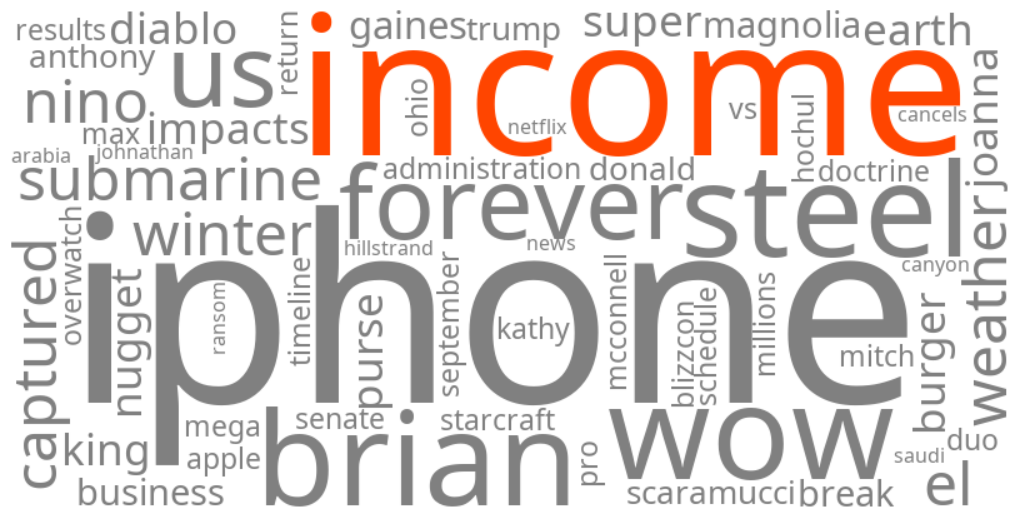
income
Summary (tl;dr)
The term "income" is trending as a global cost-of-living crisis intensifies, with persistent inflation eroding purchasing power and real wage growth failing to keep pace, particularly impacting households in the United States and emerging economies.
Essential Background
For several years, various economies worldwide have grappled with inflationary pressures, exacerbated by supply chain disruptions, government spending, and strong consumer demand. This led to a period where, despite nominal wage increases, the actual buying power of individuals remained stagnant or declined. Prior to the current situation, many households were already feeling the squeeze of rising costs for essentials like housing, food, and energy.
The Full Story
"Income" is currently a trending topic due to widespread concerns over a deepening cost-of-living crisis. Recent surveys indicate that a significant majority of Americans (87%) believe the U.S. is experiencing a full-blown cost-of-living crisis, with many struggling to meet basic expenses like rent and groceries. While nominal wages have seen some increases, real hourly earnings, adjusted for inflation, have continued to decline for much of the past year in the U.S., with a 0.3% decrease over the last 12 months. Forecasts for 2026 suggest that inflation will remain elevated, surpassing the Federal Reserve's 2% target, further eroding the value of current income. Globally, economic growth is projected to slow to 2.5 percent in 2026, with emerging market and developing economies (EMDEs) expected to face the weakest per capita income growth since the pandemic. This slowdown and renewed inflationary pressures are partly attributed to the ongoing conflict in the Middle East, which has driven sharp energy price increases.
Why It Matters
The trending interest in "income" underscores a critical challenge facing individuals and economies worldwide: the struggle to maintain living standards amidst rising costs. For many, stagnant real income means making difficult choices, with half of Americans reportedly struggling with basic bills and groceries. This situation can lead to increased household debt, reduced savings, and a decline in overall quality of life. Economically, the erosion of purchasing power can dampen consumer spending, a key driver of growth, and contribute to social and political instability as citizens feel increasingly squeezed. The uneven impact of these trends, particularly on vulnerable populations and emerging economies, highlights growing inequalities and the urgent need for policies that support sustainable income growth and affordability.
Geographic Location
- United States (widespread cost-of-living crisis and declining real wages)
- Global / Emerging Market and Developing Economies (slowed per capita income growth)
- Middle East (conflict contributing to energy price increases and global inflation)