 Business and Finance
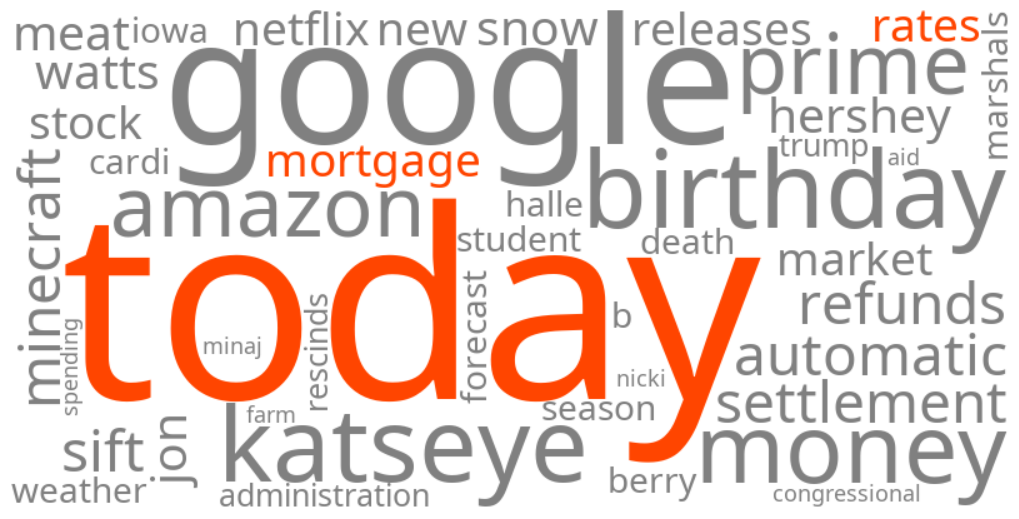
mortgage rates today
Summary (tl;dr)
Mortgage rates are trending upwards, with the 30-year fixed rate surpassing 7% for the first time in over a year, driven by the Federal Reserve's recent interest rate hike and persistent inflation.
Essential Background
Over the past several years, the global economy has grappled with elevated inflation, prompting central banks worldwide, including the U.S. Federal Reserve, to adjust monetary policies. After a period of aggressive rate hikes in 2022-2023 to curb soaring prices, the Federal Reserve implemented several rate cuts in 2024 and 2025 to stabilize the economy. However, inflation has remained stubbornly above the Fed's 2% target, complicated by resilient economic growth and geopolitical tensions that impact energy prices.
The Full Story
"Mortgage rates today" is a top trending search as the 30-year fixed mortgage rate recently climbed above 7%, reaching an average of 7.03% as of September 24, 2026. This marks a one-year high and the first time rates have surpassed 7% since January 2025, with some individual rates reaching as high as 7.23% or 7.40% for jumbo mortgages. The increase follows the Federal Reserve's unanimous decision on September 16, 2026, to raise the federal funds rate by 0.25 percentage points to a target range of 3.75%-4.00%, the first such hike in over three years. This action is a response to persistent inflation, which registered an annual rate of 3.4% in the U.S. for the 12 months ending August 2026, exceeding the Fed's target. The Fed's policy shift, alongside rising 10-year Treasury yields and investor concerns regarding ongoing inflation and geopolitical conflicts, has collectively exerted upward pressure on borrowing costs for homebuyers. Analysts and policymakers' projections suggest the possibility of at least one additional rate hike before the end of the year, indicating that mortgage rates may remain elevated.
Why It Matters
The surge in mortgage rates significantly impacts housing affordability, making homeownership more challenging for prospective buyers and increasing monthly payments for those looking to finance or refinance a home. This upward trend can lead to a slowdown in home sales and potentially affect the broader economy, as consumer spending on housing-related goods and services may decline. For many individuals, the current economic environment makes renting a more financially viable option compared to purchasing a home.
Geographic Location
- Washington, D.C., District of Columbia, United States (location of the Federal Reserve Board, which made the key interest rate decision on September 16, 2026, impacting mortgage rates)