 Politics
politico
Summary (tl;dr)
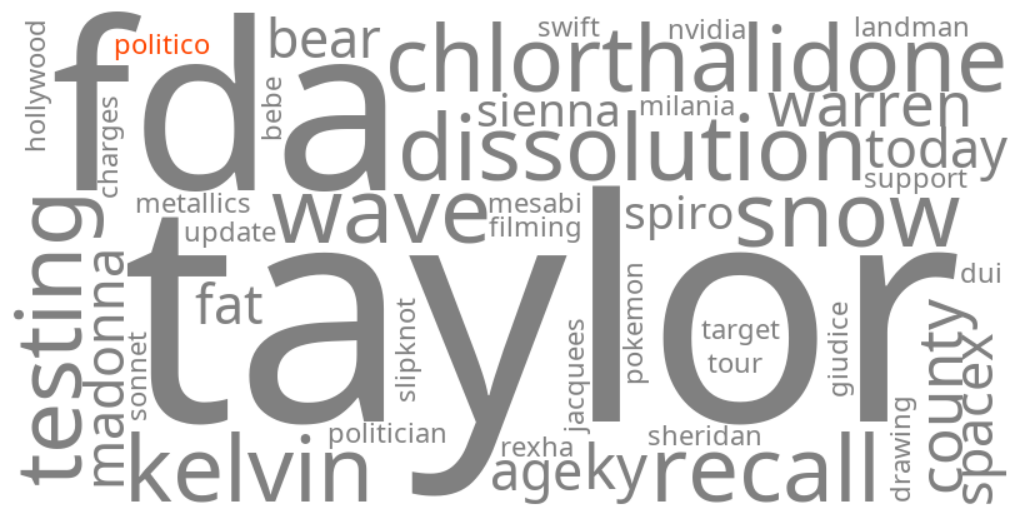
Politico and the broader category of politics are trending due to a confluence of significant events, including the ongoing U.S. midterm election campaigns, the Trump administration's recent ban of Politico and other news outlets from White House briefings, and critical international diplomatic meetings.
Essential Background
The political landscape in late 2026 is marked by the impending U.S. midterm elections on November 3, with all 435 House seats and 35 Senate seats being contested. Leading up to this, primary elections concluded on September 15. The Trump administration has recently been at odds with several media outlets, including Politico, leading to their exclusion from White House briefings. Internationally, tensions remain high regarding the war in Iran, and various European Union and United Nations meetings are addressing global challenges. The U.S. Supreme Court also recently made a significant ruling in April 2026 concerning the Voting Rights Act.
The Full Story
Politico and political topics are currently trending primarily because of President Trump's recent decision to ban Politico, along with CNN and MS NOW, from White House briefings, citing "fake news" and "misinformation." This move has sparked controversy and even lawsuits, with Vice President J.D. Vance defending the administration's action. The White House specifically accused Politico of violating professional standards by using anonymous sources from a press call and "trafficking in verifiable falsehoods about national security."
This domestic political tension coincides with a busy period for international relations. President Trump recently rejected an Iranian proposal to reopen the Strait of Hormuz and restart nuclear talks, causing oil prices to surge, though he expects talks to resume soon. Simultaneously, the Trump administration announced new fuel economy standards, relaxing regulations for gasoline-powered cars and light trucks.
In Europe, an informal meeting of EU Energy Ministers is taking place in Dublin, Ireland, on September 28-29, while the European Liberal Forum's Autumn General Assembly, including a "Stronger Europe for a Stronger NATO Conference," is being held in Brussels, Belgium. The United Nations General Assembly also convened a high-level meeting on pandemic prevention and preparedness on September 25 in New York, and the UN Security Council is addressing escalating tensions in the Middle East and the "dangerous new phase" of the war in Ukraine.
Why It Matters
The trending of "Politico" highlights growing concerns over press freedom and access to information in the United States, especially with the upcoming midterm elections where control of both the House and Senate is at stake. The White House's ban on prominent news organizations from briefings raises questions about transparency and the administration's relationship with the media. Meanwhile, President Trump's rejection of Iran's proposal and the resulting oil price hike underscore the continued global instability and its economic implications. The various international gatherings in Dublin, Brussels, and New York indicate a concerted effort to address pressing global issues, from energy policy and European security to pandemic preparedness and regional conflicts.
Geographic Location
- Washington, D.C., District of Columbia, United States (White House media ban, administration policy announcements)
- Dublin Castle, Dublin, Dublin City, Ireland (Informal meeting of EU Energy Ministers)
- European Parliament, Brussels, Belgium (Stronger Europe for a Stronger NATO Conference)
- United Nations Headquarters, New York, New York, United States (UN General Assembly High-level Meeting)
- Strait of Hormuz (rejection of Iran's proposal to reopen)
- Tehran, Iran (Iranian President Masoud Pezeshkian departed for Tehran after UN General Assembly)
- Louisiana, United States (Supreme Court ruling in Louisiana v. Callais)
- Yemen (Houthi rebels supported by Iran engaged in civil war)
- Saudi Arabia (U.S. ally targeted by Houthi drones)