 Law and Government
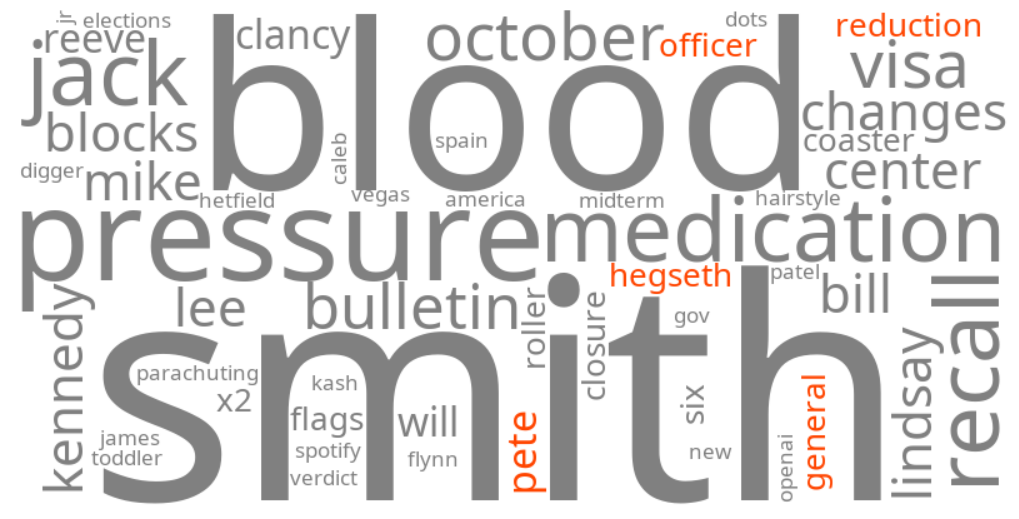
pete hegseth general officer reduction
Summary (tl;dr)
Defense Secretary Pete Hegseth is poised to announce a significant 20% reduction in the number of general and admiral positions within the U.S. military, intensifying a prior initiative to streamline senior leadership.
Essential Background
Defense Secretary Pete Hegseth has been actively working to reshape the Pentagon's leadership, having previously ordered a minimum 10% reduction in general and flag officer positions in May 2025, which included a 20% cut in active-duty four-star positions and National Guard general officers. This earlier directive was framed as an effort to eliminate "redundant force structure," optimize leadership, and shift resources from "bloated headquarters elements to our warfighters," a sentiment Hegseth encapsulated with the phrase "less generals, more GIs." Hegseth's tenure has also seen the firing or blocking of promotions for numerous senior officers, a move that has drawn criticism and raised concerns among lawmakers.
The Full Story
The keywords are trending as Defense Secretary Pete Hegseth is set to announce an expanded plan to cut 20% of positions designated for generals and admirals across the U.S. military. This new target doubles the 10% overall reduction he ordered last year. The announcement is anticipated during his "State of the Force address" on Wednesday at Marine Corps Base Quantico, Virginia, where he will outline his priorities for the military. The reductions, which apply to billets (designated positions) rather than an across-the-board removal of officers, are to be implemented by January 1, 2027, with some positions being downgraded rather than eliminated.
Why It Matters
This latest move by Secretary Hegseth signifies a substantial overhaul of the military's senior leadership structure, aiming to reduce bureaucracy and potentially reallocate resources to lower ranks. While proponents argue it will optimize leadership and improve efficiency, critics express concerns that these actions could politicize the military and lead to the ousting of leaders who may disagree with the current administration's approach. The ongoing restructuring, including previous firings and blocked promotions, has already generated unease within Congress and among national security experts, making the future direction and leadership of the U.S. military a significant point of discussion.
Geographic Location
- Marine Corps Base Quantico, Virginia, United States (location of the State of the Force address)
- The Pentagon, Arlington, Virginia, United States (headquarters of the Department of Defense, where the policy originates and affects senior military leadership)