 Business and Finance
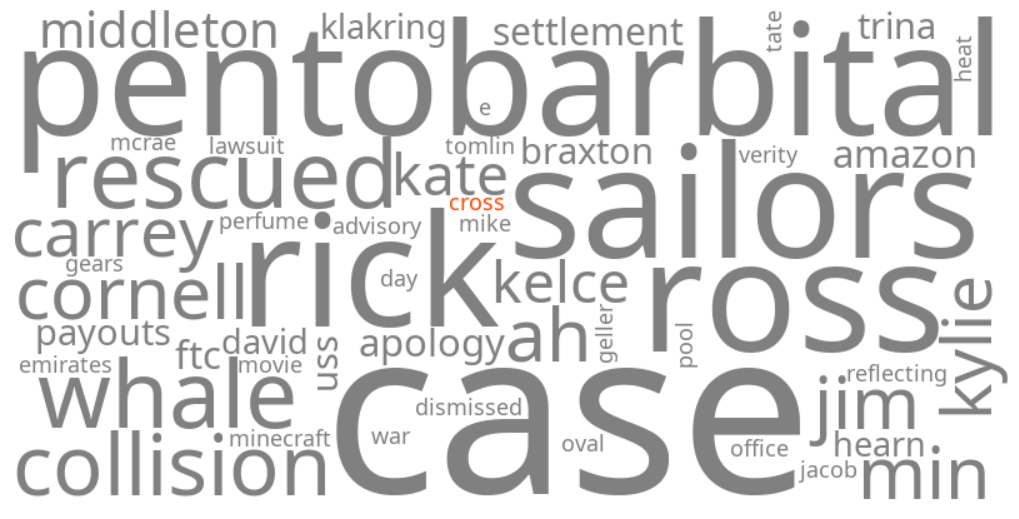
cross
Summary (tl;dr)
The "cross" keyword is trending in business and finance due to significant advancements and growing interest in cross-border payments, driven by the demand for faster, more transparent, and cost-effective international transactions, alongside the increasing integration of digital assets and artificial intelligence.
Essential Background
Historically, international financial transactions, known as cross-border payments, have been complex, often involving multiple intermediary banks, leading to high fees, slow settlement times, and a lack of transparency regarding exchange rates and final received amounts. These inefficiencies have been a long-standing challenge for businesses and individuals engaged in global trade and e-commerce.
The Full Story
The cross-border payments market is currently experiencing a rapid transformation and substantial growth, with its value projected to rise to $188.41 billion in 2026 and further to $263.41 billion by 2030. This surge is largely driven by a global push for modernization, integrating instant payment networks, real-time settlement rails, and advanced technologies such as artificial intelligence (AI) and digital assets like stablecoins.
Financial institutions are increasingly prioritizing cross-platform integration and leveraging AI for machine-initiated transactions, aiming to enhance the speed, security, and operational resilience of international money movement. Recent data from Visa indicates that approximately 17% of stablecoin-linked card volume for fiscal year 2026 is now processed through business and commercial card programs, highlighting their growing acceptance for corporate settlements and cross-border commerce. In a notable development, Absa Group has deepened its strategic alliance with Thunes to expand multicurrency clearing services across African markets, providing Absa clients with enhanced flexibility in foreign exchange and scalable liquidity.
Why It Matters
The accelerating evolution of cross-border payments is critical because it directly impacts global trade, e-commerce, and the operational efficiency of businesses worldwide, particularly for small and medium-sized enterprises (SMEs) expanding into international markets. Enhanced speed, transparency, and cost-efficiency in these transactions can unlock new market opportunities, improve cash flow management, mitigate financial risks, and strengthen relationships between businesses and their financial service providers. The increasing adoption of AI and stablecoins in this sector also signals a fundamental shift in the global financial landscape, establishing instant, intelligent, and always-on transactions as the new benchmark for international money movement.
Geographic Location
- Johannesburg, Gauteng, South Africa (Absa Group and Thunes deepen alliance for cross-border payments)
- Singapore (Thunes, a partner in Absa's cross-border payment expansion)
- San Francisco, San Francisco County, California, United States (Visa reports on stablecoin adoption in business payments)
- Miami, Miami-Dade County, Florida, United States (Visa reports on stablecoin adoption in business payments)