 Politics
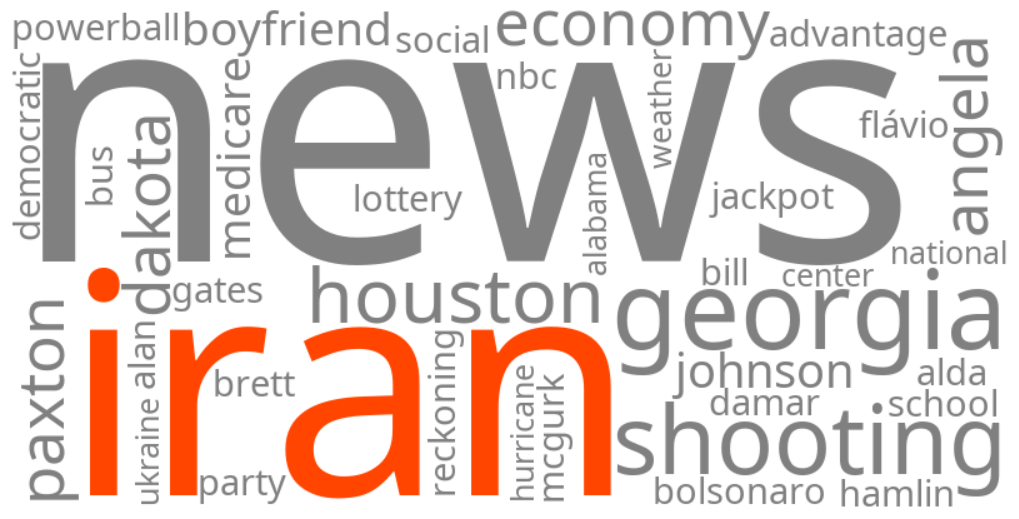
iran
Summary (tl;dr)
Iran is currently at the center of escalating international tensions due to its ongoing dispute with the United States over its nuclear program and control of the Strait of Hormuz, exacerbated by recent IAEA actions, continued domestic unrest, and military confrontations.
Essential Background
Tensions between Iran and the United States, alongside its allies, have been high for an extended period, leading to the expiration of the 2015 nuclear deal (JCPOA) in October 2025 and the subsequent re-imposition of sanctions. A significant escalation occurred on February 28, 2026, when the US and Israel launched airstrikes against Iran, initiating the 2026 Iran War, which included the assassination of Iran's Supreme Leader Ali Khamenei and other officials. This conflict was preceded by widespread anti-government protests across Iran beginning in December 2025, sparked by a severe economic crisis and government repression, which saw significant violence and internet blackouts. A temporary ceasefire in the war, mediated by Pakistan in April 2026, ultimately collapsed in July 2026, leading to a return of military operations and increased economic pressure from the US, including a naval blockade.
The Full Story
As of early October 2026, the political landscape surrounding Iran remains highly volatile. The International Atomic Energy Agency (IAEA) Board of Governors voted on September 9, 2026, to report Iran to the UN Security Council for failing to comply with its safeguards obligations, particularly concerning access to certain nuclear sites and materials after earlier strikes on its nuclear program. Iran has condemned this resolution and cited US and Israeli military strikes as reasons for not granting full access.
Concurrently, diplomatic efforts to resolve the ongoing conflict and nuclear issues appear to be at an impasse. Iran is reviewing a seven-day proposal from the US regarding a potential agreement, but Iranian officials have offered differing views on the necessity of further negotiations. A key point of contention remains Iran's attempts to blockade the Strait of Hormuz, a crucial global oil and gas shipping route. On October 4, 2026, explosions were reported near a tanker in the Gulf of Aden, and in the Strait of Hormuz itself, possibly linked to Iran firing at "offending ships". Amidst these events, Iran's Oil Minister, Mohsen Paknejad, resigned, and Hamid Bovard was appointed as his replacement. Domestic unrest also persists, with student protests reported at Tehran's Allameh Tabataba'i University in late September over educational costs, security restrictions, and compulsory hijab.
Why It Matters
The trending keyword "Iran" reflects deep international concern over potential military escalation and the stability of global energy markets. The IAEA's referral of Iran to the UN Security Council highlights the international community's alarm over Iran's nuclear program and its refusal to cooperate fully with inspectors, raising fears of nuclear proliferation in the region. The ongoing naval tensions and reported attacks in the Strait of Hormuz directly threaten global oil supplies and international maritime trade, potentially leading to significant economic repercussions worldwide.
The stalled negotiations between Iran and the US, coupled with President Trump's strong rhetoric and increased economic pressure, suggest a prolonged period of instability. Domestically, the persistent protests underscore widespread public discontent with economic conditions and government policies, which could further destabilize the country. The situation also carries broader implications for regional security, with various actors closely monitoring developments and expressing concerns about a wider conflict in the Middle East.
Geographic Location
- Tehran, Tehran Province, Iran (Assassination of Supreme Leader Ali Khamenei, location of protests, government activities, and oil minister's resignation)
- Strait of Hormuz (Site of Iranian blockade attempts, attacks on commercial vessels, and ongoing naval tensions)
- Vienna, Austria (Location of IAEA headquarters and where the Board of Governors voted to report Iran to the UN Security Council)
- New York City, New York, United States (Location of UN General Assembly and Security Council meetings discussing Iran's nuclear program and regional actions)
- Washington, D.C., District of Columbia, United States (Center for US policy, sanctions, and diplomatic efforts concerning Iran)
- Islamabad, Punjab Province, Pakistan (Mediated a temporary ceasefire between the US and Iran in April 2026, and subsequent failed talks)
- Gulf of Aden (Location of reported explosions near a tanker)