 Climate
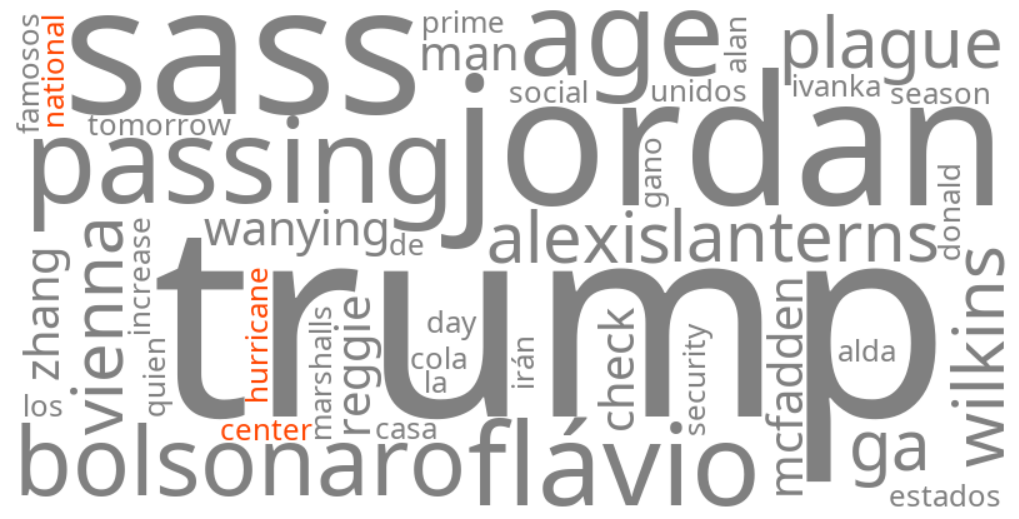
national hurricane center
Summary (tl;dr)
The National Hurricane Center (NHC) is trending due to its monitoring of active hurricane systems in the Pacific and a developing low-pressure system in the Gulf of Mexico, contrasting with a remarkably quiet Atlantic hurricane season influenced by El Niño.
Essential Background
The National Hurricane Center (NHC) is a division of the U.S. National Weather Service responsible for tracking and predicting tropical weather systems in the Atlantic and Eastern Pacific basins. The Atlantic hurricane season officially runs from June 1 to November 30. During this period, coastal populations and marine interests rely on NHC advisories for critical information regarding tropical storms and hurricanes. The current 2026 Atlantic hurricane season has been notably subdued, with no hurricanes forming by early October, a significant departure from historical averages. This reduced activity in the Atlantic is primarily attributed to a strengthening El Niño phenomenon, which typically suppresses hurricane formation in this basin while potentially boosting activity in the Pacific.
The Full Story
As of October 5, 2026, the National Hurricane Center is actively tracking tropical systems across various basins. In the Eastern Pacific, Hurricane Rachel continues to move over open waters west-southwest of the Baja California Peninsula. Furthermore, Hurricane Nolo, which was a powerful storm in the Central Pacific, has crossed the International Date Line, transitioning into a typhoon as advisory responsibility shifts to the Western Pacific region. While the Atlantic basin remains unusually quiet for this time of year, with no hurricanes having formed so far, the NHC is monitoring a broad area of low pressure in the southwestern Gulf of Mexico. This system has a 40% chance of slow development over the next seven days and could potentially become Tropical Storm Isaias. The NHC issues regular Tropical Weather Outlooks and advisories to keep the public informed about these developments.
Why It Matters
The trending interest in the National Hurricane Center highlights the ongoing concern and public reliance on accurate hurricane forecasting. Even in a quiet Atlantic season, the potential for tropical development in the Gulf of Mexico necessitates vigilance for communities along the U.S. Gulf Coast. The active Pacific season means that those with interests in areas like the Baja California Peninsula and the Central Pacific are closely monitoring NHC updates for potential impacts from storms like Rachel and Nolo. Understanding the influence of climate phenomena like El Niño on hurricane patterns is also crucial for long-term preparedness and risk assessment for vulnerable regions.
Geographic Location
- Miami, Miami-Dade County, Florida, United States (location of the National Hurricane Center)
- Southwestern Gulf of Mexico (area of potential tropical development)
- Baja California Peninsula, Mexico (affected by swells from Hurricane Rachel)
- Eastern Pacific Ocean (basin where Hurricane Rachel is active)
- Central Pacific Ocean (basin where Hurricane Nolo was active)
- Papahānaumokuākea Marine National Monument, United States (affected by swells from Hurricane Nolo)