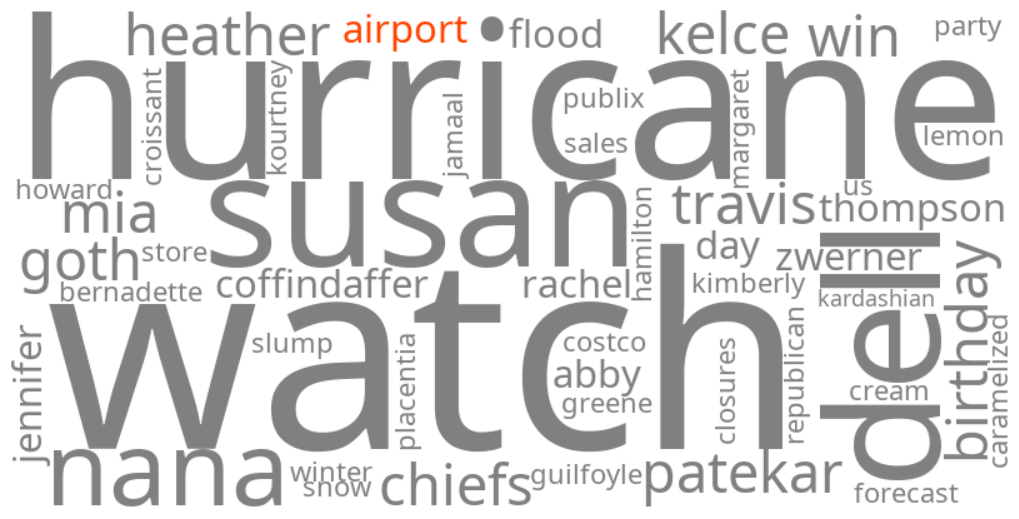
 Other
airport
Summary (tl;dr)
"Airport" is trending due to significant flight disruptions across the United States caused by severe weather and ongoing operational issues, alongside widespread airport and air traffic control strikes impacting European travel. Recent cyberattacks targeting aviation infrastructure are also contributing to concerns over global air travel stability.
Essential Background
Airports are vital global connectors, operating complex systems for air traffic control, passenger services, and logistics. The efficiency of air travel is highly susceptible to external factors like severe weather, technical malfunctions, and labor disputes. Historically, such events have led to cascading disruptions, impacting thousands of flights and millions of travelers. Recent incidents, including a September 21st air traffic control equipment outage on the U.S. East Coast, underscore the fragility of these interconnected systems.
The Full Story
The keyword "airport" is actively trending amidst a period of widespread global air travel turmoil. In the United States, severe thunderstorms on October 1st, 2026, initiated mass cancellations and delays at major hubs like Dallas/Fort Worth International Airport (DFW) and Dallas Love Field (DAL), with DFW experiencing the most cancellations globally on that day. These initial weather-related issues have cascaded into ongoing operational challenges, including crew scheduling problems and congested air traffic control, leading to thousands of flight delays and hundreds of cancellations across the nation, impacting key airports such as Pensacola, Detroit Metro, and Chicago O'Hare throughout early October. On October 5th, the U.S. aviation system faced a "dual-factor catastrophe" with over 6,700 delays and 745 cancellations attributed to both the lingering Texas weather recovery and new operational issues, affecting over a million passengers nationwide.
Concurrently, European travelers are facing disruptions due to ongoing airport and air traffic control strikes in countries including Italy, Spain, France, Portugal, and Belgium, with Brussels Charleroi Airport alone recording numerous flight cancellations since mid-September. Adding to the turbulence are recent cybersecurity concerns, including a ransomware attack discovered in September 2026 on South Africa's air navigation provider affecting aviation weather services, and a claimed breach of Flydubai on October 6th, allegedly exfiltrating sensitive operational data. These events highlight the increasing vulnerabilities of critical aviation infrastructure to both natural and malicious disruptions.
Why It Matters
This trend signifies a critical period for global air travel, affecting millions of passengers and posing significant challenges for airlines and aviation authorities worldwide. For travelers, it translates into lost time, financial costs, and immense stress due to unexpected delays and cancellations. For the aviation industry, these disruptions result in substantial operational expenses, revenue losses, and potential damage to reputation. The surge in cyberattacks against aviation infrastructure, from air traffic control systems to airline data, raises serious security concerns and underscores the urgent need for enhanced digital resilience in a sector critical to global commerce and connectivity. These events collectively expose the interconnectedness and vulnerability of the modern air travel ecosystem, prompting calls for improved weather forecasting integration, labor dispute resolution, and robust cybersecurity measures.
Geographic Location
- Dallas/Fort Worth International Airport, Tarrant County, Texas, United States (mass flight cancellations and delays due to severe thunderstorms and operational issues)
- Dallas Love Field, Dallas County, Texas, United States (flight disruptions due to severe thunderstorms)
- Pensacola International Airport, Escambia County, Florida, United States (widespread flight disruptions and cancellations)
- Detroit Metropolitan Wayne County Airport (Romulus), Wayne County, Michigan, United States (significant flight delays and cancellations)
- Chicago O'Hare International Airport, Cook County, Illinois, United States (secondary wave of flight delays and cancellations)
- Brussels Charleroi Airport, Charleroi, Hainaut, Belgium (airport strikes causing flight cancellations)
- Italy (ongoing airport and air traffic control strikes)
- Spain (ongoing airport and air traffic control strikes)
- France (ongoing airport and air traffic control strikes)
- Portugal (ongoing airport and air traffic control strikes)
- Port Elizabeth Airport, Eastern Cape, South Africa (operational technology network affected by ransomware attack)
- Maputo International Airport, Maputo, Mozambique (possible insider cyber theft)