 Politics
sedition
Summary (tl;dr)
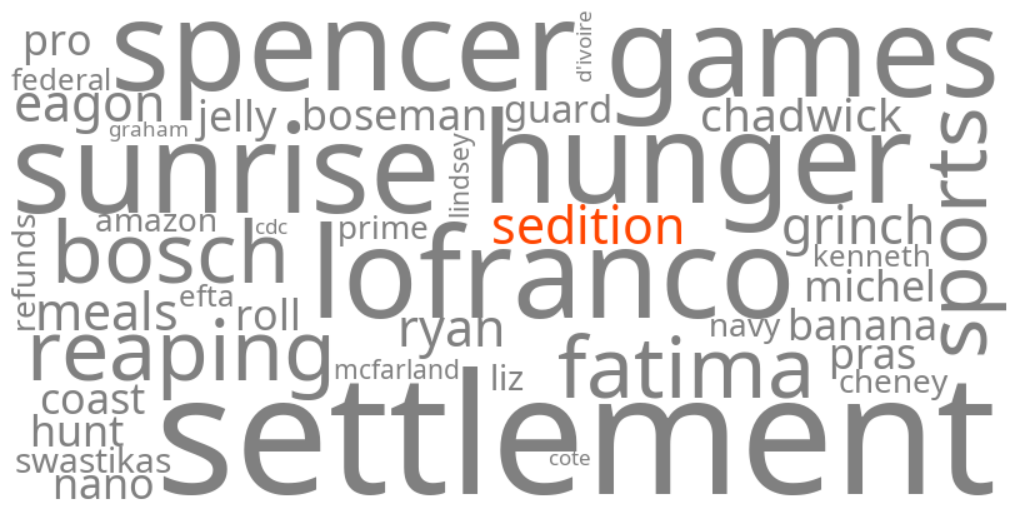
The term "sedition" is trending after former President Donald Trump publicly accused several Democratic lawmakers of "seditious behavior" and suggested they face trial and potentially the death penalty for a video encouraging military members to refuse "illegal orders."
Essential Background
Sedition, in U.S. law, generally refers to acts or speech aimed at inciting rebellion against lawful authority, with "seditious conspiracy" being a serious charge typically involving a plot to overthrow the government by force. For civilians, seditious conspiracy carries a maximum penalty of 20 years imprisonment, while for military personnel, sedition under the Uniform Code of Military Justice can include the death penalty. Historically, laws targeting seditious speech have been controversial due to clashes with First Amendment protections.
The Full Story
On November 18, a group of six Democratic members of Congress—Senators Elissa Slotkin (Michigan) and Mark Kelly (Arizona), and Representatives Jason Crow (Colorado), Chris Deluzio (Pennsylvania), Maggie Goodlander (New Hampshire), and Chrissy Houlahan (Pennsylvania)—released a video urging U.S. military and intelligence community members to uphold the Constitution and refuse any "illegal orders." All six lawmakers are military veterans or former intelligence officials.
In response, former President Donald Trump posted on his Truth Social platform, accusing these lawmakers of "seditious behavior" and calling for their arrest, trial, and suggesting the punishment could be "punishable by DEATH!" The White House later clarified that Trump does not want to see members of Congress executed. This incident has intensified political rhetoric, with Democratic leaders, including Senator Chris Murphy (Connecticut), condemning Trump's statements as dangerous and an incitement to violence. Fox News host Martha MacCallum also featured an interview with Representative Jason Crow regarding the video.
Why It Matters
This trend highlights a deeply polarized political climate, where accusations of serious crimes like sedition are being leveraged in public discourse. The former President's call for severe punishment, including the death penalty, for political opponents has been widely criticized by Democrats as inflammatory and potentially inciting violence. Legal experts generally dismiss the applicability of sedition charges to the lawmakers' video, emphasizing that military members have a duty to disobey unlawful orders. The debate underscores ongoing concerns about the weaponization of legal terms for political purposes and the potential impact on military chain of command and civil-military relations.
Geographic Location
- Washington, D.C., District of Columbia, United States (Source of former President Trump's Truth Social posts and White House press briefings, location of U.S. Congress members)
- Michigan, United States (Home state of Senator Elissa Slotkin, who posted the video)
- Arizona, United States (Home state of Senator Mark Kelly, featured in the video)
- Colorado, United States (Home state of Representative Jason Crow, featured in the video)
- New Hampshire, United States (Home state of Representative Maggie Goodlander, featured in the video)
- Pennsylvania, United States (Home state of Representatives Chris Deluzio and Chrissy Houlahan, featured in the video)
- Connecticut, United States (Home state of Senator Chris Murphy, who condemned Trump's remarks)