 Other
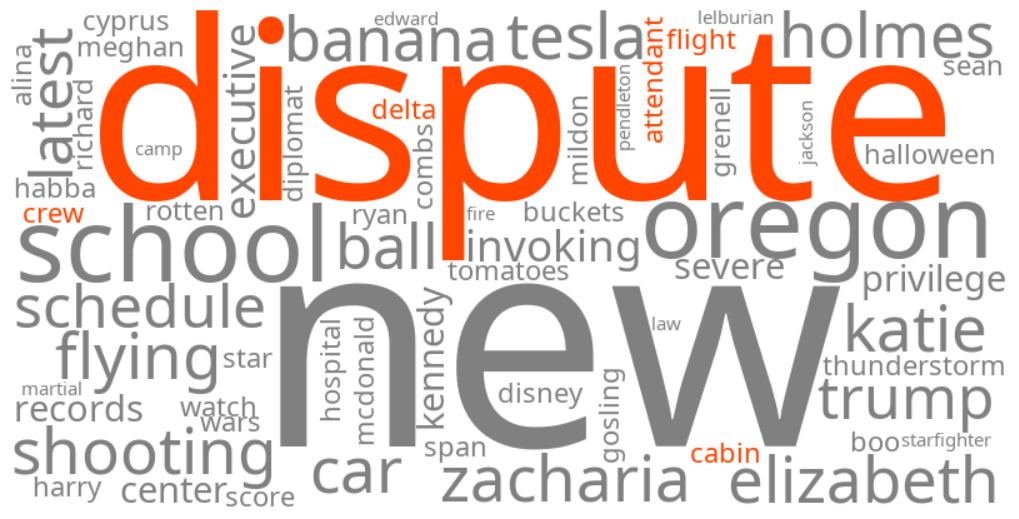
delta flight attendant cabin crew dispute
Summary (tl;dr)
Delta Air Lines' cabin crew is trending due to a recent in-flight conflict between flight attendants on a Delta Connection flight, alongside ongoing widespread efforts by flight attendants to unionize and allegations of Delta's anti-union activities.
Essential Background
Delta Air Lines is notably the only major U.S. airline where a significant portion of its workforce, including flight attendants, aircraft mechanics, and fleet service workers, are not unionized. For years, the Association of Flight Attendants-CWA (AFA-CWA) has been working to organize Delta's flight attendants, but these efforts have reportedly faced strong opposition from airline management. Delta has been accused of "union-busting" tactics, including sending threatening emails to employees, maintaining anti-union websites, and attempting to influence workers against union representation. The airline previously spent an estimated $38 million to oppose a flight attendant union campaign in 2010.
The Full Story
The keywords are trending due to a combination of factors. Most immediately, a Delta Connection flight (DL5090, operated by Endeavor Air) on Tuesday experienced an undisclosed "conflict" between cabin crew members during its approach to Detroit Metropolitan Wayne County Airport. The captain alerted ground control, stating that the flight attendants might need to be separated to prevent further escalation. In-flight management and supervisory staff were requested to meet the aircraft upon arrival. The exact nature of this particular dispute has not been revealed.
This incident unfolds amidst broader, long-standing tensions surrounding Delta's cabin crew, specifically their efforts to unionize. U.S. Senators and House Representatives have recently urged Delta CEO Ed Bastian to remain neutral in these organizing efforts, citing concerns about alleged interference, intimidation, and retaliation against flight attendants advocating for union representation. Union advocates argue that collective bargaining would provide better pay, working conditions, and job security, as seen with unionized flight attendants at other major airlines who have secured benefits like boarding pay and sit pay that Delta flight attendants currently lack. Delta maintains it supports employees' rights to decide on union representation and has a strict non-interference policy, while also highlighting the competitive compensation and benefits it offers to its non-unionized workforce.
Why It Matters
The trending disputes highlight significant issues within the airline industry concerning labor rights, employee welfare, and the potential impact on service quality and passenger experience. The recent in-flight incident, while its specifics remain unknown, underscores the pressures faced by cabin crew and can raise concerns about professionalism and operational smoothness. The ongoing unionization efforts at Delta reflect a broader national conversation about workers' rights and the power of collective bargaining in a major corporation. The outcome of these unionization efforts could set a precedent for labor relations across the airline industry and significantly alter the working lives and compensation packages for thousands of Delta employees.
Geographic Location
- Greenville-Spartanburg International Airport, Spartanburg County, South Carolina, United States (departure point of Delta Connection flight DL5090 with cabin crew conflict)
- Airspace en route from Greenville-Spartanburg to Detroit, United States (location where cabin crew conflict occurred on Delta Connection flight DL5090)
- Detroit Metropolitan Wayne County Airport, Wayne County, Michigan, United States (arrival point where ground control was alerted and staff met Delta Connection flight DL5090)
- Washington, D.C., District of Columbia, United States (location from which U.S. Senators and Representatives sent letters urging Delta to remain neutral in unionization efforts)