 Politics
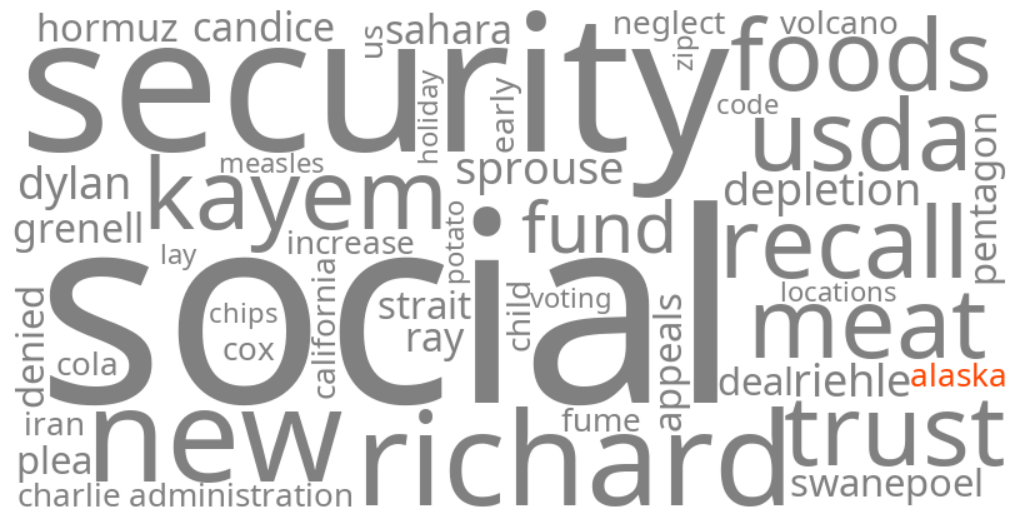
alaska
Summary (tl;dr)
"Alaska" is currently trending in politics due to a confluence of pre-election activities ahead of the November 3, 2026, general election, including high-profile debates for U.S. Senate and House seats, a campaign visit from former President Donald Trump, and critical ballot measures that could reshape the state's voting system.
Essential Background
Alaska employs a unique nonpartisan top-four primary system, where the leading four candidates, regardless of party affiliation, advance to a ranked-choice general election. This system has been a subject of ongoing debate, with a significant ballot initiative proposing its elimination in favor of a traditional party primary system. The state is preparing for a statewide general election where numerous federal and state positions will be decided.
The Full Story
Political interest in Alaska is surging as the November 3, 2026, general election draws near, making "alaska" a trending topic in political discussions. A key event was the U.S. Senate debate on October 15, 2026, in Anchorage, where incumbent Republican Dan Sullivan and Democratic challenger Mary Peltola engaged in a testy exchange over issues like the Iran war and rising consumer prices. On October 14, 2026, Republican Rep. Nick Begich and independent challenger Bill Hill also debated for Alaska's at-large U.S. House seat. Further intensifying the political climate, former President Donald Trump visited Wasilla on October 13, 2026, to campaign for Senator Sullivan and Representative Begich, underscoring the national Republican Party's focus on retaining control of Congress. This visit also triggered a formal complaint from the Democracy Defenders Fund and Reporters Without Borders, Inc. to the U.S. Office of Special Counsel, alleging potential Hatch Act violations by administration officials who spoke at the partisan rally. Additionally, voters across Alaska will consider three statewide ballot measures, including a prominent initiative to repeal the current top-four primary and ranked-choice voting system. Recent announcements from the Division of Elections also highlighted changes to mail delivery for absentee-in-person ballots in Region IV, rerouting them to Anchorage due to previous mail uncertainties in rural areas.
Why It Matters
The intense political activity in Alaska is drawing national attention because the outcomes of its U.S. Senate and House races could be pivotal in determining the balance of power in the U.S. Congress. The robust debates are crucial for voters to understand candidates' stances on critical issues, while former President Trump's direct involvement underscores the high stakes for both major parties. Furthermore, the ballot measure seeking to eliminate the top-four primary and ranked-choice voting system represents a significant moment for Alaska's electoral future, with the potential to fundamentally alter how future elections are conducted in the state. The complaint regarding potential Hatch Act violations also raises important questions about ethical conduct in federal campaigns.
Geographic Location
- Anchorage, Anchorage Borough, Alaska, United States (U.S. Senate debate between Sullivan and Peltola)
- Wasilla, Matanuska-Susitna Borough, Alaska, United States (Former President Trump's campaign rally)
- Alaska, United States (statewide general election, U.S. House debate, and consideration of statewide ballot measures)
- Region IV, Alaska, United States (mail delivery changes for absentee in-person ballots rerouted to Anchorage)
- Washington, D.C., District of Columbia, United States (complaint filed regarding potential Hatch Act violations at Alaska rally)