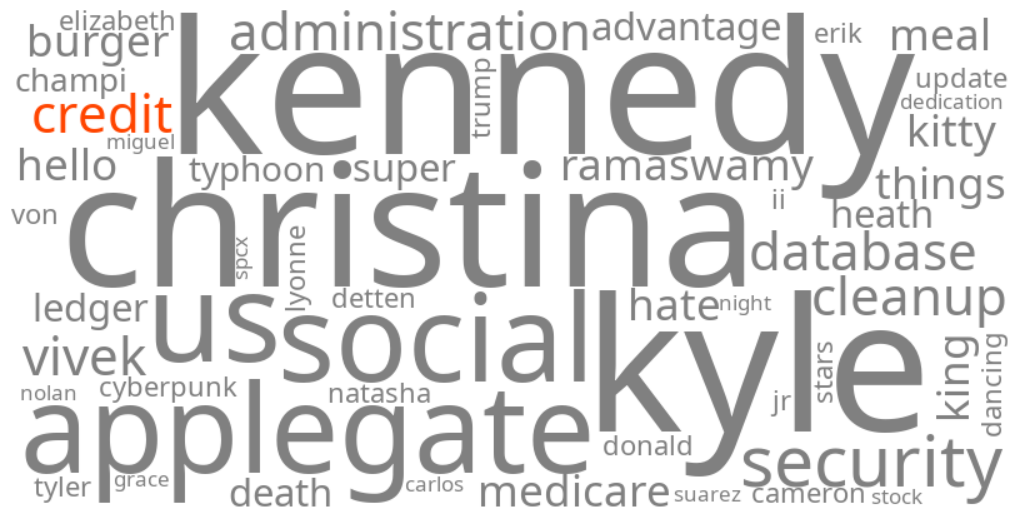
 Other
credit
Summary (tl;dr)
Searches for "credit" are trending as major central banks worldwide continue to raise or consider hiking interest rates to combat persistent inflation, leading to higher borrowing costs and impacting consumer debt levels.
Essential Background
For an extended period leading up to late 2026, global economies have grappled with elevated inflation, primarily driven by factors such as strong economic growth, high energy prices, and supply chain disruptions. In response, central banks around the world have been implementing contractionary monetary policies, most notably through successive increases in benchmark interest rates, to cool down economies and bring inflation back to target levels. This period of rising rates began to make credit more expensive, signaling a shift from a low-interest-rate environment.
The Full Story
The keyword "credit" is trending today as central banks, including the U.S. Federal Reserve and the European Central Bank (ECB), are continuing their efforts to manage persistent inflation, which is further fueled by rising energy prices and resilient economic momentum. For instance, the Federal Open Market Committee (FOMC) is scheduled to announce its latest interest rate decision on October 28, 2026, following a two-day meeting, with further increases expected from major central banks. This environment is making credit more expensive for both consumers and businesses. Data indicates that total U.S. consumer debt reached $18.45 trillion as of August 2026, reflecting a 3.0% year-over-year increase, with credit card and auto loan balances on the rise. While average FICO scores have seen a slight dip in 2026, and some consumers express concerns about debt payment sustainability, overall delinquency rates are showing signs of stabilization or slight improvement for some debt types. However, nearly two in five Americans anticipate needing to rely on credit to manage their expenses amidst ongoing inflationary pressures.
Why It Matters
The rising cost of credit has significant implications across the economy. For individuals, higher interest rates translate to more expensive mortgages, car loans, and credit card debt, potentially straining household budgets and affecting purchasing power. Businesses also face increased borrowing costs, which can impact investment, expansion plans, and overall economic growth. Furthermore, the interplay of increasing consumer debt and potential struggles with payment sustainability highlights concerns about financial resilience, making credit scores and financial health increasingly important for accessing favorable lending terms. The ongoing central bank decisions signal a continued period of tighter financial conditions, requiring consumers and businesses to carefully manage their credit and debt obligations.
Geographic Location
- Washington, D.C., District of Columbia, United States (Federal Open Market Committee (FOMC) meeting and interest rate decision)
- Frankfurt, Hesse, Germany (European Central Bank (ECB) interest rate decisions)
- Budapest, Hungary (Magyar Nemzeti Bank (MNB) interest rate decisions)