 Politics
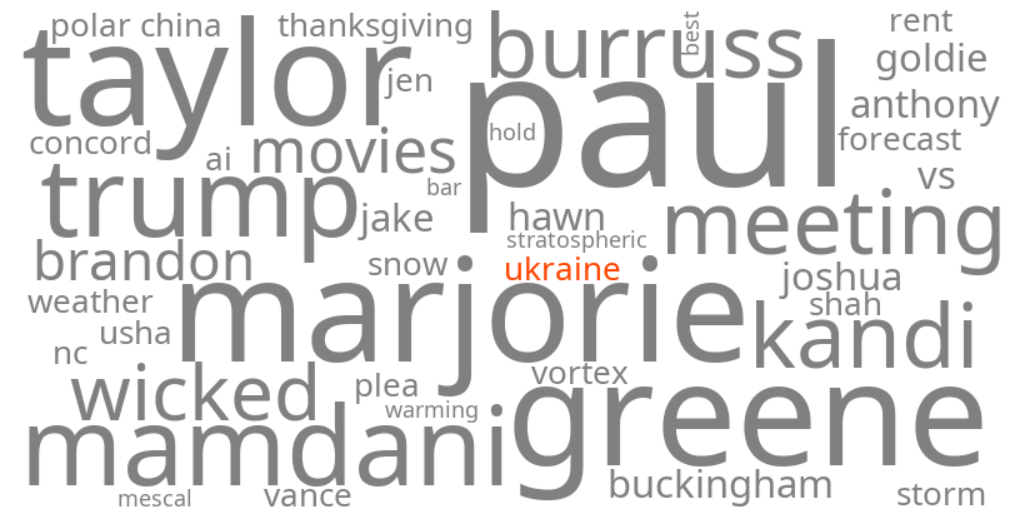
ukraine
Summary (tl;dr)
Ukraine faces immense pressure from the United States to accept a controversial peace plan with Russia by Thanksgiving, which involves significant territorial concessions and limitations on its military, leading to strong pushback from European allies and a difficult choice for Kyiv. Concurrently, European nations are debating the use of frozen Russian assets to provide crucial financial aid to Ukraine, while Russia issues threats of retaliation.
Essential Background
The conflict between Ukraine and Russia has been ongoing for nearly four years, resulting in substantial civilian casualties and widespread damage to Ukrainian infrastructure. The United States, under the Trump administration, has shifted its approach to the conflict in 2025, prioritizing a negotiated peace agreement and ceasing direct military aid, instead facilitating European partners to pay for advanced US weapon systems for Ukraine. Meanwhile, Russia's state assets have been frozen by Western jurisdictions, with a significant portion held in the European Union.
The Full Story
In November 2025, Ukraine is at a critical juncture as the U.S. is intensely pressuring President Volodymyr Zelenskyy to sign a new peace proposal with Russia, reportedly by Thanksgiving, or risk losing remaining U.S. support. This 28-point plan, drafted by U.S. and Russian envoys, demands Ukraine cede control of eastern Donbas and Crimea, limit its army size, relinquish long-range weapons, and commit to not joining NATO. Ukrainian and European officials have broadly condemned the proposal as a "capitulation" that would reward Russian aggression. President Zelenskyy has stated Ukraine faces "one of the most difficult moments in its history" due to this impossible choice.
European leaders, including those from France, Germany, and the UK, have pushed back, asserting that any peace agreement must have Ukraine's and Europe's approval and that the current front lines should be the starting point for negotiations. They emphasize the need to protect "vital European and Ukrainian interests" and continue to pressure Russia through sanctions.
Adding to Ukraine's financial strain and political complexities, Kyiv is urging European allies to make a political decision next month on releasing a proposed $163 billion loan backed by frozen Russian state assets. However, this initiative faces obstacles, particularly from Belgium, which holds a substantial amount of these assets and seeks "strong legal guarantees" and "contractually established risk coverage" from other member states due to fears of Russian reprisals. Russia has already threatened a "painful response" if its frozen assets are used for Ukraine's reconstruction. The U.S. peace plan also proposes using $100 billion of frozen Russian assets for Ukraine's rebuilding, with the U.S. set to receive half of the profits, and Europe expected to contribute an additional $100 billion and unfreeze its own frozen funds.
The keyword "shameless" resonates with the strong negative reaction from European and Ukrainian officials who view the proposed peace deal as deeply unfair and a "capitulation," cutting deeply into Ukrainian pride by forcing major concessions and potentially rewarding the aggressor. This sentiment underscores the political and moral outrage surrounding the terms being pushed by the U.S.
Why It Matters
This trend is significant because it could fundamentally alter the geopolitical landscape of Europe and determine Ukraine's future sovereignty and territorial integrity. If Ukraine is forced to accept the U.S.-backed peace plan, it could set a precedent for rewarding military aggression and undermine international law, potentially destabilizing future conflicts. The ongoing debate over utilizing frozen Russian assets highlights complex legal and political challenges in international finance and reparations, while also posing a critical funding solution for Ukraine's wartime budget. The potential withdrawal of U.S. support places immense pressure on Ukraine and tests the solidarity and resolve of its European allies, who are striving to maintain their own influence in the peace process and ensure Ukraine's long-term security. The continuing Russian attacks on civilian infrastructure, particularly as winter deepens, underscore the dire humanitarian crisis and the urgent need for a sustainable resolution.
Geographic Location
- Kyiv, Kyiv Oblast, Ukraine (President Zelenskyy's speeches and negotiations with U.S. and European officials, Russian drone strikes, EU integration discussions)
- Donbas region, Ukraine (Territory Ukraine is pressured to cede in peace plan)
- Crimea, Ukraine (Territory Ukraine is pressured to cede in peace plan)
- Brussels, Brussels-Capital Region, Belgium (EU Foreign Affairs Council meetings, discussions on frozen Russian assets, Belgian government's stance on frozen assets)
- Washington, D.C., District of Columbia, United States (White House statements and pressure on Ukraine, U.S. officials involved in peace talks)
- Zaporizhzhia, Zaporizhzhia Oblast, Ukraine (Russian air attack)
- Ternopil, Ternopil Oblast, Ukraine (Russian drone and missile attack)
- Kharkiv, Kharkiv Oblast, Ukraine (Russian assaults)
- Odesa, Odesa Oblast, Ukraine (Russian strikes)
- Moscow, Russia (Potential discussions on peace plan with U.S. officials)
- Paris, Île-de-France, France (Zelenskyy's meetings with French President Emmanuel Macron)