 Law and Government
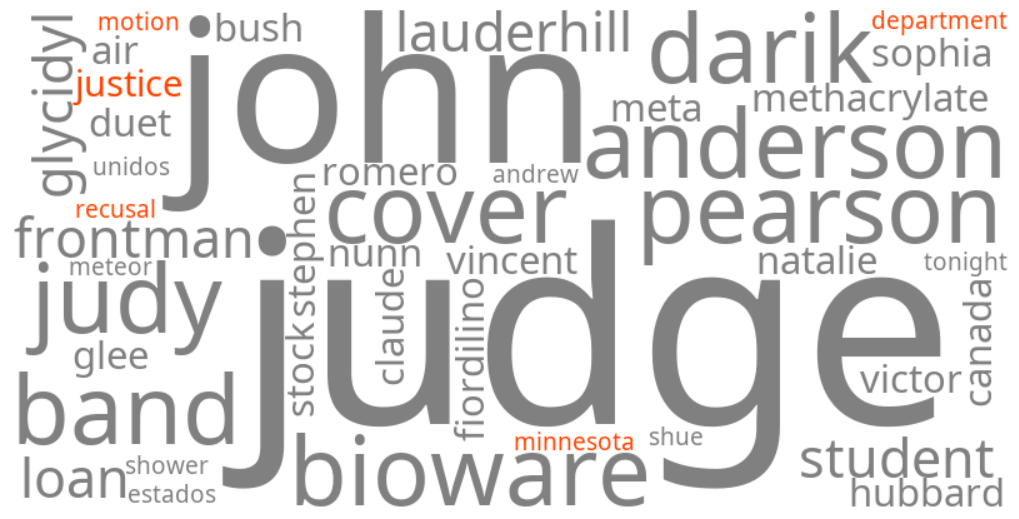
justice department recusal motion minnesota judges
Summary (tl;dr)
The U.S. Justice Department has filed motions to disqualify two federal judges in Minnesota from presiding over immigration-related cases, alleging their public remarks about the Trump administration's immigration enforcement efforts demonstrate bias.
Essential Background
In a New York Times article, U.S. District Judges Patrick Schiltz and John Tunheim, along with other federal judges in Minnesota, publicly commented on the impact of the Trump administration's "Operation Metro Surge" immigration enforcement operations. Judge Schiltz discussed how the operation overwhelmed the courts and created noncompliance from the federal government, posing a "grave threat to the rule of law." Judge Tunheim disputed the Trump administration's claims about arresting the "worst of the worst" during the surge. These comments subsequently led the Justice Department to file a judicial misconduct complaint against the judges with the Court of Appeals for the Eighth Circuit, alleging they violated ethical duties by speaking to the reporter.
The Full Story
Building on the earlier misconduct complaint, the Justice Department, through Associate Attorney General Stanley Woodward Jr., has now formally requested the recusal of Judges Patrick Schiltz and John Tunheim from two separate immigration-related cases in Minnesota. The DOJ argues that the judges' public comments in the New York Times article "unquestionably" call their impartiality into doubt, especially in matters involving the Department of Homeland Security or immigration enforcement. One case before Judge Schiltz involves the Trump administration seeking to revoke a Minnesota man's U.S. citizenship, while the case before Judge Tunheim concerns a South African national charged with illegal voting. The judges will initially rule on these recusal motions themselves.
Why It Matters
Judicial recusal is a critical process designed to ensure fair trials by removing judges who may have conflicts of interest, personal bias, or financial interests that could affect their impartiality. These motions raise significant questions about judicial independence and the ethical boundaries of judges commenting on sensitive government actions, particularly when those comments touch on cases that may come before them. The Justice Department's actions are seen by some as an attempt to influence who presides over cases involving politically charged issues like immigration, while the judiciary maintains that judges are permitted to speak about core matters such as the rule of law and judicial independence. The outcome of these motions could have implications for how judges interact with the media and the executive branch in the future.
Geographic Location
- U.S. District Court for the District of Minnesota, Minnesota, United States (where recusal motions were filed against federal judges)