 Law and Government
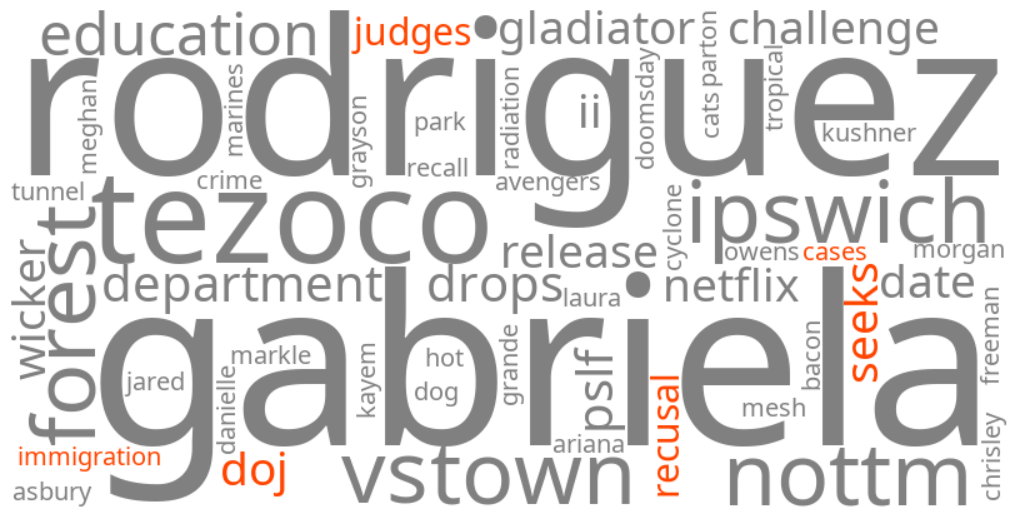
doj seeks judges recusal immigration cases
Summary (tl;dr)
The U.S. Department of Justice (DOJ) is seeking to remove two federal judges in Minnesota from high-stakes immigration cases, arguing that public comments they made criticizing the Trump administration's immigration enforcement policies compromise their impartiality.
Essential Background
The controversy began after Chief US District Judge Patrick Schiltz and US District Judge John Tunheim, both federal judges in Minnesota, voiced pointed criticisms of the executive branch's immigration crackdowns, particularly an initiative known as "Operation Metro Surge," in an interview published by The New York Times in September. Judge Schiltz openly characterized the federal initiative as a "grave threat to the rule of law," while Judge Tunheim questioned the priorities of immigration enforcement. Following these remarks, the Department of Justice filed ethics complaints against these and other federal judges in Minnesota.
The Full Story
In an escalation of its conflict with the judiciary, the DOJ has now filed formal motions requesting the recusal of Judges Schiltz and Tunheim from specific immigration-related cases, including one seeking to revoke a man's U.S. citizenship and another involving charges of illegal voting. Associate Attorney General Stanley Woodward asserts that the judges' public statements violated federal ethics rules requiring judicial neutrality and that their partiality can reasonably be questioned. Judge Schiltz further elaborated on his concerns regarding the strain of immigration cases at a symposium. While the judges will initially rule on their own recusal motions, the DOJ has indicated it is prepared to escalate the matter to the Eighth Circuit Court of Appeals if they decline to step aside.
Why It Matters
This situation highlights a significant clash between the executive and judicial branches, raising critical questions about judicial independence and the boundaries of free speech for federal judges. The outcome could set a national precedent for how much federal judges can publicly comment on political policies that intersect with their courtrooms, potentially influencing future standards of courtroom conduct. Critics of the DOJ's actions suggest these motions are "performative" and aim to "delegitimize" judges who rule against the administration, thereby undermining public confidence in the courts.
Geographic Location
- Federal District Court, Minnesota, United States (filing of recusal motions and judicial proceedings)
- New York Times, New York, New York, United States (publication of judges' critical comments on immigration enforcement)
- University of St. Thomas School of Law, St. Paul, Ramsey County, Minnesota, United States (Judge Schiltz made further public comments)