 Law and Government
chief justice john roberts
Summary (tl;dr)
Chief Justice John Roberts recently issued a year-end report strongly emphasizing the vital importance of judicial independence, warning against escalating threats of violence, intimidation, and political interference aimed at the federal judiciary.
Essential Background
The federal judiciary, particularly the Supreme Court, has faced increasing scrutiny and political pressure in recent years, including during the second term of the Trump administration. This period has seen numerous legal challenges to government policies, frequent use of the Supreme Court's emergency "shadow docket" for consequential decisions, and a notable rise in public criticism and even threats against judges. Concerns about judicial ethics and the impartiality of the courts have also been prominent in public discourse.
The Full Story
On December 31, 2025, or January 1, 2026, Chief Justice John Roberts released his annual year-end report on the federal judiciary, dedicating it to a robust defense of judicial independence. In the report, Roberts identified four significant threats to this independence: violence, intimidation, disinformation, and the defiance of court rulings, noting that hostile threats against judges have more than tripled in the past decade. He referenced historical events, such as the 1804 impeachment trial of Supreme Court Justice Samuel Chase, to illustrate the founders' intent to insulate judges from political reprisal for unpopular decisions. While the report avoided direct references to specific contemporary political figures or controversies, its timing and themes are widely understood as a response to the ongoing partisan attacks and challenges to the judiciary's legitimacy. Roberts stressed that judges must decide cases impartially, upholding their constitutional oath.
Why It Matters
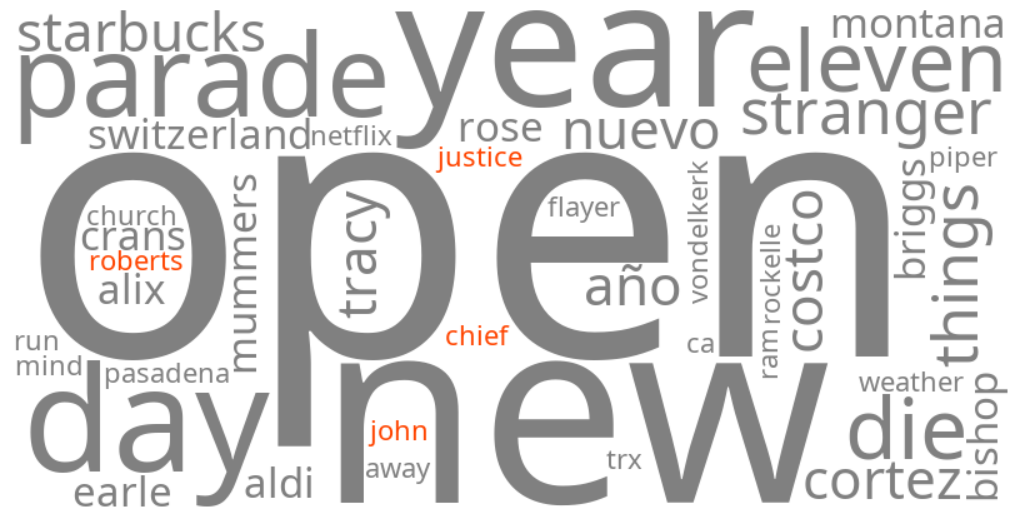
Chief Justice Roberts' emphatic message highlights profound concerns within the judiciary regarding its integrity and ability to function as an impartial arbiter of law amidst intense political polarization. The increasing threats and public criticism, as detailed in his report, could undermine the foundational principle of judicial independence, which is crucial for maintaining the rule of law and ensuring a stable system of checks and balances in government. The trending keywords reflect significant public and media interest in these issues, underscoring a national conversation about the judiciary's role and its enduring autonomy in a challenging political landscape.
Geographic Location
- Washington, D.C., District of Columbia, United States (issuance of the Chief Justice's year-end report from the U.S. Supreme Court)