 Science
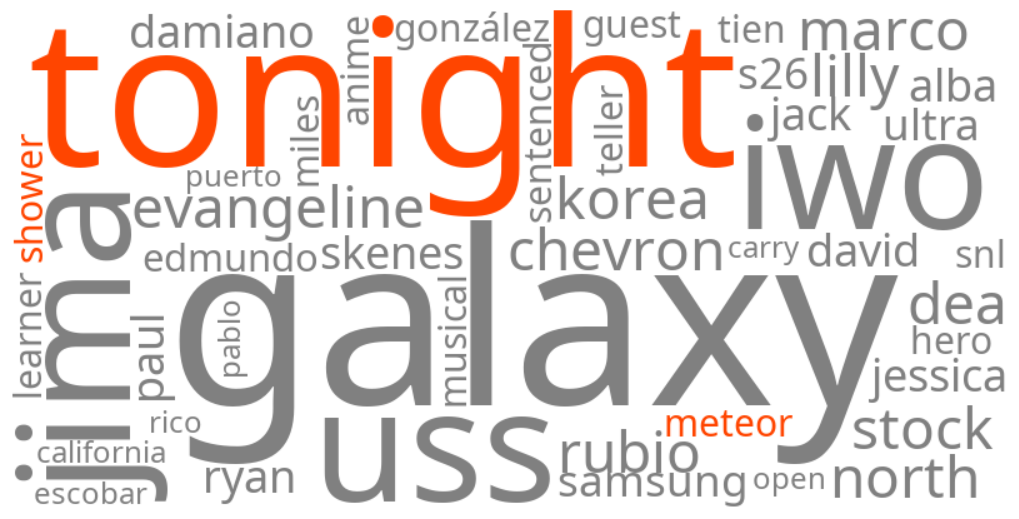
meteor shower tonight
Summary (tl;dr)
The public is actively searching for information about the Quadrantid meteor shower and the "Wolf Moon," which peaked around January 3-4, 2026. This year's Wolf Moon is also a Supermoon, making it appear larger and brighter, though its brilliance will unfortunately interfere with viewing most of the meteor shower.
Essential Background
A full moon occurs when the Moon is fully illuminated by the Sun as it sits opposite the Sun in Earth's sky. The January full moon is traditionally known as the "Wolf Moon," a name believed to originate from indigenous and early Anglo-Saxon cultures, reflecting the period when wolves were more frequently heard howling during winter nights. A Supermoon is a phenomenon where a full moon occurs when the Moon is at or near its closest point to Earth in its elliptical orbit (perigee), resulting in it appearing slightly larger and brighter than an average full moon. Meteor showers, colloquially known as "shooting stars," happen when Earth passes through trails of cosmic dust and debris left by comets or asteroids, causing these particles to burn up upon entering Earth's atmosphere. The Quadrantid meteor shower is a prominent annual shower occurring in early January, originating from the debris of asteroid 2003 EH1.
The Full Story
Currently, there is heightened interest in the first full moon of 2026, known as the "Wolf Moon," which reached its peak illumination on January 3, 2026, at 10:03 GMT (5:03 AM EST), and continues to appear full on surrounding nights. This particular Wolf Moon is also the first Supermoon of 2026, meaning it is near its closest point to Earth, making it appear up to 14% larger and 30% brighter than a typical full moon. Concurrently, the Quadrantid meteor shower is active and reached its peak between January 3-4, 2026, with the most intense period expected around 21:00 GMT on January 3. Unfortunately, the significant brightness of the Supermoon will likely wash out most of the fainter Quadrantid meteors, making observing the shower challenging, although brighter fireballs might still be visible. For those looking skyward, the Supermoon is also appearing in close proximity to the bright planet Jupiter, which is nearing its brightest point for the year.
Why It Matters
These trending keywords reflect a widespread public fascination with celestial events. The combination of a Supermoon and a meteor shower presents a unique astronomical spectacle, drawing significant attention from both casual observers and astronomy enthusiasts. Despite the challenge posed by the bright moonlight for meteor shower viewing, the allure of witnessing a visibly larger and brighter moon, particularly in conjunction with Jupiter, fuels public engagement and encourages stargazing. Beyond their visual appeal, these events also carry cultural and astrological significance for many, with the traditional "Wolf Moon" name evoking winter imagery and the full moon's position in Cancer offering a time for introspection and self-care. This collective interest highlights humanity's enduring connection to and curiosity about the cosmos.
Geographic Location
None