 Other
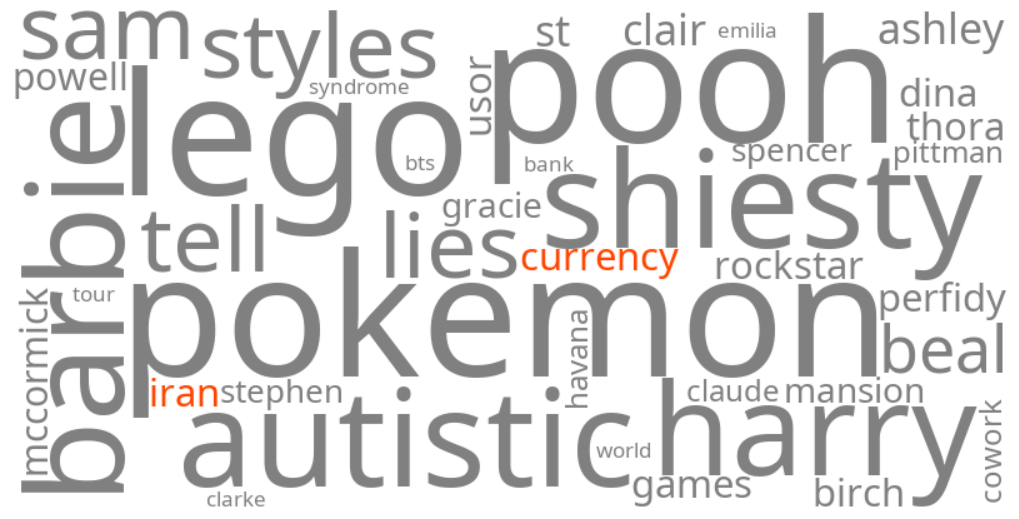
Otheriran currency
Summary (tl;dr)
Iran's national currency, the rial, has plummeted to historic lows against the US dollar, fueling widespread anti-government protests across the country since late December 2025. This economic crisis is exacerbated by international sanctions and domestic mismanagement, while escalating tensions with Israel and the United States add to regional instability and global concerns over potential conflict and its economic repercussions.
Essential Background
Iran has faced years of severe international sanctions, chronic inflation, and economic mismanagement, which have steadily weakened its economy and the value of its currency. In the summer of 2025, a 12-day war between Israel and Iran occurred, resulting in significant casualties and heightened regional tensions. This long-standing economic hardship and geopolitical friction set the stage for the current unrest.
The Full Story
As of January 2026, the Iranian rial has reached a historic low, trading at approximately 1.47 million rials per US dollar on unofficial markets, reflecting a nearly 45% depreciation over the past year. This currency collapse has intensified inflation, which hovered around 42% in December 2025, severely eroding the purchasing power of ordinary Iranians. The economic pressures sparked protests beginning on December 29, 2025, initially in Tehran's Grand Bazaar, with shopkeepers demonstrating against soaring prices and the currency crisis. These demonstrations quickly spread to over 180 cities and all 31 provinces, evolving from economic grievances into broader calls for political change and an end to the current regime.
The Iranian government, under President Masoud Pezeshkian, has accused the United States and Israel of instigating the turmoil, while simultaneously threatening readiness for dialogue or confrontation. In response, US President Donald Trump has warned of potential military intervention, describing the crackdown on protesters as unacceptable and urging Tehran to negotiate. Meanwhile, Israel is bracing for potential Iranian attacks amid rising tensions. Reports indicate that hundreds have been killed and thousands detained during the ongoing protests.
Why It Matters
The trending keywords highlight a critical juncture for Iran, where severe economic distress is directly fueling widespread social and political unrest. The ongoing depreciation of the rial and high inflation significantly impact the daily lives of Iranians, leading to a profound loss of purchasing power and exacerbating public anger. Furthermore, the escalating rhetoric and mutual accusations between Iran, Israel, and the United States raise the specter of a wider regional conflict. Such an escalation carries significant global economic implications, particularly concerning oil prices and international trade routes like the Strait of Hormuz, which is a critical chokepoint for a substantial portion of the world's oil supply.
Geographic Location
- Tehran, Tehran Province, Iran (initial site of protests in Grand Bazaar, ongoing demonstrations, currency market activity, government statements)
- Across Iran (widespread anti-government protests over economic conditions)
- Israel (heightened alert for potential Iranian attacks, government discussions)
- Strait of Hormuz (critical maritime chokepoint facing potential disruption due to regional tensions)