 Law and Government
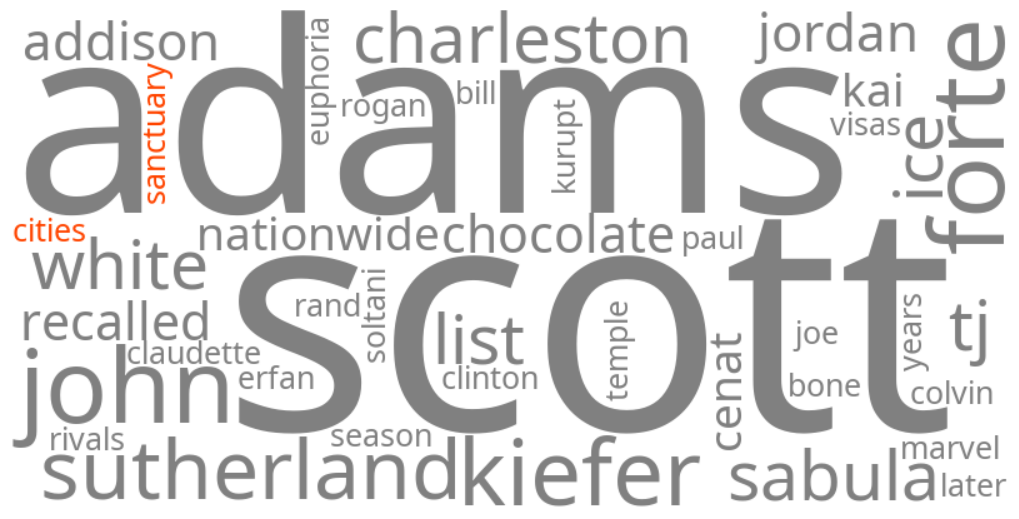
sanctuary cities
Summary (tl;dr)
"Sanctuary cities" are trending due to renewed threats by President Donald Trump to withhold federal funding from these jurisdictions starting February 1, 2026, despite previous court injunctions blocking such actions, intensifying a national debate over immigration enforcement and local autonomy.
Essential Background
The concept of "sanctuary cities" refers to local jurisdictions that adopt policies limiting their cooperation with federal immigration enforcement, often by not using local resources to identify or detain undocumented immigrants solely for immigration violations. This approach aims to build trust between immigrant communities and local law enforcement, encouraging crime reporting and community engagement. The Trump administration has historically opposed these policies, viewing them as impediments to federal law enforcement and national security. In April 2025, President Trump signed Executive Order 14287, "Protecting American Communities from Criminal Aliens," which directed the Justice Department to publish a list of states, cities, and counties identified as sanctuary jurisdictions. Subsequently, in August 2025, the Justice Department released a list of jurisdictions deemed to have policies that impede federal immigration laws, initiating legal challenges against some of them.
The Full Story
The keywords "sanctuary cities" are trending in January 2026 due to a resurgence of federal action and related developments. On January 13, 2026, President Donald Trump announced from Detroit that his administration would halt federal funding for "sanctuary cities or states" beginning February 1, 2026, a move that directly challenges prior federal court rulings that prevented such defunding efforts. This declaration has been met with strong opposition from various city and state officials, including New York City, who view it as a violation of constitutional rights and have pledged legal challenges.
Concurrently, new laws officially banning sanctuary cities took effect in New Hampshire on January 5, 2026, following their signing by Governor Kelly Ayotte in May. This comes amidst broader federal enforcement operations, including an expanded crackdown by the Justice Department targeting alleged fraud and immigration violations in states governed by Democrats. These operations have included freezing billions in funding for social programs, prompting criticism from state leaders who argue that widespread fraud has not been proven. Additionally, escalating protests have occurred in cities like Minneapolis following an ICE officer-involved shooting, further fueling the debate over immigration enforcement and local cooperation.
Why It Matters
The renewed federal effort to defund sanctuary jurisdictions significantly escalates the ongoing conflict between federal and local authorities over immigration policy. This trend is crucial because it raises concerns about the potential loss of billions in federal funding for essential services, including healthcare, education, and public safety, in the targeted cities and states. Critics argue that these federal threats undermine trust between immigrant communities and local law enforcement, potentially discouraging crime reporting and making communities less safe overall. Conversely, proponents of stricter immigration enforcement assert that sanctuary policies compromise national security and harbor criminals. The intensifying legal battles and political rhetoric underscore deep divisions within the U.S. regarding immigration, the balance of federal and state powers, and states' rights. The financial burden on cities facing a significant influx of migrants, such as New York, also remains a critical concern, highlighting the broader implications of these policies.
Geographic Location
- Detroit, Wayne County, Michigan, United States (President Trump's January 2026 announcement regarding federal funding for sanctuary cities)
- Concord, Merrimack County, New Hampshire, United States (New Hampshire's new laws banning sanctuary cities took effect in January 2026)
- Minneapolis, Hennepin County, Minnesota, United States (January 2026 ICE officer shooting, subsequent protests, and federal enforcement operations)
- New York City, New York County, New York, United States (Officials' January 2026 denouncement of President Trump's funding threats)
- San Francisco, San Francisco County, California, United States (City officials' current comments and ongoing legal battles against funding cuts)
- Chicago, Cook County, Illinois, United States (City officials' current comments and ongoing legal battles against funding cuts)
- Los Angeles, Los Angeles County, California, United States (Ongoing Trump administration lawsuit against the city's sanctuary policy)
- Washington, D.C., District of Columbia, United States (Justice Department published a list of sanctuary jurisdictions in August 2025 as background to current federal actions)