 Business and Finance
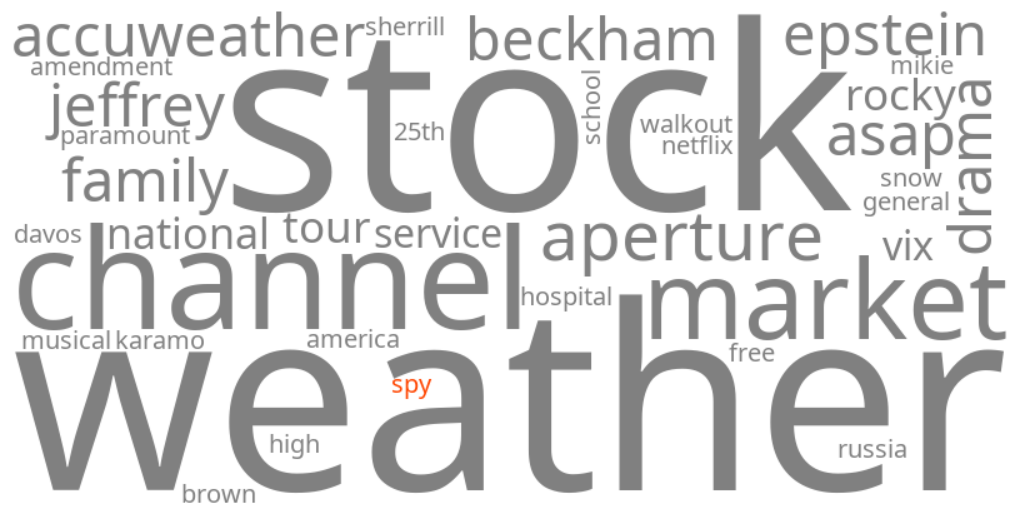
spy
Summary (tl;dr)
The keyword "spy" is trending in business and finance due to heightened global concerns over sophisticated cyber and economic espionage, primarily by nation-state actors targeting private companies for intellectual property theft, economic disruption, and geopolitical advantage.
Essential Background
Economic espionage has long been a concern, but its digital manifestation, known as cyberespionage, has significantly escalated. For years, intelligence agencies have issued warnings about persistent and evolving threats from state-sponsored groups targeting critical sectors and valuable intellectual property. This landscape is shaped by intense geopolitical competition, driving nations to seek economic and technological supremacy through covert means.
The Full Story
Currently, there is a surge in sophisticated cyberattacks and espionage attempts specifically aimed at businesses, particularly in critical sectors like technology, defense, and finance. Cybersecurity experts and intelligence agencies, including the FBI and MI5, are issuing fresh warnings about these advanced persistent threats (APTs) that often originate from nation-states like China and Russia. These operations are increasingly blurring the lines between traditional criminal activity and state-sponsored objectives, as nation-state actors sometimes use ransomware groups or exploit supply chain vulnerabilities to achieve their strategic goals. Recent discussions in the U.S. have also revisited the effectiveness of programs designed to combat economic espionage, such as the now-scrapped China Initiative, underscoring ongoing concerns at the highest levels of government. Furthermore, a recent trade deal between Canada and China has raised alarms among experts regarding potential national security threats to the U.S. and increased economic entanglement with Beijing, known for its pervasive economic espionage.
Why It Matters
This trend poses significant risks to national security, corporate profitability, and global economic stability. Businesses face substantial financial losses from stolen intellectual property, disrupted operations, and the costs of remediation. Beyond direct financial impact, such espionage undermines fair competition, erodes trust in international trade, and can compromise critical infrastructure, leading to broader societal disruptions. For investors, the escalating threat of economic espionage introduces new layers of risk that can influence market valuations and investment decisions, requiring increased scrutiny of corporate cybersecurity postures.
Geographic Location
- London, England, United Kingdom (Joint FBI and MI5 warning on Chinese economic espionage)
- Washington, D.C., District of Columbia, United States (US White House science adviser's comments on China Initiative; report by a technology think tank on China's economic espionage; FBI's cyber mission)
- California, United States (US sailor convicted in Chinese espionage case)
- Canada (Concerns over Canada-China trade deal and China's economic espionage)
- China (Source of nation-state sponsored cyberespionage; targeted supplier of Apple; ban on foreign cybersecurity software)
- Russia (Target of Chinese cyber-espionage group APT31)