 Climate
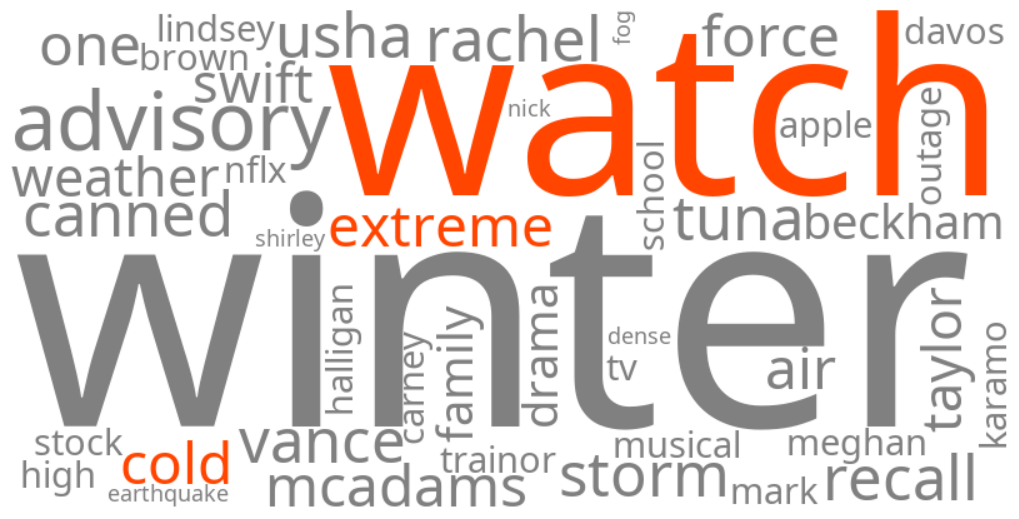
extreme cold watch
Summary (tl;dr)
"Extreme cold watch" is trending as dangerously cold air is anticipated across multiple regions of the United States, prompting the issuance of weather watches that warn of potential frostbite and hypothermia. This alert system has recently replaced the older "wind chill watch" to simplify winter hazard messaging.
Essential Background
An "extreme cold watch" is an alert issued by the United States' National Weather Service (NWS) when there is a possibility of dangerously cold air, with or without significant wind, impacting a region. This watch serves as a precursor to an "extreme cold warning," indicating that conditions conducive to severe health risks, such as frostbite and hypothermia, are possible. The NWS implemented this new terminology on October 1, 2024, replacing the former "wind chill watch" as part of a broader "Hazard Simplification initiative" aimed at making weather warnings clearer and more effective for the public.
The Full Story
Currently, several parts of the United States are under or preparing for extreme cold conditions, leading to widespread "extreme cold watch" alerts. Portions of north central, northeast, and northwest Iowa, including Cerro Gordo County, are under an Extreme Cold Watch from late Thursday night through Saturday morning, with anticipated wind chills as low as 30 to 40 degrees below zero. Similarly, nearly all of Wisconsin, encompassing central, north central, west central regions, and specifically Sheboygan County, is also under an extreme cold watch for the same period, with wind chills potentially dropping to 40 degrees below zero. Adjacent areas of southeast Minnesota are also expected to experience dangerously cold conditions, with wind chills ranging from 35 to 40 degrees below zero. These severe conditions are projected to cause frostbite on exposed skin in as little as 10 minutes. A powerful Arctic air mass is reportedly pushing south, bringing temperatures 20 to 30 degrees below normal across much of the Midwest. Even regions not traditionally associated with such extreme cold, like the San Francisco Bay Area in California, recently experienced their first "extreme cold watch" due to temperatures forecast to drop toward freezing, highlighting the evolving nature of cold weather hazards.
Why It Matters
The trending "extreme cold watch" keywords underscore a serious public health and safety concern. Exposure to dangerously low temperatures can quickly lead to severe health issues like frostbite and hypothermia, which can be life-threatening if not addressed promptly. Beyond immediate health risks, extreme cold can increase the likelihood of cardiovascular and respiratory problems, and encourage the spread of infectious diseases as people seek refuge indoors. Vulnerable populations, including the elderly, outdoor workers, and individuals experiencing homelessness, face heightened risks. Furthermore, such severe weather can strain infrastructure, potentially causing power outages, damaging water systems, and disrupting transportation and supply chains. Experts note that climate change may intensify cold weather snaps, making preparedness for these extreme fluctuations increasingly crucial for communities nationwide.
Geographic Location
- North Central Iowa, Iowa, United States (dangerously cold conditions expected)
- Northeast Iowa, Iowa, United States (dangerously cold conditions expected)
- Northwest Iowa, Iowa, United States (dangerously cold conditions expected)
- Cerro Gordo County, Iowa, United States (extreme cold watch in effect)
- Central Wisconsin, Wisconsin, United States (extreme cold watch in effect)
- North Central Wisconsin, Wisconsin, United States (extreme cold watch in effect)
- West Central Wisconsin, Wisconsin, United States (extreme cold watch in effect)
- Sheboygan County, Wisconsin, United States (extreme cold watch in effect)
- Southeast Minnesota, United States (dangerously cold conditions expected)
- San Francisco Bay Area, California, United States (first "extreme cold watch" issued due to freezing temperatures)