 Science
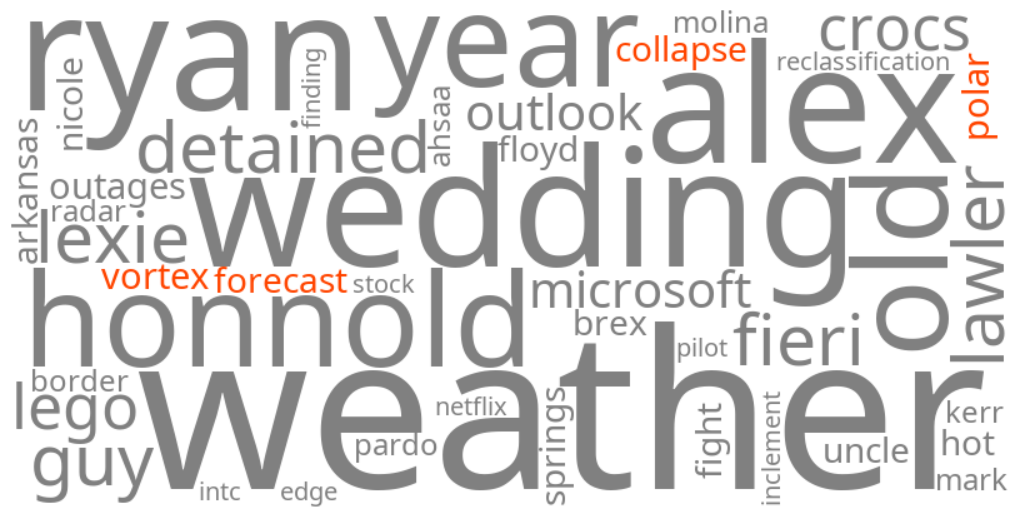
polar vortex collapse forecast
Summary (tl;dr)
Forecasters predict a significant disruption of the polar vortex, known as a Sudden Stratospheric Warming, is underway and expected to bring severe cold, snow, and ice across vast regions of North America, Europe, and parts of Asia through January and into February 2026.
Essential Background
The polar vortex is a normal, large area of cold, low-pressure air that typically circulates high above Earth's poles, keeping frigid Arctic air contained. A "collapse" or significant disruption of the polar vortex refers to a weakening or splitting of this atmospheric pattern, often triggered by a Sudden Stratospheric Warming (SSW) event, where temperatures in the stratosphere rapidly increase by tens of degrees Celsius. When this occurs, the jet stream can become wavier, allowing the usually contained Arctic air to spill southward into lower latitudes.
The Full Story
"Polar vortex collapse forecast" is trending due to current meteorological predictions indicating a significant disruption of the polar vortex for January and February 2026, driven by a Sudden Stratospheric Warming event over the Arctic. This weakening and displacement of the vortex is forecast to usher in widespread severe winter weather. Experts warn that the eastern two-thirds of the United States could face subzero temperatures, heavy snow, and powerline-toppling ice, with similar extreme cold expected in parts of Canada and Europe. Over 200 million people in the U.S. alone are under cold weather advisories or warnings, with specific forecasts for conditions to remain frigid through early February.
Why It Matters
A disrupted polar vortex can lead to dangerously low temperatures and severe winter storms in areas unaccustomed to such extreme conditions, posing significant risks to infrastructure, agriculture, and public safety. The resulting sharp temperature drops, prolonged cold spells, and increased likelihood of heavy snowfall and ice can disrupt travel, strain energy grids, and lead to various health concerns. This event highlights the complex interplay of atmospheric phenomena and their tangible impacts on daily life.
Geographic Location
- Eastern two-thirds, United States (forecast for widespread severe winter weather)
- Northeast United States (widespread snow and ice warnings)
- Mid-Atlantic United States (widespread snow and ice warnings)
- Upper Midwest, United States (forecast for subzero temperatures)
- Lakeland, Polk County, Florida, United States (forecast for freezing temperatures)
- Canada (forecast for a bitterly cold spell)
- Europe (forecast for Arctic air outbreaks and colder-than-normal conditions)
- Scandinavia, Europe (forecast for cold anomalies)
- British Isles, Europe (forecast for cold anomalies)
- Central Europe (forecast for cold anomalies)
- Eastern Europe (forecast for cold anomalies)
- Asia (forecast for cold surges)