 Climate
weather radar
Summary (tl;dr)
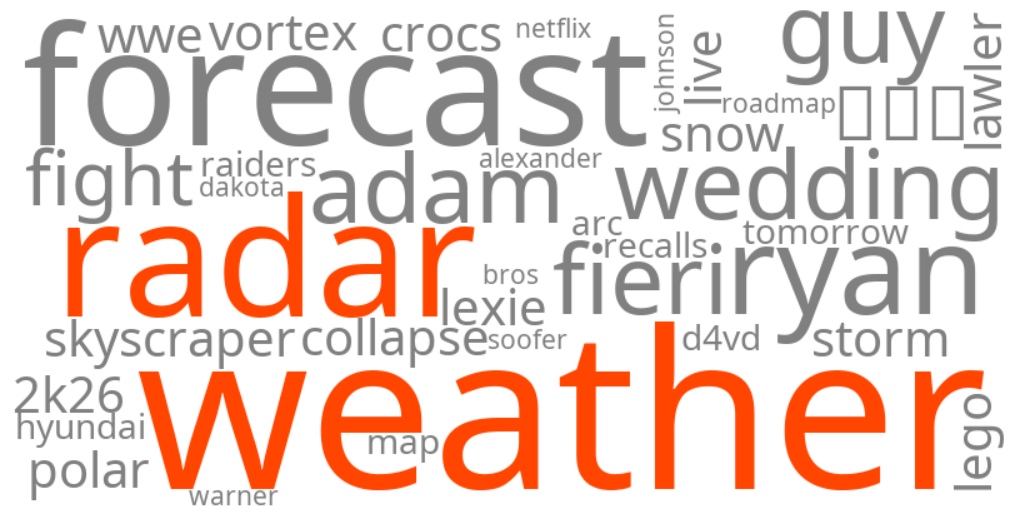
"Weather radar" is trending due to widespread severe winter storms impacting a large portion of the United States, bringing heavy snow, damaging ice, and extreme cold, alongside significant rainfall and strong winds affecting parts of the United Kingdom. People are actively using radar technology for real-time tracking and safety during these perilous weather conditions.
Essential Background
Weather radar, also known as Doppler weather radar, is a critical tool used by meteorologists and the public to detect precipitation, measure its movement and intensity, and identify its type (rain, snow, hail). Unlike forecasts, which are predictions, radar provides a real-time view of current atmospheric conditions, making it invaluable for immediate decision-making during rapidly changing weather. During winter months, when conditions can shift quickly from rain to ice or heavy snow, understanding these real-time observations is crucial for safety and preparedness.
The Full Story
"Weather radar" is currently trending as a powerful winter storm system sweeps across vast areas of the United States and the United Kingdom. In the U.S., a major storm, which began developing over the Rockies and Plains, is bringing significant impacts from Friday, January 23rd, through Monday, January 26th. This system is forecast to deliver a destructive swath of ice from northern Texas to southern Virginia, with some areas like northern Mississippi and northwestern Alabama potentially experiencing catastrophic levels of ice accumulation. North of this, a corridor from Oklahoma to Maine is expecting 10 to 20 inches of powdery snow, while areas like Washington D.C. and the Mid-Atlantic are bracing for a mix of snow, sleet, and freezing rain. Dangerous wind chills, plummeting to as low as -50 degrees Fahrenheit, are also expected across the northern Plains and Upper Midwest.
Meanwhile, the United Kingdom is experiencing its own challenging weather, with slow-moving systems bringing prolonged rainfall and strong winds, particularly affecting eastern Scotland with a risk of flooding, and significant rain across western and southern regions. The interplay between Atlantic systems and a pool of cold air gathering over Scandinavia is making the forecast complex, leading to a mixture of weather types across many areas. The severe and widespread nature of these weather events has driven a surge in people consulting weather radar to track storms, gauge precipitation intensity, and make timely safety decisions.
Why It Matters
The trending of "weather radar" highlights the public's need for immediate, accurate, and real-time weather information, especially when facing dangerous and evolving conditions. This technology is vital for public safety, enabling individuals and communities to prepare for hazardous travel, potential power outages, and other severe impacts associated with heavy snow, ice, and extreme cold. By offering a dynamic view of current weather, radar empowers people to make informed decisions about their safety, travel plans, and property protection, complementing broader weather forecasts. The increased reliance on weather radar also reflects a growing awareness of and adaptation to more frequent and intense extreme weather events, which are increasingly influenced by climate change.
Geographic Location
- Central and Eastern United States (major winter storm with widespread snow, ice, and extreme cold affecting areas from the Plains to New England, and the Deep South)
- Northern Texas, United States (destructive ice swath)
- Mid-Atlantic region, United States (mix of snow, sleet, freezing rain, significant ice, and cold)
- Ohio Valley, United States (over 12 inches of snow)
- Western Pennsylvania, United States (heavy snowfall and severe wind chills)
- Upper Midwest, United States (extreme wind chills)
- Northern Plains, United States (dangerous wind chills as low as -50 degrees Fahrenheit)
- Eastern Scotland, Scotland, United Kingdom (prolonged heavy rainfall and flooding risk)
- Southwest England, England, United Kingdom (spells of heavy rain and strong winds)
- Western and Southern regions, United Kingdom (significant rainfall)