 Climate
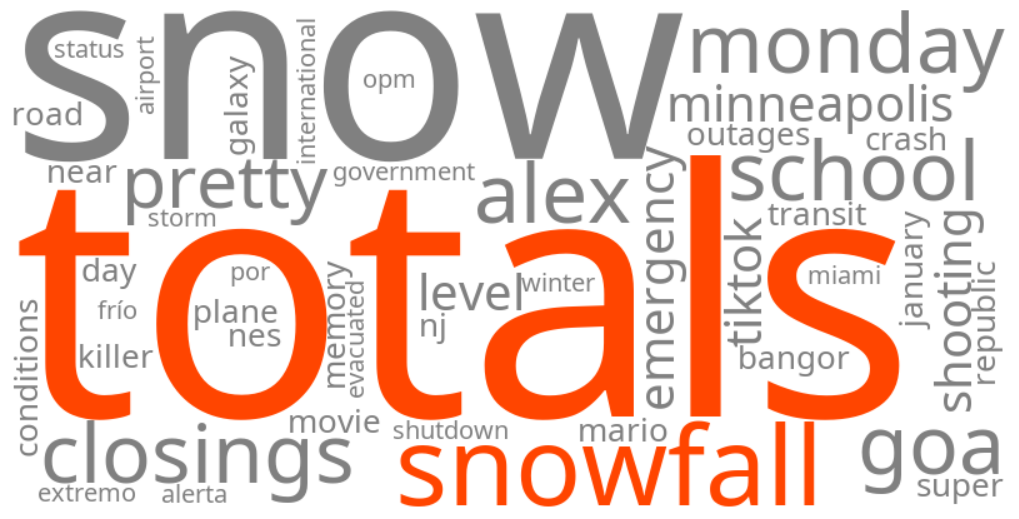
snowfall totals
Summary (tl;dr)
A major winter storm, "Winter Storm Fern," recently blanketed the New York City metropolitan area and Long Island with heavy snowfall and frigid temperatures, leading to widespread school closures, significant travel disruptions, and a declared state of emergency.
Essential Background
The Northeast region of the United States, including the New York City metropolitan area, experiences winter weather annually; however, meteorologists had issued severe warnings for Winter Storm Fern, which was forecast to be a potent system delivering substantial snow accumulation and dangerously cold temperatures. This prompted officials to advise residents to prepare for hazardous conditions and potential travel disruptions. New York City Mayor Zohran Kwame Mamdani mobilized city agencies in anticipation of the "potentially historic" storm, expected to bring the coldest sustained temperatures in eight years. New York Governor Kathy Hochul declared a State Disaster Emergency effective January 23, 2026, for the entire state due to the expected extreme weather.
The Full Story
Winter Storm Fern swept through the New York City metropolitan area and Long Island on January 25th and 26th, 2026, bringing heavy snowfall and creating blizzard-like conditions. Public interest surged for "snowfall totals" as various locations reported significant accumulation, including 14.9 inches in Washington Heights, Manhattan, and 11.4 inches in Central Park. Long Island also experienced heavy snow, with accumulations between 8 and 12 inches in many areas, such as 9.2 inches in Matinecock, Nassau County, and 7.0 inches in Islip.
The storm caused widespread disruptions, notably impacting education and transportation. New York City public schools pivoted to remote learning for Monday, January 26, affecting approximately 500,000 students, while Catholic elementary schools in the Archdiocese of New York opted for a traditional snow day closure. Long Island school districts also canceled classes. The Metropolitan Transportation Authority (MTA) implemented service changes and advised against non-essential travel, although subways and buses generally remained operational with some delays. NJ Transit, however, suspended its services for the day due to hazardous conditions. Sadly, the storm was also linked to multiple fatalities in New York City due to weather-related circumstances.
Why It Matters
The intense public searching for "snowfall totals," "school closures," and "MTA" updates underscores the profound impact such severe weather events have on daily life and public safety. Residents rely on accurate, real-time information to navigate dangerous travel conditions, make arrangements for work and childcare, and ensure personal well-being amidst widespread disruptions. The shift to remote learning in NYC schools, rather than traditional snow days, highlights evolving strategies to maintain instructional time even during extreme weather. Furthermore, the declared states of emergency by state and city officials, along with reports of storm-related fatalities, emphasize the serious risks posed by heavy snowfall and frigid temperatures, making public awareness and preparedness paramount.
Geographic Location
- New York City, New York, United States (heavy snowfall, widespread school closures, transportation disruptions, fatalities)
- Long Island, New York, United States (heavy snowfall, school closures, transportation disruptions)
- Newark, Essex County, New Jersey, United States (significant snowfall, NJ Transit suspension)
- Bridgeport, Fairfield County, Connecticut, United States (significant snowfall)