 Law and Government
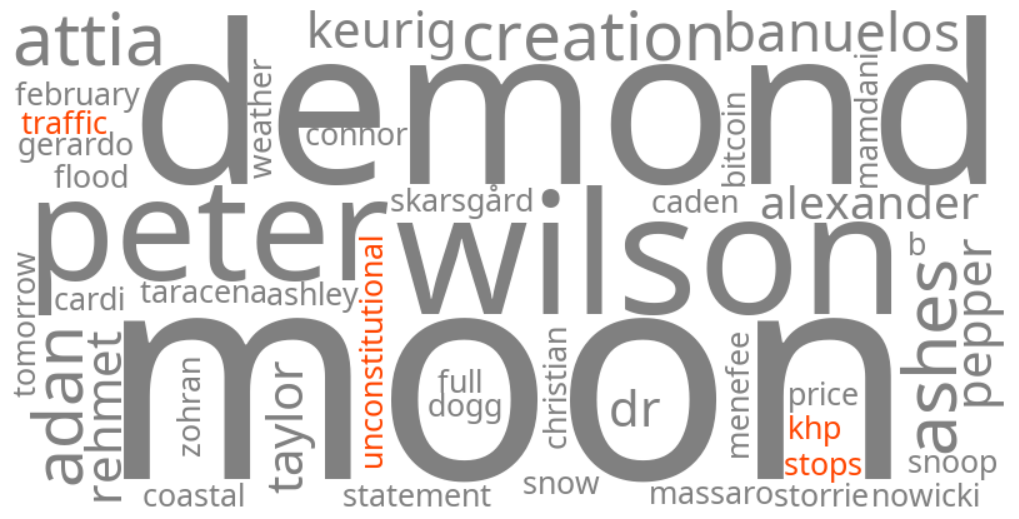
khp unconstitutional traffic stops
Summary (tl;dr)
The Kansas Highway Patrol's (KHP) "Kansas Two-Step" tactic, which involves extending routine traffic stops to conduct drug searches, has been affirmed as unconstitutional by a federal appeals court, leading to trending discussions about drivers' rights.
Essential Background
For years, the Kansas Highway Patrol has utilized a tactic known as the "Kansas Two-Step." This method involves a trooper ending an initial traffic stop, taking a few steps towards their patrol car, and then turning back to re-engage the driver in a new, supposedly voluntary conversation. The stated purpose of this maneuver was to create an opportunity for further questioning to develop reasonable suspicion for drug searches, often targeting out-of-state drivers traveling through Kansas from states where marijuana is legal, particularly along Interstate 70. The American Civil Liberties Union (ACLU) of Kansas filed a lawsuit challenging this practice, arguing that it led to unlawful detentions and searches without reasonable suspicion, violating drivers' Fourth Amendment rights. In July 2023, a federal judge ruled that the "Kansas Two-Step" violated constitutional rights, and a permanent injunction was issued in November 2023 to halt the practice.
The Full Story
The keywords are trending now because the 10th U.S. Circuit Court of Appeals recently affirmed a federal district court's conclusion that the Kansas Highway Patrol engaged in unconstitutional traffic stops by targeting out-of-state motorists. While the appeals court upheld the finding of unconstitutional conduct, it partially reversed some of the sanctions imposed by the lower court, suggesting that mandatory training for troopers might be a sufficient remedy for the violations, rather than more extensive oversight. This latest ruling reinforces the ongoing legal battle and public discussion around police tactics and civil liberties on Kansas highways.
Why It Matters
This trend matters because it highlights a critical issue regarding constitutional rights during traffic stops and the ongoing debate over police practices. The rulings against the KHP's "Kansas Two-Step" affirm that law enforcement cannot arbitrarily extend traffic stops or use pretextual reasons to search vehicles, particularly targeting out-of-state drivers. The appeals court's decision, while confirming the unconstitutionality of the practice, also signals a potential shift in the extent of judicial oversight required to ensure compliance, emphasizing training as a primary solution. This case sets an important precedent for how police interact with motorists and underscores the importance of the Fourth Amendment's protection against unreasonable searches and seizures.
Geographic Location
- Kansas, United States (location where the Kansas Highway Patrol operates and unconstitutional traffic stops occurred on highways including I-70, I-35, U.S. Route 54, and U.S. Route 36)
- Kansas City, Wyandotte County, Kansas, United States (location of the U.S. District Court for the District of Kansas, where the initial federal ruling against KHP was made)
- Denver, Denver County, Colorado, United States (location of the 10th U.S. Circuit Court of Appeals, which issued the recent affirming decision)