 Law and Government
zohran mamdani
Summary (tl;dr)
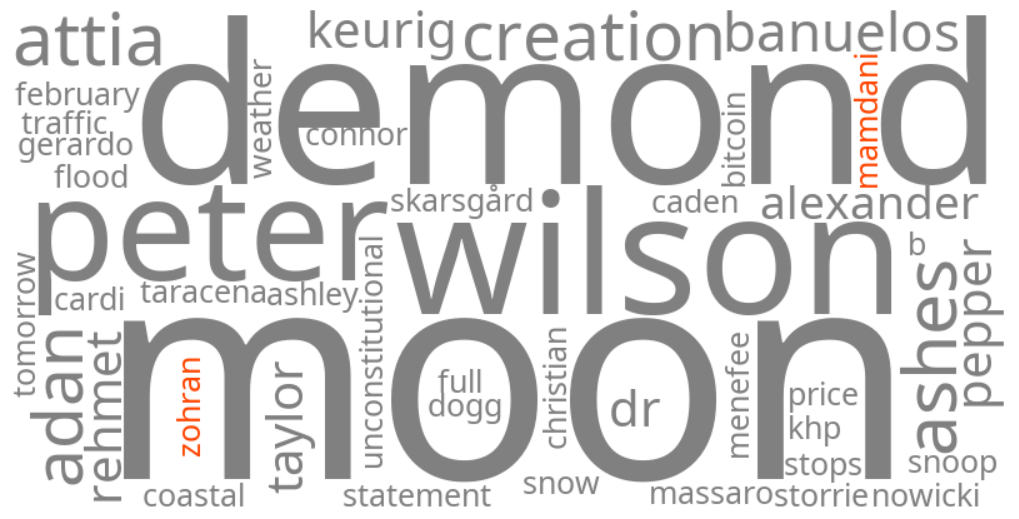
New York City Mayor Zohran Mamdani is trending as he navigates his first month in office, addressing significant budget challenges, police reform, housing policies, and a worker-centric agenda while also facing public scrutiny and a recent snowstorm.
Essential Background
Zohran Mamdani, a member of the Democratic Party and the Democratic Socialists of America, was elected as the 112th Mayor of New York City in the 2025 election, succeeding Eric Adams. He officially took office on January 1, 2026, marking a historic moment as the city's first Muslim and Asian American mayor, and the first from the borough of Queens. Prior to his mayoralty, Mamdani represented the 36th New York State Assembly District, campaigning on a progressive platform focused on economic inequality, housing affordability, and worker rights.
The Full Story
Mayor Zohran Mamdani is actively making headlines in his first month, particularly concerning New York City's finances and policy reforms. He recently delivered his initial budget address, where he criticized the previous administration's "gross fiscal mismanagement" and highlighted a projected $12 billion budget deficit over the next two fiscal years. In policing, Mamdani has reiterated his campaign promise to disband the NYPD's Strategic Response Group (SRG), a stance reinforced after the unit's involvement in arresting anti-ICE protesters. On housing, an early challenge has emerged as his own Law Department expressed legal reservations about the Community Opportunity to Purchase Act (COPA) bill, which Mamdani had previously championed to empower local housing groups in acquiring distressed properties. His administration is also pushing a worker-centric agenda, intending to ban non-compete agreements and enhance enforcement against worker misclassification. Furthermore, Mamdani is engaged in negotiations with state lawmakers regarding the extension of mayoral control over schools, while also contending with public and activist pressure to democratize the education system. His recent handling of a major snowstorm and even his choice of official outerwear during briefings also garnered public attention.
Why It Matters
The trend surrounding Zohran Mamdani is significant because it reflects the early days of a progressive mayor implementing a transformative agenda in one of the world's largest cities. His approach to the city's budget, potentially leading to a re-evaluation of previous financial policies, could impact public services and taxation for millions of residents. His commitment to disbanding the SRG signals a major shift in policing strategy, potentially affecting civil liberties and public safety discussions. The internal legal debate over the housing bill highlights the complexities of turning campaign promises into actionable policy and could influence future affordable housing initiatives. Furthermore, Mamdani's broader worker-centric policies, including efforts to ban non-competes and address worker misclassification, could set precedents for labor rights and employer practices across the city and potentially inspire similar movements nationally. The ongoing discussions regarding mayoral control of schools underscore a critical debate about educational governance and community involvement. His every move, from policy announcements to public appearances during crises, is being closely watched as a gauge of his leadership and the viability of his progressive platform.
Geographic Location
- New York City, New York, United States (Mayor Zohran Mamdani's administration and policy initiatives)
- Queens, New York, United States (Mamdani's home borough and former assembly district)
- Spring Street Salt Shed, New York City, New York, United States (Mayor Mamdani delivered updates on snow preparedness)