 Climate
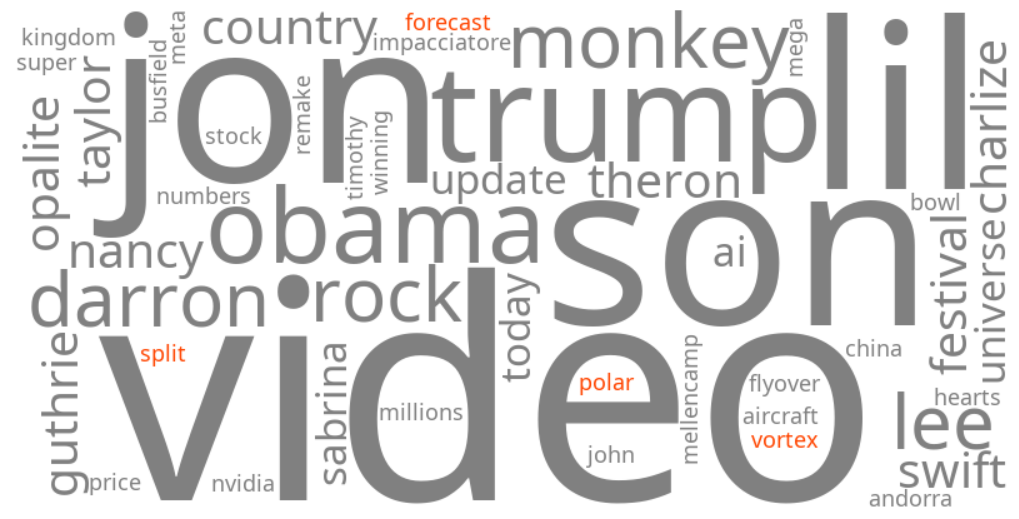
polar vortex split forecast
Summary (tl;dr)
Forecasters are closely monitoring a predicted split of the polar vortex in mid-February 2026, an atmospheric event that could unleash significant outbreaks of extreme cold and heavy snow across parts of North America and Eurasia.
Essential Background
The polar vortex is a vast area of low pressure and cold air that consistently exists around the Earth's poles in the stratosphere, approximately 10 to 30 miles above the surface. It typically spins counter-clockwise, acting as a barrier to keep frigid Arctic air contained near the North Pole, strengthening during winter and weakening in summer. A "polar vortex split" is a severe disruption, often triggered by a "Sudden Stratospheric Warming" (SSW) event, where temperatures in the stratosphere rapidly increase by tens of degrees Celsius over a few days. This warming can cause the vortex to weaken, stretch, or even divide into multiple lobes.
The Full Story
Concerns are currently trending due to recent forecasts indicating a potential collapse and split of the polar vortex around mid-February 2026. This event is being driven by a powerful stratospheric warming, with temperature anomalies exceeding 50°C (122°F) above normal in the mid-stratosphere. When the polar vortex is disrupted and splits, it can lead to a wavy jet stream, allowing lobes of frigid Arctic air to spill southward from the pole into mid-latitude regions that are not typically accustomed to such extreme cold. This forecast suggests a significant release of prolonged Arctic cold across North America and parts of Europe and Asia in the coming weeks.
Why It Matters
A polar vortex split is significant because it often precedes severe winter weather, including frigid temperatures, heavy snowfall, and dangerous winter storms in affected regions. Such extreme weather can lead to widespread disruptions, impact daily life, strain infrastructure, and increase energy demands and costs. People are actively searching for forecasts and information to prepare for these potentially hazardous conditions, which could bring the lowest temperatures of the season to some areas. The potential for more frequent and severe polar vortex disruptions due to climate change is also a subject of ongoing scientific research and debate.
Geographic Location
- Northeastern United States (anticipated plunging temperatures, snow, and extreme wind chills)
- Great Lakes region, United States (anticipated plunging temperatures and snow)
- Ohio Valley region, United States (anticipated plunging temperatures and snow)
- Eastern Canada (anticipated Arctic air outbreaks)
- Eastern Europe (anticipated very cold polar waves and heavy snow)
- Russia (anticipated very cold polar waves and heavy snow)
- Northern Europe (anticipated colder air)