 Law and Government
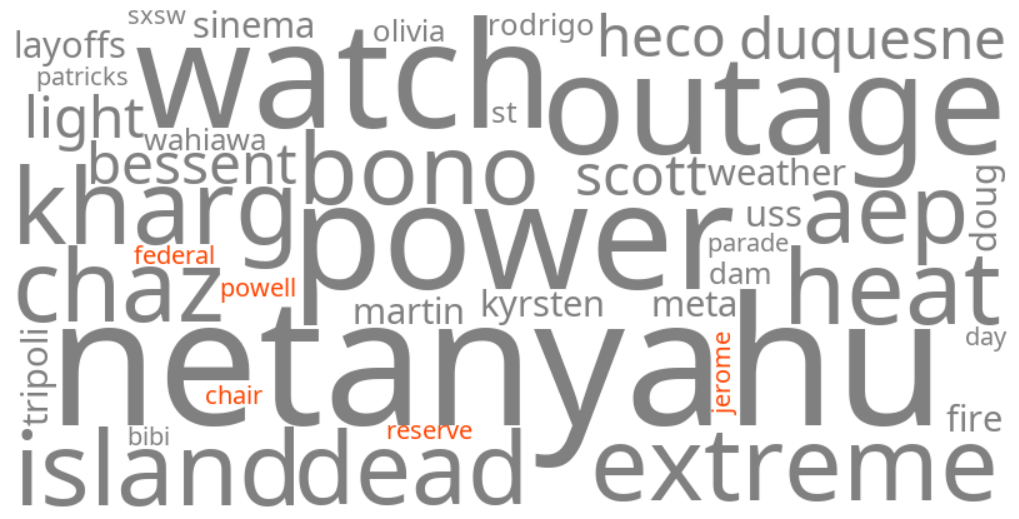
federal reserve chair jerome powell
Summary (tl;dr)
A federal judge has quashed subpoenas issued by the Department of Justice (DOJ) to Federal Reserve Chair Jerome Powell, ruling that the investigation was politically motivated and lacked evidence of wrongdoing. The DOJ, led by U.S. Attorney Jeanine Pirro, plans to appeal the decision.
Essential Background
In June 2025, Federal Reserve Chair Jerome Powell testified before Congress regarding cost overruns associated with a $2.5 billion renovation project at the Federal Reserve's headquarters. Subsequently, in January 2026, the Department of Justice (DOJ), under U.S. Attorney Jeanine Pirro, initiated a criminal investigation into Powell's statements and issued grand jury subpoenas to the Federal Reserve. Powell publicly criticized the probe, calling it a pretext to pressure the central bank into lowering interest rates, aligning with ongoing tensions between the White House and the Federal Reserve over monetary policy.
The Full Story
On Friday, March 13, 2026, U.S. District Judge James Boasberg of the District of Columbia granted a motion to quash two subpoenas issued against Federal Reserve Chair Jerome Powell. Judge Boasberg’s 27-page decision stated that the subpoenas were issued for an "improper purpose," aiming to "harass and pressure Powell either to yield to the President or to resign" in an effort to influence interest rate decisions. The judge found "essentially zero evidence" to suspect Powell of a crime, deeming the government's justifications "thin and unsubstantiated" and merely "pretextual." Following the ruling, U.S. Attorney Jeanine Pirro held a press conference, where she denounced the decision as "outrageous" and accused Judge Boasberg of being an "activist judge" who had overstepped his authority, vowing to swiftly appeal the ruling.
Why It Matters
This trending news highlights a significant legal and political clash over the independence of the Federal Reserve. Critics view the DOJ's investigation as an attempt by the Trump administration to weaponize law enforcement for political aims and pressure the Federal Reserve to align its monetary policy, particularly on interest rates, with the President's preferences. The ruling by Judge Boasberg reinforces the principle of the central bank's independence, a cornerstone of economic stability. The ongoing legal battle and the potential appeal by the DOJ could further delay the confirmation of Kevin Warsh, President Trump's nominee to replace Powell when his term as chair expires in May, as some Republican senators have stated they will block the nomination until the investigation is resolved. The outcome of this case could therefore have lasting implications for both the leadership of the Federal Reserve and its ability to conduct monetary policy free from political interference.
Geographic Location
- U.S. District Court for the District of Columbia, Washington, D.C., District of Columbia, United States (where Judge James Boasberg issued the ruling to quash subpoenas)
- U.S. Attorney's Office for the District of Columbia, Washington, D.C., District of Columbia, United States (where Jeanine Pirro initiated the probe and held a press conference)
- Federal Reserve Headquarters, Washington, D.C., District of Columbia, United States (location of the renovation project under investigation)
- United States Capitol Building, Washington, D.C., District of Columbia, United States (where Jerome Powell gave congressional testimony)