 Business and Finance
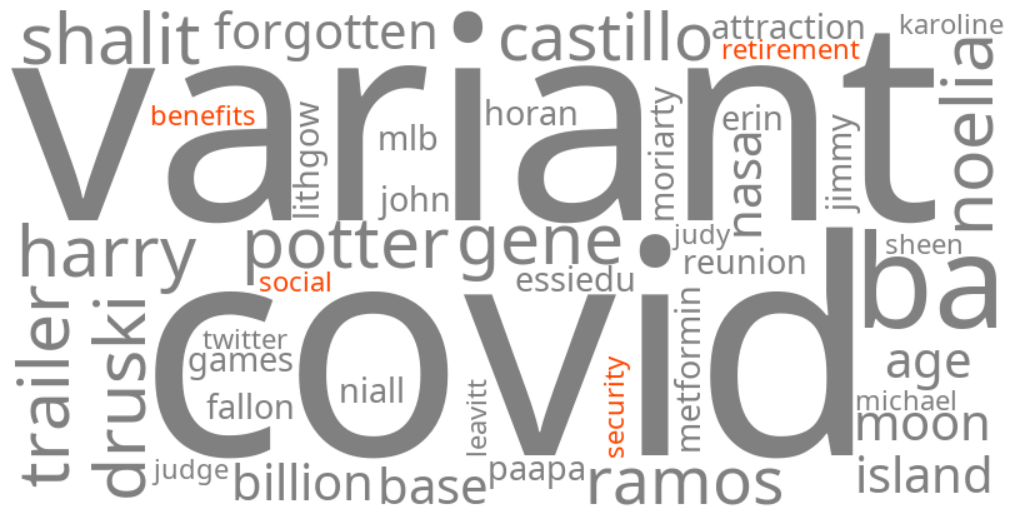
retirement benefits social security
Summary (tl;dr)
Discussions around Social Security retirement benefits are trending due to a newly projected earlier insolvency date for the program, alongside significant operational changes by the Social Security Administration and new proposals aimed at reforming the system.
Essential Background
Social Security is a vital federal program in the United States, providing retirement, disability, and survivor benefits to millions of Americans. It is primarily funded through payroll taxes. For decades, there have been ongoing concerns about the long-term financial stability, or solvency, of the program, particularly its Old-Age and Survivors Insurance (OASI) Trust Fund. The program also undergoes annual adjustments to its benefits and rules to account for inflation and economic changes.
The Full Story
"Retirement benefits Social Security" is trending today due to several concurrent developments. Most notably, the Congressional Budget Office (CBO) recently released projections in February 2026, indicating that the Social Security OASI Trust Fund could be depleted by 2032, a year earlier than previous estimates. This accelerated timeline has intensified discussions about potential benefit cuts, which could be as high as 23-24% if Congress does not act.
In response to these solvency concerns, a new proposal from the Committee for a Responsible Federal Budget (CRFB) suggests implementing a "six-figure limit" on annual Social Security benefits, capping them at $100,000 for couples and $50,000 for single retirees, to help close the funding gap. Separately, Senator Chris Van Hollen has introduced legislation to bolster Social Security's finances by increasing taxes on large inherited fortunes.
Adding to the trending interest, the Social Security Administration (SSA) implemented significant operational changes on March 7, 2026. These include a new National Appointment Scheduling Calendar and a National Workload Management system, designed to centralize and streamline claims processing and customer service amidst staffing shortages. Additionally, beneficiaries saw a 2.8% Cost-of-Living Adjustment (COLA) in January 2026, alongside other annual adjustments to taxable earnings limits and the full retirement age.
Why It Matters
The trending discussions surrounding Social Security are critical because the program serves as a primary source of income for many retirees, individuals with disabilities, and survivors. The prospect of an earlier insolvency date and potential benefit cuts directly impacts the financial security and retirement planning of millions of Americans, both current and future beneficiaries. The proposed reforms, such as benefit caps for high earners or increased taxes on inherited wealth, highlight the contentious choices policymakers face in addressing the program's long-term sustainability. Meanwhile, the SSA's operational changes could affect how individuals interact with the agency and access their benefits, potentially leading to a period of adjustment for millions of users nationwide.
Geographic Location
- Capitol Hill, Washington, D.C., District of Columbia, United States (Congressional discussions on Social Security solvency, legislative proposals, CBO report release)
- Woodlawn, Baltimore County, Maryland, United States (Social Security Administration announces and implements new national workflow management and appointment scheduling systems)