 Law and Government
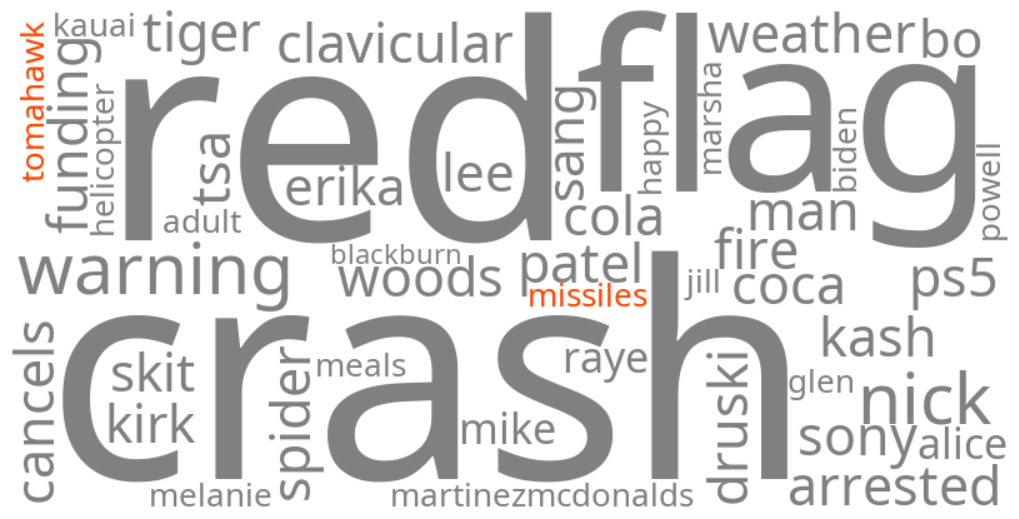
tomahawk missiles
Summary (tl;dr)
The use of Tomahawk missiles is trending due to their extensive deployment by the U.S. military in a month-long conflict with Iran, leading to concerns within the Pentagon about rapidly depleating stockpiles and the long-term sustainability of such high-intensity warfare.
Essential Background
Tensions escalated between the United States and Iran, culminating in coordinated military operations launched by the U.S. and Israel against the Iranian regime on February 28, 2026. This action, dubbed "Operation Epic Fury" by the U.S., aimed to neutralize Iran's nuclear threat, dismantle its ballistic missile capabilities, and disrupt its regional proxy networks, following a determination that diplomatic solutions had been exhausted.
The Full Story
In the four weeks since the conflict began, the U.S. military has launched over 850 Tomahawk cruise missiles against targets in Iran, including nuclear facilities, military infrastructure, and leadership sites. This significant expenditure of precision-guided munitions has sparked alarm among Pentagon officials, who are raising concerns about the rapid depletion of the U.S. Tomahawk missile inventory. Tomahawks are costly, ranging from $1.3 million to $3.6 million per missile, and take up to two years to manufacture, making their replacement a slow and expensive process. Iran has retaliated with its own missile and drone attacks against Israeli territories, U.S. military bases in the region, and Gulf Arab states, while also significantly impacting shipping through the Strait of Hormuz.
Why It Matters
The high rate of Tomahawk missile usage has critical implications for U.S. military readiness and future operations, potentially necessitating the relocation of missiles from other strategic areas like the Indo-Pacific and prompting urgent discussions about increasing production capacity. This rapid consumption challenges the sustainability of the U.S.'s long-range stand-off strike capabilities and has amplified debates within Washington regarding the financial and strategic costs of the ongoing conflict. Public opinion in the United States remains divided on the extent of military actions against Iran, with a significant portion believing they have gone too far.
Geographic Location
- Iran (U.S. military operations, Iranian counterattacks, targets including nuclear facilities, military infrastructure, and leadership, Kharg Island, Tehran, Qeshm Island)
- Middle East (U.S. operations, Iranian counterattacks, troop deployment)
- Washington, D.C., District of Columbia, United States (U.S. government decision-making, Pentagon concerns, think tank analysis)
- Israel (co-launched military operations, targeted by Iranian attacks)
- Strait of Hormuz (impacted by Iranian actions, potential U.S. military operations)
- Indian Ocean (location of U.S.-U.K. military base at Diego Garcia, targeted by Iranian missiles)