 Business and Finance
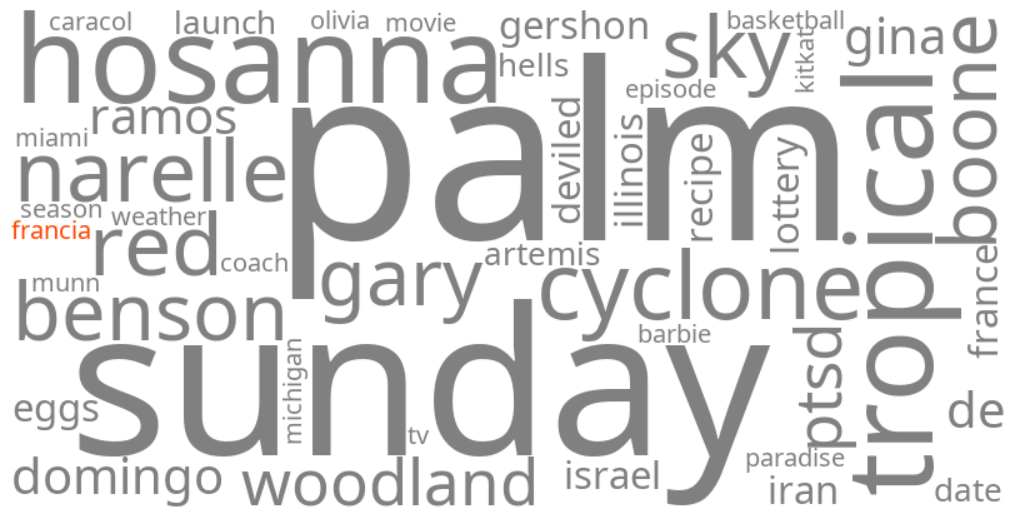
francia
Summary (tl;dr)
France's economic outlook for 2026 has been downgraded by its central bank due to escalating energy prices fueled by geopolitical tensions in the Middle East, despite the recent adoption of the national budget providing a degree of fiscal stability.
Essential Background
In late 2025 and early 2026, France's economy showed signs of resilience, with stronger-than-expected activity. However, the nation has also been grappling with a significant public deficit, leading to prolonged political debates over the 2026 national budget. Meanwhile, global geopolitical tensions, particularly in the Middle East, have been a persistent concern for energy markets and international trade.
The Full Story
"Francia" (France) is trending in business and finance news due to recent announcements from the Banque de France and warnings from its economy minister. On March 25, 2026, the French central bank lowered its 2026 economic growth forecast to 0.9%, a slight reduction from its earlier 1.0% estimate in December 2025. This downward revision is primarily attributed to a surge in energy prices and heightened geopolitical uncertainty stemming from the Middle East conflict. Inflation is also projected to rise to 1.7% in 2026, largely due to these higher energy costs.
Adding to these concerns, France's Economy Minister, Roland Lescure, issued a warning on March 24, 2026, about a potential "new oil shock" if disruptions to oil flows from the Gulf, caused by recent US and Israeli attacks on Iran, persist. This has already led to soaring oil prices and a retreat in the CAC 40 stock index, with French bond yields rising. Amidst these economic headwinds, France's 2026 budget was finally approved on March 24, 2026, after overcoming significant political deadlock and multiple no-confidence motions, bringing a measure of stability to the government's fiscal planning. Additionally, JPMorganChase announced €2.8 million in funding to support small businesses across France, aiming to improve access to capital for entrepreneurs.
Why It Matters
The revised economic forecasts and the "new oil shock" warning are significant because they indicate a potential slowdown for the French economy, with businesses and consumers likely facing increased costs due to higher energy prices. This could dampen purchasing power and reduce business investment, impacting job creation and overall economic growth. The situation highlights France's vulnerability to global energy market fluctuations and geopolitical instability, especially given its reliance on energy imports. While the budget approval provides some fiscal clarity, the underlying economic challenges pose a risk to the government's ability to reduce its deficit and maintain financial stability. Investors are closely monitoring these developments, as indicated by the widening spread between French and German government debt.
Geographic Location
- Paris, Île-de-France, France (Banque de France economic forecast announcement, government discussions on the national budget, JPMorganChase investment announcement, Verdoso headquarters)
- Middle East (region where geopolitical conflict and tensions impacting global oil supply and prices are occurring)
- Strait of Hormuz (key maritime chokepoint experiencing disruptions to oil flows)