 Other
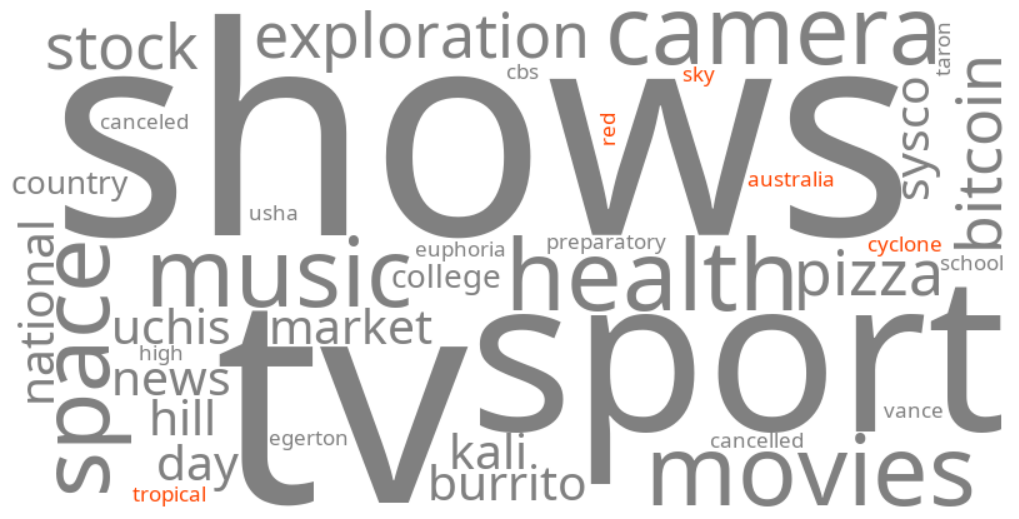
Otheraustralia tropical cyclone red sky
Summary (tl;dr)
Australians in Western Australia recently witnessed an "apocalyptic" blood-red sky due to massive dust storms triggered by the rare Tropical Cyclone Narelle, which whipped up iron-rich soil into the atmosphere.
Essential Background
Tropical cyclones are powerful rotating storms that form over warm ocean waters, bringing strong winds, heavy rainfall, and storm surges. Australia is prone to these weather systems, particularly in its northern and western coastal regions. The phenomenon of a "red sky" is a scientific process of light scattering, where atmospheric particles, typically dust or aerosols, filter out shorter blue wavelengths of light, allowing longer red and orange wavelengths to dominate, especially during sunrise or sunset.
The Full Story
In late March 2026, Tropical Cyclone Narelle, an unusually expansive storm that made landfall in three Australian jurisdictions, caused a dramatic "blood-red" sky across parts of Western Australia. As Narelle approached the coast, its intense winds generated massive dust storms, lifting vast quantities of the region's rust-red, iron-rich soil into the atmosphere. This dense concentration of iron oxide particles scattered blue light and allowed red light to pass through, creating an "eerie," "apocalyptic," and "otherworldly" crimson glow over areas like Shark Bay, Denham, Karratha, and the Pilbara region. The visual spectacle, which occurred primarily around March 27-29, left residents stunned and quickly gained widespread attention online, with many initially questioning the authenticity of the images due to their intense coloration.
Why It Matters
The trending keywords reflect public fascination and concern over this rare and visually striking natural phenomenon. The "blood-red" skies were an unsettling prelude to Tropical Cyclone Narelle, a historically significant storm system that battered the continent and, though downgraded to a subtropical storm, still posed risks of flash flooding. Beyond the unusual aesthetics, the event highlights the powerful interplay between extreme weather and geology, as the cyclone's strength combined with the unique iron-rich soils of Western Australia to create the intense crimson haze. The event also drew attention to the broader impacts of such cyclones, which can affect local infrastructure, air quality, and global supply chains due to potential disruptions to industries like liquefied natural gas.
Geographic Location
- Denham, Western Australia, Australia (witnessed blood-red sky caused by dust storm ahead of Tropical Cyclone Narelle)
- Shark Bay, Western Australia, Australia (region experiencing blood-red skies due to cyclone-driven dust ahead of Tropical Cyclone Narelle)
- Karratha, Western Australia, Australia (experienced red sky phenomenon ahead of Tropical Cyclone Narelle)
- Pilbara region, Western Australia, Australia (region experiencing red skies due to cyclone-driven dust ahead of Tropical Cyclone Narelle)