 Business and Finance
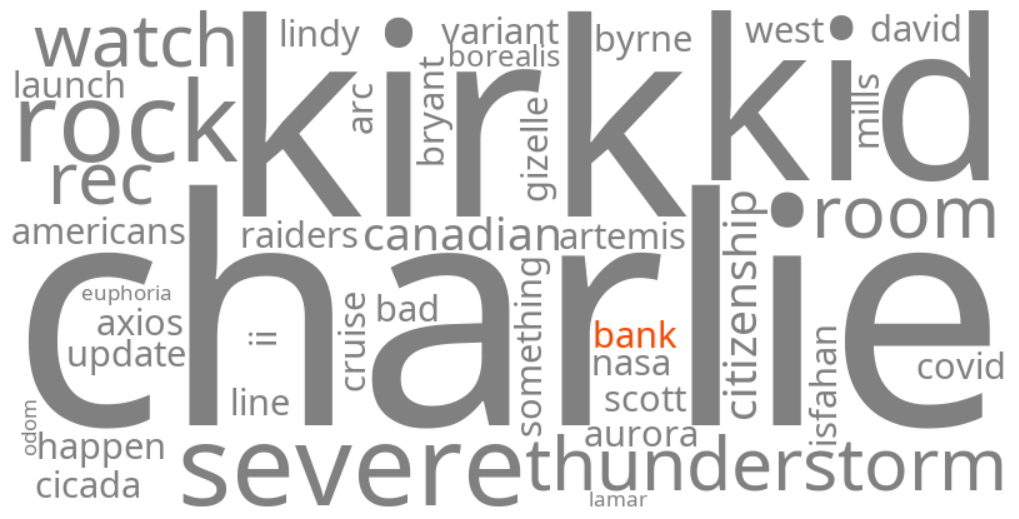
bank
Summary (tl;dr)
Global financial markets are closely watching central bank decisions on interest rates, as geopolitical tensions and inflation concerns lead to varied monetary policies worldwide. Simultaneously, the U.S. banking sector is navigating recent regulatory shifts, including a new policy allowing private equity firms to acquire failed banks, following a recent bank failure in Chicago.
Essential Background
The global economy has been grappling with persistent inflation and fluctuating economic growth in recent years. Central banks, like the U.S. Federal Reserve and the European Central Bank (ECB), have been adjusting interest rates to stabilize prices while supporting economic activity. In the U.S., 2025 saw a significant overhaul of banking regulations under new leadership, particularly concerning digital assets and capital requirements. This period also included several bank failures in the U.S., prompting a re-evaluation of resolution strategies.
The Full Story
"Bank" is trending as major central banks worldwide continue to issue critical monetary policy decisions in early 2026. The U.S. Federal Reserve recently opted to keep interest rates unchanged amidst uncertainty surrounding the impact of the ongoing conflict in the Middle East on the economy and revised inflation forecasts. Similarly, the European Central Bank (ECB) also maintained its key interest rates, citing the Middle East conflict as a source of significant uncertainty and upward risk to inflation. These decisions highlight a cautious approach by central banks as they balance inflationary pressures, economic growth, and global geopolitical risks.
In the United States, the banking landscape is also experiencing notable shifts. January 2026 saw the first U.S. bank failure of the year with Metropolitan Capital Bank & Trust in Chicago. In a significant development in March 2026, the Federal Deposit Insurance Corporation (FDIC) announced a policy change, opening the door for private equity firms to bid on failed banks. This move aims to potentially reduce resolution costs and was prompted by lessons learned from the regional bank crisis of 2023. The broader U.S. banking sector is also preparing for the execution of regulatory reforms initiated in 2025, which focused on areas like digital assets and capital reform.
Why It Matters
These developments are crucial for individuals and businesses alike. Central bank interest rate decisions directly influence borrowing costs for mortgages, loans, and business investments, impacting consumer spending and overall economic growth. The cautious stance by central banks signals ongoing economic volatility and the potential for continued adjustments in financial conditions.
The changes in U.S. banking regulation and the FDIC's new policy on failed banks could reshape the financial industry, affecting how banks operate, merge, or are resolved in times of distress. For depositors, the FDIC's role remains central to maintaining confidence in the banking system, ensuring insured funds are protected even in the event of a bank failure. Globally, these trends contribute to an evolving economic outlook, with various financial institutions forecasting different growth trajectories and potential risks for 2026.
Geographic Location
- Washington, D.C., District of Columbia, United States (Federal Reserve FOMC meetings and policy announcements)
- Frankfurt, Hesse, Germany (European Central Bank interest rate decisions)
- Chicago, Cook County, Illinois, United States (Metropolitan Capital Bank & Trust failure)