 Other
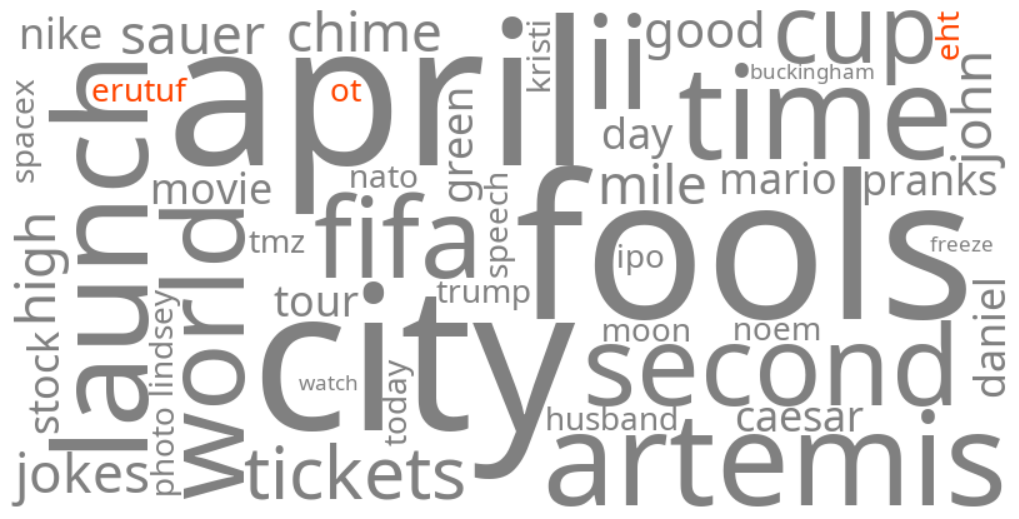
Othereht ot erutuf
Summary (tl;dr)
Google search trends indicate a spike in interest for New York Times puzzle games, "Connections" and "Wordle," on April 1, 2026, due to embedded April Fool's Day tricks, notably a reversed phrase "eht ot erutuf" in "Connections" and a challenging "Wordle" solution.
Essential Background
The New York Times Games, featuring popular daily word puzzles like "Wordle" and "Connections," are widely enjoyed for their engaging mental challenges. "Connections" requires players to identify commonalities between 16 words to form four groups, while "Wordle" tasks users with guessing a five-letter word in a limited number of attempts. These puzzles frequently integrate current events or thematic elements into their daily challenges.
The Full Story
On April 1, 2026, which is April Fool's Day, searches for terms such as "connections answers," "wordle april 1 2026," and "connections hint april 1" surged as players encountered deliberate pranks within the New York Times' daily puzzles. Notably, the "Connections" puzzle (#1025) included "BACK TO THE FUTURE" as one of its "MOVIES" categories, directly correlating with the trending, backward-spelled keyword "eht ot erutuf" (meaning "the future"), a clear April Fool's Day misdirection. Simultaneously, the "Wordle" answer (#1747) for the day was "FIZZY," described by some sources as an "April Fools' joke" due to its difficulty or unusual letter combination. Other New York Times puzzles, including the Mini Crossword and Strands, also featured April Fool's Day twists, such as clues composed of repeating letters and a particularly long, playful spangram "SHHHHHHHHHHHH" in Strands.
Why It Matters
The trending keywords underscore the broad appeal and daily engagement with the New York Times' puzzle offerings. The intentional inclusion of April Fool's Day-themed content adds an extra layer of complexity and humor, often prompting players to seek hints and answers online. This collective problem-solving and shared experience contribute to the puzzles' cultural significance and their consistent presence in daily online discussions and search trends.
Geographic Location
- New York City, New York, United States (origin of New York Times Games and puzzle publication)