 Climate
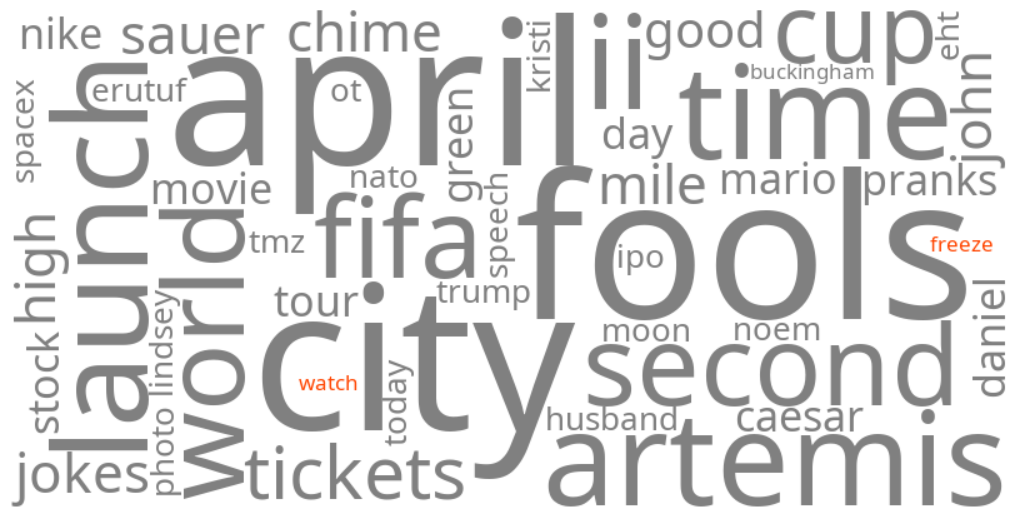
freeze watch
Summary (tl;dr)
Multiple regions across the central and eastern United States are experiencing unusual late-season cold snaps and "freeze watch" warnings, primarily due to a lingering disrupted polar vortex, posing a significant threat to early spring vegetation and crops.
Essential Background
The persistent cold weather currently affecting parts of North America can be traced back to a significant meteorological event earlier in 2026. A sudden stratospheric warming (SSW) event at the beginning of the year caused a rare split and southward migration of the polar vortex, a swirling mass of icy air normally confined to the North Pole. This disruption led to a major North American cold wave in January and February, bringing bitterly cold temperatures to Canada, the United States, Mexico, and Central America, with snow reaching as far south as Texas and Florida. While the deepest cold has passed, remnants of this atmospheric anomaly have continued to influence weather patterns, leading to volatile temperature swings and a delayed onset of true spring in many areas.
The Full Story
As of early April 2026, "freeze watch" and "freeze warning" alerts are trending as a series of unseasonably cold fronts continue to impact wide swaths of the United States. A late-season winter storm is forecast to bring widespread freezing rain, sleet, and heavy snow to the Upper Midwest and Great Lakes region from April 1 through April 3, with Ice Storm Warnings in parts of Wisconsin and eastern Minnesota, and significant snowfall in the Dakotas and northern Minnesota. Concurrently, a "Freeze Watch" has been issued for the Four Corners region in southwest Colorado, threatening newly emerged spring plantings with overnight lows plummeting to 27 degrees Fahrenheit.
Further east, communities in South Carolina experienced "freeze alerts" in mid-March, with temperatures dropping into the 20s and 30s, approximately 10 to 15 degrees below average. Freeze Warnings were also issued for parts of Kentucky, southern Indiana, southern Illinois, and southeast Missouri in late March, with temperatures falling to between 24 and 29 degrees Fahrenheit. Eastern North Carolina, including Mainland Dare and Hyde Counties, faced similar "Freeze Warnings" as temperatures dropped to 32 degrees Fahrenheit, posing a risk to sensitive vegetation and outdoor plumbing. These recurring cold snaps are causing widespread concern among farmers and gardeners who are grappling with the impacts of a "false spring" – brief warm spells followed by damaging freezes.
Why It Matters
The continued "freeze watch" trend is significant due to its direct impact on agriculture, infrastructure, and daily life. Early warm spells have already encouraged tender plants to sprout, making them highly vulnerable to sudden drops in temperature. Farmers and gardeners face the risk of substantial crop damage, which could lead to economic losses and potentially affect local food supplies. Beyond agriculture, freezing conditions can cause costly damage to unprotected outdoor plumbing and increase energy consumption for heating. The erratic weather patterns, characterized by an extended period of cold into meteorological spring, also highlight the complex and far-reaching effects of atmospheric phenomena like the polar vortex on regional climates.
Geographic Location
- Four Corners region (Durango, Cortez, Pagosa Springs, Mancos, Dove Creek), Southwest Colorado, United States (Freeze Watch issued, threatening early spring plantings)
- Central and North-Central Wisconsin (Portage, Wood, Waupaca, Marathon, Shawano, Langlade, Lincoln, Menominee counties), Wisconsin, United States (Ice Storm Warnings from late-season winter storm)
- Northern and Northeastern Wisconsin (Vilas, Oneida counties), Wisconsin, United States (Winter Storm Warnings from late-season winter storm)
- Eastern Minnesota, United States (Ice accumulations from late-season winter storm)
- North Dakota, United States (Heavy snowfall and blowing snow from late-season winter storm)
- South Dakota, United States (Heavy snowfall and blowing snow from late-season winter storm)
- Northern Minnesota, United States (Heavy snowfall and blowing snow from late-season winter storm)
- South Carolina, United States (Statewide Freeze Warnings due to cold snap)
- Mainland Dare and Hyde Counties, Eastern North Carolina, United States (Freeze Warning issued, threatening crops and outdoor plumbing)
- Kentucky, United States (Freeze Warnings issued)
- Southern Indiana, United States (Freeze Warnings issued)
- Southern Illinois (Jackson, Williamson, Saline, Union, Franklin counties), Illinois, United States (Freeze Warnings issued)
- Southeast Missouri (Perry, Bollinger, Cape Girardeau, Scott, Wayne counties), Missouri, United States (Freeze Warnings issued)