 Other
Otherpascua
Summary (tl;dr)
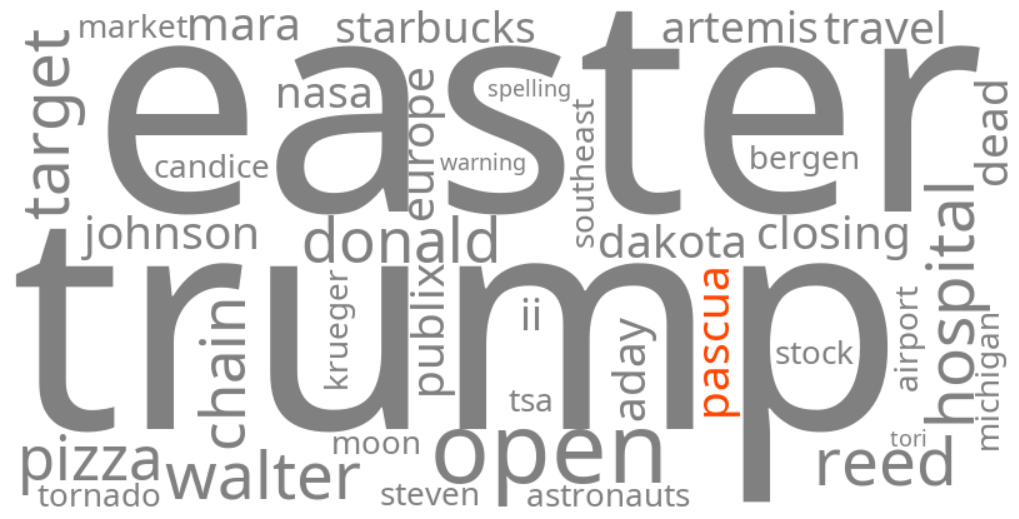
The keyword "Pascua" is trending globally today, April 5, 2026, as it marks Easter Sunday for many Christians worldwide, commemorating the resurrection of Jesus Christ.
Essential Background
Easter, also known as Resurrection Sunday or Pascha, is a pivotal Christian holiday. Its date is not fixed on the Gregorian calendar but is determined by a lunisolar calendar, falling on the first Sunday after the first full moon on or after the spring equinox. This calculation method was established by the Council of Nicaea in 325 A.D.. Leading up to Easter, Christians observe Lent, a 40-day period of fasting and prayer, followed by Holy Week, which includes Palm Sunday, Maundy Thursday, Good Friday, and Holy Saturday.
The Full Story
Today, April 5, 2026, marks Easter Sunday for Western Christian denominations, including Catholic and Protestant churches, which primarily follow the Gregorian calendar. The term "Pascua" is the Spanish word for Easter, hence its prominence in trending searches, particularly in Spanish-speaking regions and communities. This day is celebrated to commemorate the resurrection of Jesus Christ from the dead, a central tenet of the Christian faith. While many celebrate today, Eastern Orthodox Christians, who follow the Julian calendar, will observe Easter a week later, on April 12, 2026.
Why It Matters
Easter is one of the most significant days in the Christian faith, symbolizing hope, renewal, and the triumph over death. The trending interest in "Pascua" reflects the global observance of this religious holiday, impacting millions as they engage in religious services, family gatherings, and traditional customs. Although not a federal holiday in the U.S., many businesses operate with reduced hours, and schools are often closed for an Easter break, highlighting its cultural and societal impact.
Geographic Location
None