 Politics
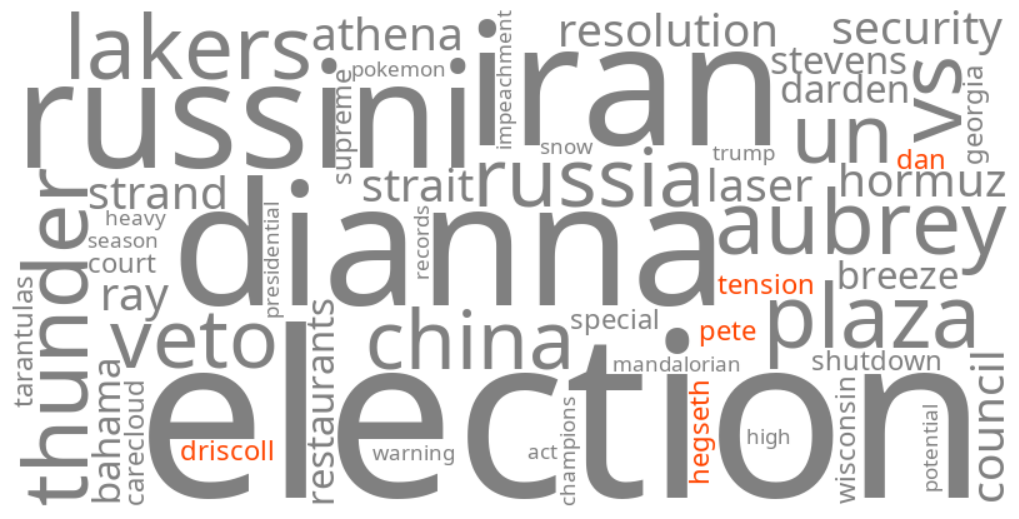
pete hegseth dan driscoll tension
Summary (tl;dr)
A significant power struggle is unfolding within the Pentagon between Secretary of War Pete Hegseth and Army Secretary Dan Driscoll, stemming from ideological clashes, disagreements over military leadership appointments, and Hegseth's alleged paranoia that Driscoll seeks to replace him. The tension escalated recently with Driscoll's public statement that he has no intention of resigning, despite Hegseth's actions, including the abrupt dismissal of senior Army officers perceived to be close to Driscoll.
Essential Background
Pete Hegseth, a former Fox News co-host and conservative commentator, was sworn in as the 29th Secretary of Defense on January 25, 2025, a department later renamed the Department of War on September 5, 2025. Known for his strong conservative viewpoints, Hegseth has been a vocal critic of "woke" culture and diversity, equity, and inclusion (DEI) initiatives within the military, advocating for a "reclamation" of the armed forces. Daniel Driscoll, an Army veteran, lawyer, and businessman with close ties to Vice President JD Vance, became the 26th Secretary of the Army on February 25, 2025. Driscoll, who is also the acting director of the Bureau of Alcohol, Tobacco, Firearms and Explosives, has been praised by the White House for his diplomatic efforts, particularly in relation to the Iran war and Ukraine peace talks.
The Full Story
The current keywords are trending due to escalating internal clashes between Secretary Hegseth and Secretary Driscoll, particularly following Driscoll's recent public assertion that he will not resign amidst the ongoing friction. Reports indicate a deepening rift characterized by Hegseth's attempts to consolidate power and remove military officers he perceives as disloyal. This includes Hegseth blocking promotions of several Army officers and seeking to remove Army Chief of Staff Gen. Randy George, efforts that Driscoll had reportedly resisted, emphasizing that "merit should speak for itself." Last week, General George and two other senior military leaders were abruptly ousted, which officials suggest was driven by Hegseth's "paranoia" that Driscoll is a potential successor and by his targeting of individuals close to Driscoll. Vice President JD Vance, a close friend of Driscoll, was reportedly approached by Driscoll for assistance as tensions mounted. While Hegseth's office publicly downplays any friction, other Pentagon officials dispute this characterization, and Hegseth's spokesman, Sean Parnell, has privately expressed interest in Driscoll's position.
Why It Matters
The public tension between two high-ranking officials within the Department of War highlights significant power struggles and ideological divisions within the current administration regarding military leadership and policy. Hegseth's efforts to remove officers and block promotions are seen by some as an attempt to politicize the military and reshape it according to his conservative agenda, potentially undermining institutional stability and morale. Conversely, Driscoll's resistance is viewed as an effort to protect the Army from political interference and uphold meritocratic principles. This internal discord, particularly amidst ongoing international conflicts like the war in Iran and Ukraine peace efforts, could raise concerns about the coherence and effectiveness of U.S. defense policy and military readiness. The dynamic also underscores the influence of key political figures like Vice President JD Vance, given his close relationship with Driscoll.
Geographic Location
- Pentagon, Arlington, Virginia, United States (internal clashes, personnel decisions, and official statements by high-ranking defense officials)
- Washington, D.C., District of Columbia, United States (broader context of military leadership decisions and political influence, including incidents highlighting ideological clashes over appointments)