 Health
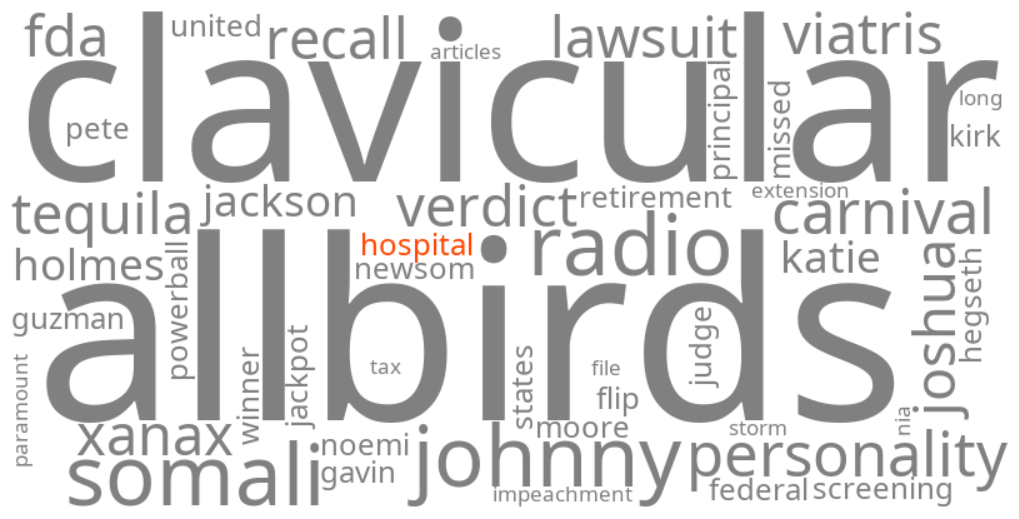
hospital
Summary (tl;dr)
Hospitals are trending due to widespread financial strain, persistent workforce shortages, and mounting concerns over affordability and access to care, all exacerbated by ongoing policy shifts and rising operational costs.
Essential Background
The healthcare system, particularly hospitals, has been under significant pressure for several years, intensified by the lingering effects of the pandemic which accelerated issues like workforce burnout and increased operational costs. These challenges have set the stage for a "new normal" marked by financial instability and staffing crises across the industry.
The Full Story
"Hospital" is trending today as new reports and analyses underscore the critical financial and operational challenges facing healthcare providers in early 2026. Recent "National Hospital Flash Reports" from Kaufman Hall indicate that hospital operating margins remain tenuous due to escalating expenses, increasing bad debt, and a shifting payer mix, with revenues pressured by an erosion of commercial insurance in favor of government reimbursement. Simultaneously, the healthcare industry continues to grapple with severe workforce shortages across all roles, from bedside clinicians to leadership, leading to widespread burnout, high turnover, and an increased reliance on expensive contract labor. This confluence of factors is leading to public concerns about healthcare affordability and access, as well as intensified policy debates about the future of hospital funding and services.
Why It Matters
The ongoing financial and staffing crises directly impact patients through delayed care, longer wait times, and potentially compromised safety standards. For healthcare workers, it translates to increased workload, moral distress, and burnout. The stability of hospitals is crucial for public health, especially for high-acuity cases, and their financial distress poses significant economic implications for communities and the broader healthcare sector. Furthermore, looming policy changes, such as the expiration of enhanced Affordable Care Act (ACA) subsidies and anticipated Medicaid reductions, could further exacerbate these issues, impacting millions of Americans' access to affordable care.
Geographic Location
- Washington, D.C., District of Columbia, United States (discussions and analyses by United States of Care and American Hospital Association regarding national healthcare predictions and workforce challenges)
- Chicago, Cook County, Illinois, United States (publication of Kaufman Hall's National Hospital Flash Reports, analyzing financial and operational data from over 1,300 U.S. hospitals)