 Business and Finance
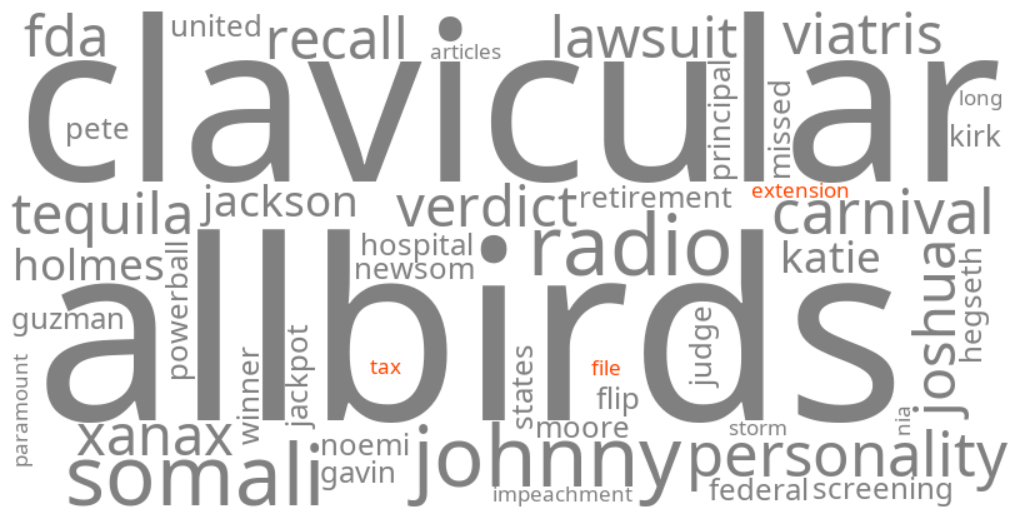
file tax extension
Summary (tl;dr)
Today, April 15, 2026, is the federal income tax filing deadline for the 2025 tax year, prompting a surge in searches for "file tax extension" as taxpayers seek to extend their filing time to October 15, 2026.
Essential Background
In the United States, individual taxpayers are generally required to file their federal income tax returns with the Internal Revenue Service (IRS) annually, reporting their income and calculating any taxes owed or refunds due. The typical deadline for this filing is April 15th for the previous calendar year's income. If this date falls on a weekend or holiday, the deadline shifts to the next business day.
The Full Story
As today, April 15, 2026, marks the official federal tax filing deadline for the 2025 tax year, many taxpayers are actively searching for information on how to "file tax extension" and related terms. An extension provides an automatic six-month grace period to submit the completed tax return, pushing the filing deadline to October 15, 2026. Taxpayers can request this extension by filing IRS Form 4868, either electronically through IRS Free File, tax software providers, or by mail. However, it's crucial for individuals to understand that while an extension grants more time to file their return, it does not extend the time to pay any taxes owed. Any estimated tax payments are still due by today's April 15th deadline to avoid potential penalties and interest.
Why It Matters
Missing the tax filing deadline without an extension, especially when taxes are owed, can lead to penalties for both late filing and late payment, along with accrued interest. The failure-to-file penalty is typically 5% of the unpaid taxes for each month or part of a month the return is late, up to a maximum of 25%, while the failure-to-pay penalty is 0.5% of the unpaid tax per month, also up to 25%. Even if a refund is expected, filing an extension can be a prudent step to avoid any unforeseen issues, although there is generally no penalty for filing late if no tax is owed. The high volume of searches indicates a significant number of taxpayers are taking proactive steps to comply with tax regulations and avoid financial repercussions.
Geographic Location
- United States (primary federal tax filing and extension activities handled by the IRS)