 Other
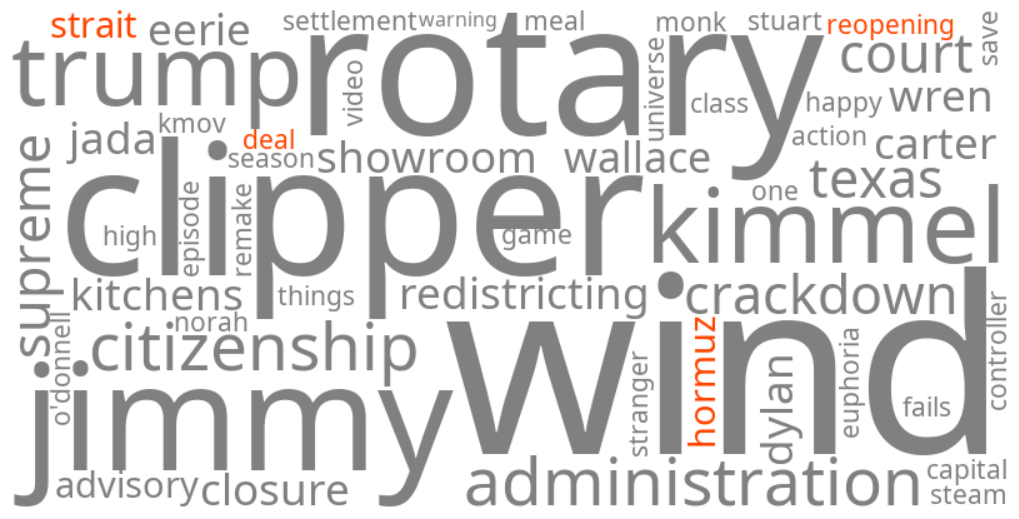
Otherstrait of hormuz reopening deal
Summary (tl;dr)
Iran has proposed a deal to reopen the strategically vital Strait of Hormuz and end the ongoing conflict with the United States and Israel, though it seeks to delay nuclear negotiations. The Strait has been largely closed since late February 2026 due to escalating hostilities, severely impacting global oil and gas trade.
Essential Background
Tensions in the Middle East escalated significantly on February 28, 2026, when the United States and Israel launched airstrikes against Iran, targeting military sites, government facilities, and assassinating Iran's Supreme Leader Ali Khamenei. In retaliation, Iran responded with missile and drone attacks against Israel, US military bases, and US-allied Gulf states, and critically, closed the Strait of Hormuz to most commercial shipping. This closure, a major maritime choke point for global energy trade, was a direct consequence of the ongoing conflict and Iran's stated intention to forbid passage. Prior to this, the strait was a crucial transit point for about 25% of the world's seaborne oil trade and 20% of global liquefied natural gas (LNG).
The Full Story
The keyword "strait of hormuz reopening deal" is trending today, April 27, 2026, because Iran has reportedly offered a proposal to the United States to reopen the Strait of Hormuz and end the current conflict, with the condition of deferring negotiations on its nuclear program to a later stage. This offer comes after weeks of effective closure of the strait by Iran and a subsequent US naval blockade of Iranian ports, creating a "dual blockade" scenario. Diplomatic efforts, largely mediated by Pakistan, have been underway to reach a resolution, though earlier talks in Islamabad in mid-April failed. US President Donald Trump has expressed reluctance to accept a deal that doesn't address Iran's nuclear ambitions, while Iran's Foreign Minister Abbas Araghchi has been engaging in a diplomatic tour, including visits to Oman and Russia, to secure broader support for the proposal. The United Nations maritime agency has stated there is "no legal basis" for Iran to impose tolls or fees for passage through the strait, a condition Iran has reportedly sought as part of any lasting peace deal.
Why It Matters
The closure of the Strait of Hormuz has had a profound impact on the global economy, leading to the largest disruption in world energy supply since the 1970s energy crisis. Oil prices have surged, with Brent crude surpassing $100 per barrel in early March 2026 and peaking at $126, significantly affecting consumers and global markets. The ongoing blockade has left thousands of mariners and ships stranded in the Persian Gulf, and shipping companies have been forced to reroute vessels via the Cape of Good Hope, adding significant costs and transit times. The trending keywords reflect global anxiety and hope for a resolution to this critical geopolitical and economic crisis, as the world awaits whether a deal can be struck to restore stability to this vital waterway.
Geographic Location
- Strait of Hormuz, Persian Gulf (closure of the strait and military standoff)
- Tehran, Tehran Province, Iran (US-Israeli airstrikes, Iranian counter-strikes)
- Minab, Hormozgan Province, Iran (US-Israeli strikes that killed civilians at a girls' school)
- Islamabad, Pakistan (failed peace talks and mediation efforts)
- Muscat, Oman (diplomatic consultations by Iranian Foreign Minister)
- St. Petersburg, Russia (Iranian Foreign Minister's meeting with Russian President)
- Washington, D.C., District of Columbia, United States (US President's statements and policy decisions regarding the conflict)
- Bahrain (Iranian missile and drone attacks on US military bases and US-allied Gulf states)
- Jordan (Iranian missile and drone attacks on US military bases)
- Kuwait (Iranian missile and drone attacks on US military bases and US-allied Gulf states)
- Qatar (Iranian missile and drone attacks on US military bases and US-allied Gulf states)
- Saudi Arabia (Iranian missile and drone attacks on US military bases and US-allied Gulf states)
- United Arab Emirates (Iranian missile and drone attacks on US military bases and US-allied Gulf states)
- Lebanon (escalation of conflict between Hezbollah and Israel)
- Akrotiri, British Overseas Territory of Akrotiri and Dhekelia, Cyprus (drone strike on British military base)
- Turkey (missiles shot down over the country)
- Azerbaijan (civilian infrastructure struck)