 Other
Othernational park
Summary (tl;dr)
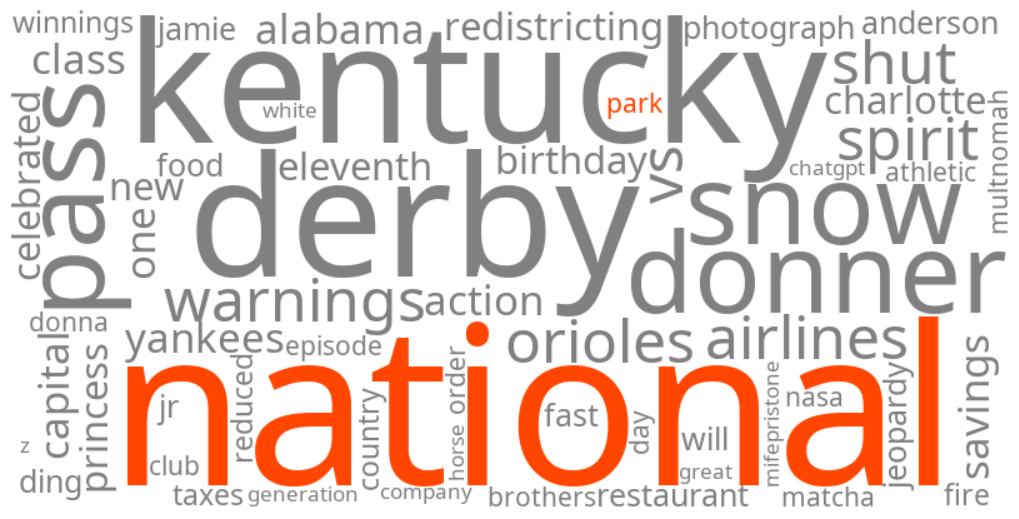
"National park" is trending due to the start of the peak spring and summer travel season, coinciding with significant changes in visitor access policies for 2026, including the elimination or scaling back of timed entry reservations at several popular parks and a new digital pass and fee structure.
Essential Background
National Parks are protected areas renowned for their natural beauty, attracting millions of visitors annually. In recent years, due to increasing popularity, many parks, especially high-visitation ones, implemented timed entry reservation systems to manage crowds and protect resources. Access to these parks typically involves fees, and the "America the Beautiful" pass has been a long-standing option for frequent visitors.
The Full Story
Interest in "national park" is trending as early May marks the onset of the peak visitation period for many U.S. national parks, with warmer weather, blooming wildflowers, and active wildlife drawing travelers. A significant factor contributing to this surge in interest is the National Park Service's decision to either eliminate or scale back timed entry reservation systems for 2026 at several highly popular destinations, including Arches, Glacier, Yosemite, and Mount Rainier National Parks, aiming to expand public access. Conversely, Rocky Mountain National Park will maintain its timed entry system for the upcoming peak season.
Further impacting visitor interest are new federal policies, effective January 1, 2026, that introduce digital "America the Beautiful" passes and a revised fee structure. These changes notably include higher costs for international visitors and designated fee-free days exclusively for U.S. citizens and permanent residents, policies which have garnered both support for park funding and concern from international tourism operators.
Specific park events and news also contribute to the trending keyword. The National Park Service has extended the public comment period for a study evaluating the potential designation of portions of the Los Angeles coastline as a unit of the National Park System. Additionally, Congaree National Park is holding a lottery for its popular synchronized firefly viewing event in mid-May 2026, and the North Rim of Grand Canyon National Park is set to reopen on May 15, 2026, following seasonal closure and recovery efforts from the 2025 Dragon Bravo Fire. Several national parks in Utah, including Arches, Zion, Bryce Canyon, Capitol Reef, and Canyonlands, also reported record visitation numbers in March 2026.
Why It Matters
The heightened interest in national parks reflects a strong public desire for outdoor experiences. The removal or reduction of timed entry systems at key parks aims to improve accessibility but could also lead to increased congestion and management challenges during peak times, impacting visitor experience and resource preservation. The new fee structure, particularly its differentiated pricing for international visitors, is a significant shift in funding strategy, intended to ensure U.S. taxpayers receive greater benefit while generating revenue for park maintenance. These changes collectively shape the future of how national parks are accessed, experienced, and sustained for generations to come.
Geographic Location
- Washington, D.C., District of Columbia, United States (Department of the Interior announcements on national park access and fees)
- Los Angeles coastline (Will Rogers State Beach south to Torrance Beach), Los Angeles County, California, United States (public comment period extended for a study on potential national park designation)
- Congaree National Park, South Carolina, United States (synchronized firefly viewing lottery)
- North Rim, Grand Canyon National Park, Coconino County, Arizona, United States (reopening on May 15, 2026, after seasonal closure and fire recovery efforts)
- Arches National Park, Grand County, Utah, United States (record March visitation, no timed entry reservation system for 2026)
- Glacier National Park, Flathead County and Glacier County, Montana, United States (scaled-back vehicle reservation system for 2026)
- Yosemite National Park, Mariposa County, California, United States (no timed entry reservation system for 2026)
- Mount Rainier National Park, Pierce County and Lewis County, Washington, United States (no timed entry reservation system for 2026)
- Rocky Mountain National Park, Larimer County and Grand County, Colorado, United States (retaining timed entry reservation system for 2026)
- Zion National Park, Washington County and Iron County, Utah, United States (record March visitation)
- Bryce Canyon National Park, Garfield County, Utah, United States (record March visitation and "Prairie Dog Day" event on May 7, 2026)
- Capitol Reef National Park, Wayne County, Utah, United States (record March visitation)
- Canyonlands National Park, Grand County and San Juan County, Utah, United States (record March visitation)