 Other
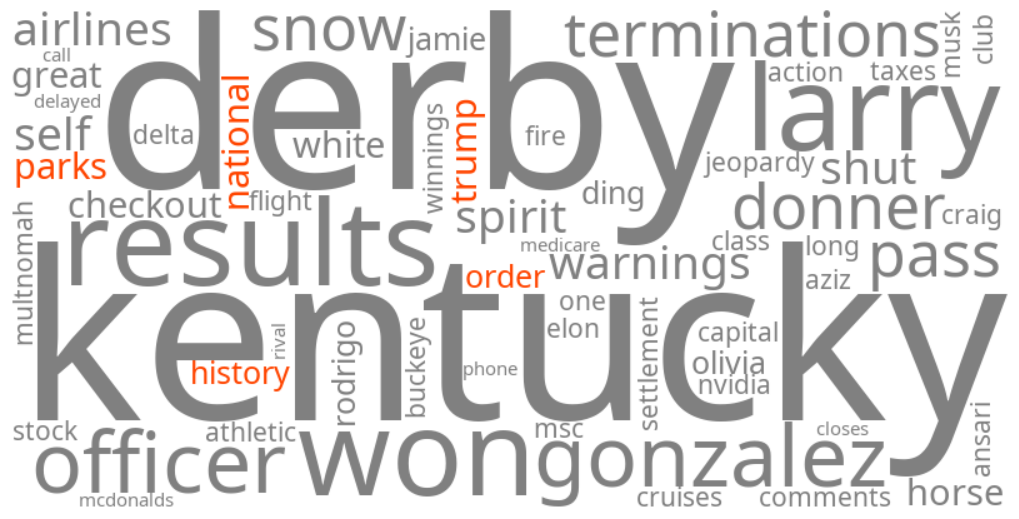
Othertrump national parks history order
Summary (tl;dr)
Recent actions by the Trump administration are causing a stir over national parks, as new policies aim to reshape historical narratives, potentially shrink protected lands, and introduce significantly higher fees for international visitors, alongside concerns about staffing and budget cuts.
Essential Background
During his first term, President Donald Trump signed the Great American Outdoors Act, a significant conservation funding bill, but also stirred controversy by drastically reducing the size of Bears Ears and Grand Staircase-Escalante National Monuments in Utah. These reductions were later reversed by President Joe Biden. Critics at the time also raised concerns about budget cuts and a perceived shift in the administration's approach to public lands.
The Full Story
Currently, the Trump administration, in its second term, is implementing new policies and executive orders that are once again sparking debate over the future of national parks and monuments. A March 2025 executive order directed the Interior Department to remove information deemed to promote a "corrosive ideology" that condemns American history, leading to the removal of signs and exhibits at multiple national park sites pertaining to topics such as slavery, Native American history, LGBTQ+ history, and climate change.
Additionally, officials are considering scaling back at least six national monuments across the West, including Baaj Nwaavjo I'tah Kukveni-Ancestral Footprints of the Grand Canyon, Ironwood Forest, Chuckwalla, Organ Mountains-Desert Peaks, Bears Ears, and Grand Staircase-Escalante, to promote energy development on public lands. This move has reignited legal challenges and protests.
Effective January 1, 2026, new fee structures have been implemented, significantly increasing the cost of annual passes for international visitors to $250, compared to $80 for U.S. residents. International visitors without an annual pass also face a $100 per-person surcharge at 11 of the busiest national parks. This policy aims to prioritize American visitors and address maintenance backlogs but has caused distress for tourism businesses. Compounding these changes are ongoing budget cuts and staffing shortages within the National Park Service, with nearly a quarter of its permanent workforce having departed since January 2025, raising concerns about the parks' operational capacity, maintenance, and visitor experience, especially as the country heads into peak tourist season and prepares for its 250th anniversary.
Why It Matters
These trending keywords reflect significant concerns over the long-term management and interpretation of America's natural and cultural heritage. The potential reduction of national monuments could open up protected lands to increased fossil fuel and mineral extraction, raising environmental worries and sparking intense legal and political battles over presidential authority under the 1906 Antiquities Act. The directive to alter historical narratives within national parks is seen by critics as an attempt to "censor history" and downplay less favorable aspects of the nation's past, potentially impacting how millions of visitors understand American history. The new tiered fee system for international visitors, while intended to fund maintenance and prioritize American access, has drawn criticism for potentially harming the tourism economy in gateway communities. Furthermore, substantial staffing and budget cuts threaten the National Park Service's ability to maintain infrastructure, provide essential services, and protect the very resources it is mandated to conserve.
Geographic Location
- Washington, D.C., District of Columbia, United States (Location of executive orders, Interior Department directives, and budget proposals; location of lawsuits challenging administration actions)
- Utah, United States (Bears Ears National Monument and Grand Staircase-Escalante National Monument previously and currently under review for reduction; site of initial reductions and subsequent reversals; legal challenges)
- Arizona, United States (Baaj Nwaavjo I'tah Kukveni-Ancestral Footprints of the Grand Canyon, Ironwood Forest, Chuckwalla National Monument - monuments under review for reduction)
- California, United States (Chuckwalla National Monument, Sáttítla Highlands - monuments under review for reduction; Muir Woods National Monument, Yosemite National Park - parks affected by censorship and staffing concerns)
- New Mexico, United States (Organ Mountains-Desert Peaks National Monument - monument under review for reduction)
- Wyoming, United States (Grand Teton National Park - park affected by removal of historical markers)
- New York, United States (Stonewall National Monument, Jamaica Bay Wildlife Refuge - parks affected by removal of historical content)
- Maine, United States (Acadia National Park - park affected by removal of climate change information and increased fees for non-residents)
- Florida, United States (Everglades National Park - park affected by increased fees for non-residents)
- Montana, United States (Glacier National Park - park affected by increased fees for non-residents)
- Colorado, United States (Rocky Mountain National Park - park affected by increased fees for non-residents)
- Nevada, United States (Lake Mead National Recreation Area - park affected by removal of climate change information)
- Hawaii, United States (Hawai'i Volcanoes National Park - park affected by removal of climate change information)
- Louisiana, United States (Jean Lafitte National Historical Park and Preserve - park affected by removal of climate change information)