 Law and Government
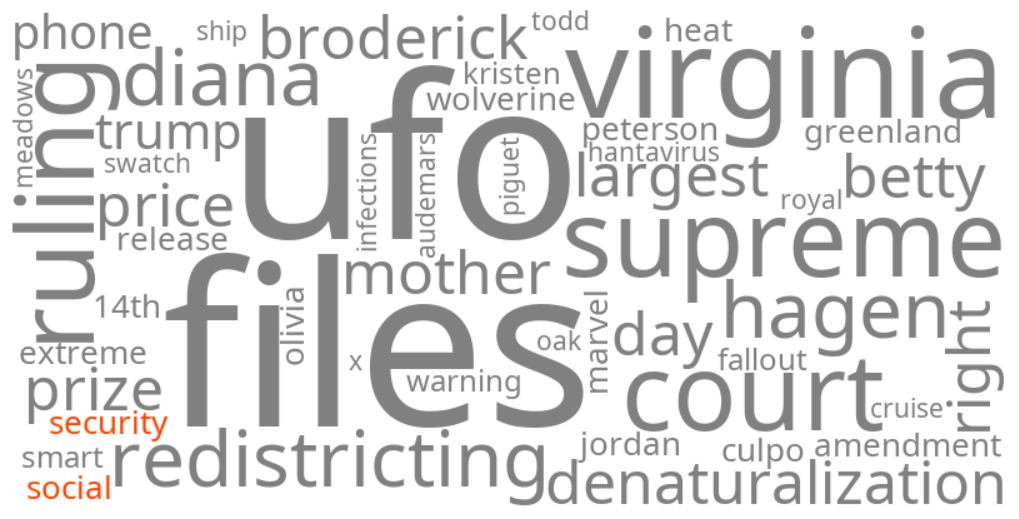
social security
Summary (tl;dr)
"Social Security" is trending due to confusion over the May 2026 payment schedule, a recently implemented Cost-of-Living Adjustment (COLA) that many beneficiaries feel is insufficient against rising costs, and persistent worries about the program's long-term financial solvency.
Essential Background
Social Security is a federal program in the United States that provides retirement, disability, and survivor benefits to millions of Americans. It is primarily funded through payroll taxes (FICA taxes) paid by workers and employers, which are then directed into two main trust funds: the Old-Age and Survivors Insurance (OASI) and the Disability Insurance (DI) Trust Funds. Each year, a Cost-of-Living Adjustment (COLA) is applied to benefits to help them keep pace with inflation. The program's financial health has been a recurring concern, with projections indicating potential shortfalls in its ability to pay full benefits in the future if no legislative changes are made.
The Full Story
In May 2026, "Social Security" is trending as nearly 75 million American beneficiaries are experiencing what many perceive as a delay in their monthly payments. This perceived delay is not a funding issue or disruption, but rather a result of the calendar's alignment, which has shifted the usual early-month distribution rhythm. Payments are staggered throughout the month based on beneficiaries' birth dates, with the first full week of May passing without deposits for many, leading to confusion.
Adding to the discussions, a 2.8% Cost-of-Living Adjustment (COLA) for 2026 took effect in January, increasing the average retirement benefit by approximately $56 a month. However, this adjustment is widely seen as inadequate by many older adults who struggle to keep up with increasing prices, especially given a concurrent rise in Medicare Part B premiums which can significantly offset the COLA benefit.
Underlying these immediate concerns are significant long-term worries about the program's solvency. Projections from the Social Security Administration's trustees indicate that the Old-Age and Survivors Insurance Trust Fund is expected to be depleted between 2033 and 2035. If Congress does not intervene, only 77% to 79% of scheduled benefits would be payable after that time. A recent nationwide survey in May 2026 revealed that 83% of Americans are concerned about Social Security's future. Discussions about potential reforms include proposals like a "Six Figure Limit" on benefits for high-earning couples and renewed calls from some politicians to explore private market investments for the trust fund. Additionally, the full retirement age for those born in 1960 or later has reached 67 in November 2026, and new tax breaks and earnings limits are also in effect for beneficiaries.
Why It Matters
The trending nature of "Social Security" highlights widespread anxiety among current and future beneficiaries regarding their financial security. The perceived payment delays, while procedural, underscore the critical reliance many Americans have on these benefits for essential living expenses. The effectiveness of the 2.8% COLA is being questioned as rising inflation and increased Medicare costs erode its value, directly impacting the purchasing power of retirees.
More significantly, the looming prospect of reduced benefits by the mid-2030s, absent congressional action, creates considerable uncertainty for millions of Americans planning their retirement. This situation fuels political debate over potential reforms, such as benefit caps or changes to trust fund investments, which could drastically alter the program's structure and impact different segments of the population. The ongoing discussion underscores the critical need for comprehensive solutions to ensure the program's long-term stability and maintain public confidence.
Geographic Location
- Washington, D.C., District of Columbia, United States (location of the Social Security Administration and where federal policies and legislative discussions occur)